Affranchi
A Haitian folk dance blending French figures with African improvisation.
The Affranchi is a traditional folk dance from Haiti that mixes European posture with African movement. It originated in Saint-Domingue and spread to the Caribbean and United States after the Haitian Revolution. The dance was revived in the 1950s and is still performed at festivals and Vodou services.
Watch it dancedShare on WhatsApp
- Originated in colonial Saint-Domingue, modern Haiti.
- Blends French posture with African improvisation.
- Revived in the 1950s by the National Troupe of Haiti.
- Spread to Cuba, Puerto Rico, and the US via refugees.
- Performed at Vodou services and local festivals today.
What is Affranchi?
The Affranchi is a folk dance from Haiti that combines structured European steps with free-form African movements. Dancers hold their backs straight and torsos stiff during the French-style sections before breaking into improvisation. The performance often features line and square formations. Historically, it was enjoyed by Europeans and free people of color in Saint-Domingue. Today, it remains a cultural staple in Haiti, performed at local events and for tourists.
Where does Affranchi come from?
The dance began in Saint-Domingue, now Haiti, during the colonial period. The name refers to manumitted people of color, who were often of mixed French and African heritage. After the Haitian Revolution freed all slaves, the term shifted to describe the light-skinned elite. The style spread to Cuba, Puerto Rico, and the United States via refugees. In the 1950s, the National Troupe of Haiti revived the dance, adding modern rhythmic elements to its traditional core.
How is Affranchi danced?
Performers begin with upright, rigid postures characteristic of French social dancing. They execute precise figures while maintaining a held torso. The final section shifts to African-styled improvisation, allowing for personal expression within the group structure. Dancers arrange themselves in lines or squares. This format resembles the tumba francesa found in Cuba, though the Affranchi uses different instrumentation. The transition from formal steps to loose movement defines the choreography.
Affranchi, drawn
The music of Affranchi
The Affranchi is accompanied by string and woodwind instruments rather than drums. This instrumental choice distinguishes it from other Afro-Caribbean dances that rely heavily on percussion. The music supports both the structured French figures and the subsequent African improvisation. Rhythms may have been updated during the 1950s revival to include more contemporary beats. The ensemble provides a steady backdrop for the dancers' shifting styles.
Costume and what is carried
Specific details about traditional costumes are not provided in the sources. Historical accounts mention the attire of the affranchi class, which included free people of color and later the mulatto elite. These groups likely wore clothing that reflected their social status and mixed heritage. Modern performances may feature varied dress depending on the occasion, such as tourist shows or religious ceremonies.
When and where Affranchi is danced
The dance is performed at country festivals, Vodou services, and tourist attractions in Haiti. It has roots in colonial entertainment where slaves danced for guests. Today, it serves both religious and secular purposes. The National Troupe of Haiti keeps the tradition alive through organized revivals. Communities continue to practice it as a link to their pre-revolutionary past and as a living cultural asset.
Styles of Affranchi
The dance evolved differently across the diaspora. In Cuba, it influenced the tumba francesa, adapted by Haitian refugees. The 1950s revival in Haiti incorporated hip-hop-esque movements, updating the traditional form. Regional variations exist throughout Haiti, reflecting local interpretations of the original Saint-Domingue style. The shift from drum-based accompaniment to strings and winds marks a key stylistic difference from related dances.
What Affranchi means
The Affranchi represents the complex social history of Haiti, linking colonial elites, freed slaves, and revolutionary refugees. It was highly regarded for its regal associations and connection to African-descended leaders. The dance survived the upheaval of the Haitian Revolution and was later institutionalized by the National Troupe. It stands as a symbol of resilience and cultural continuity in Haitian identity.
Questions people ask about Affranchi
Where did the Affranchi dance originate?
It originated in Saint-Domingue, which is now Haiti, during the colonial era. The style spread to other Caribbean islands and the United States following the Haitian Revolution.
What does the name Affranchi mean?
The word means 'manumitted' or freed. It initially referred to free people of color of mixed French-African parentage before describing the light-skinned elite after the revolution.
How is the dance performed?
Dancers start with straight-backed, French-style figures in lines or squares. They then transition into African-styled improvisation, moving freely while maintaining group cohesion.
What instruments accompany the Affranchi?
Unlike many similar dances, the Affranchi is played with string and woodwind instruments instead of drums. This creates a distinct sound profile for the performance.
Good reading and sources
- Affranchi (dance) on WikipediaEncyclopedia
- Wikidata recordOpen data
- Videos of Affranchi on YouTubeSearch results, not chosen by EveryGhunghroo
The facts on this page come from the Wikipedia article "Affranchi (dance)", written by its contributors and used under the CC BY-SA 4.0 licence, and from its Wikidata record (CC0). EveryGhunghroo rewrote the text in its own words, with AI assistance, and compares every page with the article to make sure no passage is copied. It may be reused under the same CC BY-SA 4.0 licence with a link back.
It may contain mistakes, and it describes the dance in outline: it is not a lesson. Traditions differ from one teacher, village or family to the next. If something is wrong, tell us. Last refreshed 2026-10-04.
More from Haiti
All the dances of Haiti 🇹🇹 Trinidad and Tobago and 5 moreMocko jumbie
Tall stilt dancers in masks, leading Carnival parades across the CaribbeanFolk dance · Solo · Group
🇹🇹 Trinidad and Tobago and 5 moreMocko jumbie
Tall stilt dancers in masks, leading Carnival parades across the CaribbeanFolk dance · Solo · Group
 🇬🇧 United Kingdom and 5 moreCountry dance
A group social dance with set figures, danced in lines, squares or circlesSocial dance · Couple · Set or square
🇬🇧 United Kingdom and 5 moreCountry dance
A group social dance with set figures, danced in lines, squares or circlesSocial dance · Couple · Set or square
 🇹🇹 Trinidad and Tobago and 3 moreCalinda
A Caribbean stick-fighting dance and martial art seen at Trinidad CarnivalWar or martial dance · Group · Circle
🇹🇹 Trinidad and Tobago and 3 moreCalinda
A Caribbean stick-fighting dance and martial art seen at Trinidad CarnivalWar or martial dance · Group · Circle
 🇨🇺 Cuba and 5 moreContradanzacontradanza criolla
A Cuban partner dance with African rhythms that influenced jazz and tangoFolk dance · Couple
🇨🇺 Cuba and 5 moreContradanzacontradanza criolla
A Cuban partner dance with African rhythms that influenced jazz and tangoFolk dance · Couple
Its cousins elsewhere
All folk dances 🇹🇿 TanzaniaNgoma
A traditional East African dance form centered on drumming and hip movement.Folk dance
🇹🇿 TanzaniaNgoma
A traditional East African dance form centered on drumming and hip movement.Folk dance
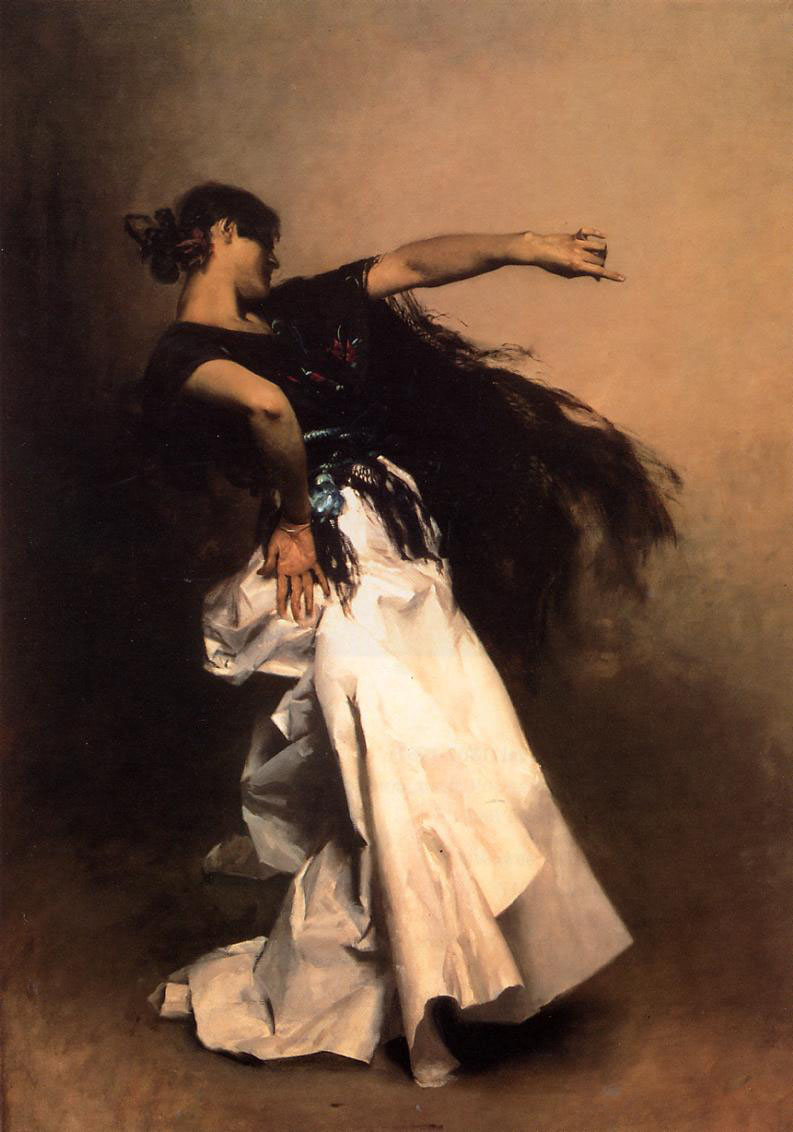 🇪🇸 SpainFlamenco
A southern Spanish art form of rhythmic footwork, singing, and acoustic guitarFolk dance · Solo · Group
🇪🇸 SpainFlamenco
A southern Spanish art form of rhythmic footwork, singing, and acoustic guitarFolk dance · Solo · Group
 🇦🇹 Austria and 5 moreWaltzWalzer
A gliding partner dance in triple time, performed in a turning closed embraceBallroom or Latin dance · Couple · Set or square
🇦🇹 Austria and 5 moreWaltzWalzer
A gliding partner dance in triple time, performed in a turning closed embraceBallroom or Latin dance · Couple · Set or square