'Aparima
A Tahitian hand dance using mimics to tell stories from daily life or myth.
'Aparima is a traditional group dance from Tahiti and the Cook Islands. It relies on hand mimics to narrate tales of daily occupations or ancient myths. The style features two forms: one sung and one silent, often accompanied by guitar or ukulele.
Watch it dancedShare on WhatsApp
- Uses hand mimics to tell stories
- Originates from Tahiti and Cook Islands
- Performed by groups
- Accompanied by guitar or ukulele
- Wears pāreu and maro
What is 'Aparima?
This is a group dance from Tahiti and the Cook Islands. The name means hand mimics. Dancers use their hands to tell stories. These stories come from old myths or daily work. The dance looks like hula or Tongan tau'olunga. It focuses on clear hand movements. Groups perform it together. The style uses simple gestures to convey meaning.
Where does 'Aparima come from?
The dance comes from Tahiti and the Cook Islands. It shares roots with other Polynesian styles. The term kaparima is used in Rarotonga. Sources do not give a specific date for its start. It remains a living tradition in these islands.
How is 'Aparima danced?
Dancers stand or sit while moving their hands. They mimic actions from the story. Two types exist. One involves singing. The other is silent. Silent versions use only music. Seated positions resemble Tongan mā'ulu'ulu. Hand gestures are the main focus. Body movement is secondary.
'Aparima, drawn
The music of 'Aparima
Music supports the hand movements. Guitar and the Tahitian ukulele are common. Sung versions include vocals. Silent versions have no singing. The rhythm guides the hand mimics. The music sets the mood for the story.
Costume and what is carried
Dancers wear a pāreu and maro. This differs from other Tahitian dances. The clothing is traditional. No masks or extra props are mentioned. The attire allows for hand visibility.
When and where 'Aparima is danced
Groups perform this dance. It is done for audiences. Stories guide the performance. Daily life and myths provide themes. Training happens within the community. It is passed down through practice.
Styles of 'Aparima
Two main types exist. The sung version includes vocals. The silent version uses only instruments. Both share the same hand mimic style. Regional differences may exist between Tahiti and the Cook Islands.
What 'Aparima means
The dance preserves oral history. Myths and daily tasks are remembered through movement. It connects dancers to their heritage. References note its presence in Tahiti. It stands as a cultural marker.
Questions people ask about 'Aparima
What does 'aparima mean?
It means hand mimics. Dancers use their hands to act out stories. The stories come from myths or daily work. This makes it a storytelling dance.
Where is 'aparima from?
It comes from Tahiti and the Cook Islands. It is also known as kaparima in Rarotonga. The dance is part of Polynesian culture.
Is 'aparima sung or silent?
Both. One type is sung. The other is silent. Silent versions use only music. Guitar and ukulele provide the sound.
What do dancers wear?
They wear a pāreu and maro. This is different from other Tahitian dances. The clothes allow clear hand movement.
Good reading and sources
- ʻAparima on WikipediaEncyclopedia
- Wikidata recordOpen data
- Videos of 'Aparima on YouTubeSearch results, not chosen by Ghungroo
The facts on this page come from the Wikipedia article "ʻAparima", written by its contributors and used under the CC BY-SA 4.0 licence, and from its Wikidata record (CC0). Ghungroo rewrote the text in its own words, with AI assistance, and compares every page with the article to make sure no passage is copied. It may be reused under the same CC BY-SA 4.0 licence with a link back.
It may contain mistakes, and it describes the dance in outline: it is not a lesson. Traditions differ from one teacher, village or family to the next. If something is wrong, tell us. Last refreshed 2026-10-03.
More from Tonga
All the dances of Tonga 🇼🇸 Samoa and 1 moreTaualuga
A solo ceremonial dance of Samoa, performed by chiefs' children as the finale of celebrations.Folk dance · Solo
🇼🇸 Samoa and 1 moreTaualuga
A solo ceremonial dance of Samoa, performed by chiefs' children as the finale of celebrations.Folk dance · Solo
 🇹🇴 TongaKailao
A Tongan war dance with clubs, originating from Wallis and Futuna.Folk dance · Group
🇹🇴 TongaMako
A fast-paced Tongan dance performed by young men with wild gestures and drum rhythms.Folk dance · Group
🇹🇴 TongaKailao
A Tongan war dance with clubs, originating from Wallis and Futuna.Folk dance · Group
🇹🇴 TongaMako
A fast-paced Tongan dance performed by young men with wild gestures and drum rhythms.Folk dance · Group
Its cousins elsewhere
All folk dances 🇵🇭 PhilippinesTinikling
A Philippine dance where dancers step between moving bamboo polesFolk dance · Group
🇵🇭 PhilippinesTinikling
A Philippine dance where dancers step between moving bamboo polesFolk dance · Group
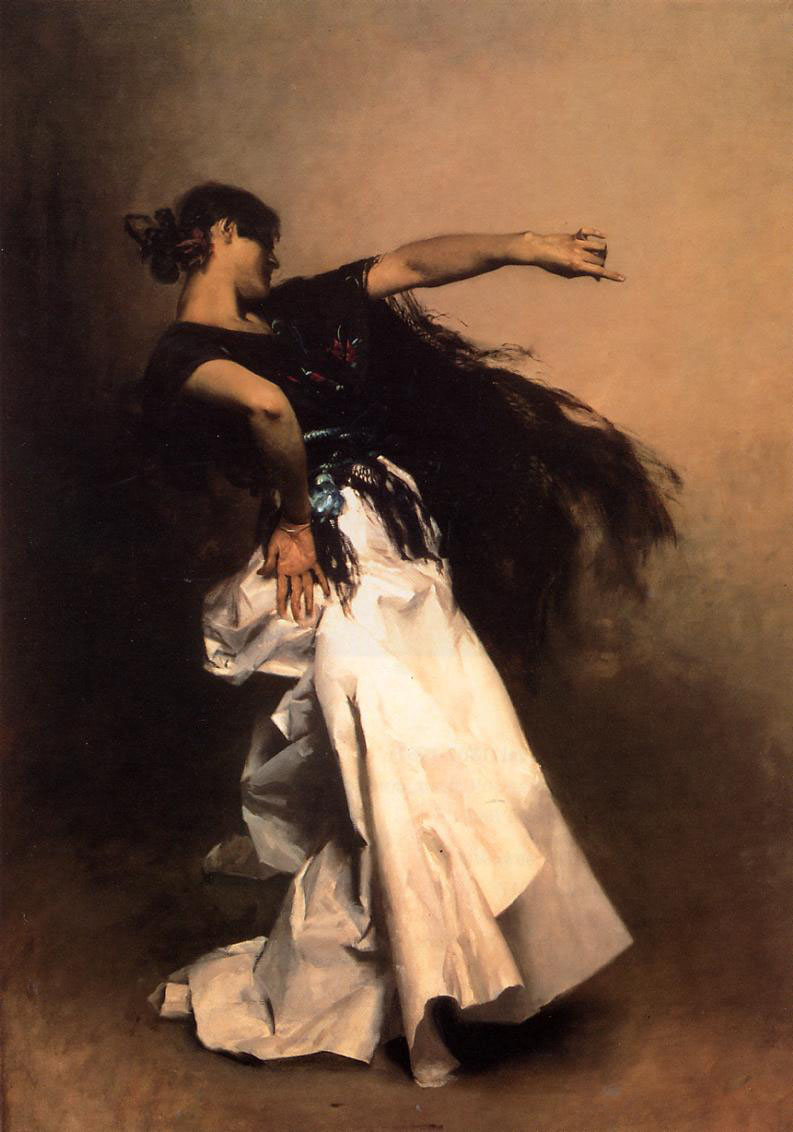 🇪🇸 SpainFlamenco
A dramatic dance and music tradition rooted in Andalusia's gitano and folk culturesFolk dance · Solo · Group
🇪🇸 SpainFlamenco
A dramatic dance and music tradition rooted in Andalusia's gitano and folk culturesFolk dance · Solo · Group
 🇨🇿 Czech Republic and 5 morePolka
A lively partner dance in 2/4 time from 19th-century BohemiaFolk dance · Couple · Circle
🇨🇿 Czech Republic and 5 morePolka
A lively partner dance in 2/4 time from 19th-century BohemiaFolk dance · Couple · Circle
 🇪🇨 EcuadorSanjuanito
A circle dance and music from Ecuador’s Andean highlands, often for Inti RaymiFolk dance · Circle · Group
🇪🇨 EcuadorSanjuanito
A circle dance and music from Ecuador’s Andean highlands, often for Inti RaymiFolk dance · Circle · Group