
Fancy dance
A fast, athletic Native American dance performed at powwows by men and women in colorful regalia.
Fancy dance is a lively, high-energy style of Indigenous performance that emerged on the Southern Plains in the early twentieth century. Dancers move to drum beats with spins, splits, and poses, wearing bright feathered costumes. It began as a way to keep traditions alive after bans and is now a central feature of intertribal gatherings across North America.
Watch it dancedShare on WhatsApp
- Developed by the Ponca tribe in Oklahoma during the 1920s.
- Dancers strike a pose whenever the drum beat stops.
- Women's fancy shawl dance mimics a butterfly emerging.
- Gus McDonald was the first World Champion Fancy War Dancer.
- Banned ceremonies led to the creation of new public dance styles.
What is Fancy dance?
Fancy dance is a spirited solo performance practiced by Indigenous peoples of North America. Men and women take turns showing off their skills in front of a drum circle. The movement is quick and athletic, involving sharp turns, floor touches, and dramatic freezes. Dancers wear bright, heavy costumes that sparkle and sway with every step. The style blends elements of older war dances with new, creative flourishes. It serves as both a cultural expression and a public display of identity.
Where does Fancy dance come from?
The dance developed in the 1920s and 1930s, likely starting with the Ponca tribe in Oklahoma. Leaders banned traditional ceremonies in 1883, so tribes created new forms to hide their practices from authorities. Young dancers in White Eagle, Oklahoma, sped up movements to create this energetic style. Kiowa and Comanche artists added specific costume pieces like bells and feathers. Wild West shows helped spread the dance beyond tribal lands. By the mid-twentieth century, it became a staple of the intertribal powwow circuit.
How is Fancy dance danced?
Dancers move to medium war beats, ruffles, or fast rhythms. The routine requires stamina and strength. Performers execute spins, crouches, and sometimes aerial moves like splits or backflips. A key rule is striking a pose whenever the drum stops. The dancer must match the rhythm perfectly, even when singers change the beat unexpectedly. Men often use twin feather bustles that swing wildly. Women use shawls that mimic a butterfly emerging from a cocoon. The body stays low and agile throughout the performance.
Fancy dance, drawn
The music of Fancy dance
The dance relies entirely on the drum and vocalists. Singers provide various rhythmic patterns called mix-up songs or confusion songs. These include the medium war beat, the ruffle, and the crow hop. The drummers may surprise dancers with sudden stops or extra beats. The vocals are deep and rhythmic, driving the pace of the performance. There are no melodic instruments; the sound comes solely from the drum skin and the human voice.
Costume and what is carried
Men wear brightly colored outfits with fringe and beadwork. Key items include twin feather bustles, a roach headdress with rocking feathers, leggings, and bells near the knees. Some dancers wear Icelandic sheep hair or goatskin. Women perform the fancy shawl dance, wearing elaborate fringed shawls with embroidery. They also wear beaded hairpieces, chokers, earrings, and eagle plumes. Both genders wear decorated moccasins. The costumes are designed to highlight motion and catch the light.


When and where Fancy dance is danced
This dance is performed at powwows, which are community gatherings held across the United States. It started as a way to preserve culture during times of oppression. Today, it is a competitive event where dancers earn prizes and recognition. Professional dancers travel between events to showcase their skills. The dance is passed down through observation and practice within tribal communities. It is open to anyone who learns the steps and prepares the proper regalia.
Styles of Fancy dance
The men's version is the original form, focusing on speed and acrobatics. The women's fancy shawl dance developed later, in the 1940s, and declined before returning in the 1960s. Another related style is the Gombey dance of Bermuda, which shares some Algonquian roots but uses different materials like peacock feathers. Modern dancers often blend old and new costume styles. Some add contemporary athletic moves like cartwheels to the traditional steps.
What Fancy dance means
Fancy dance represents resilience and adaptation for Native American communities. It survived government bans by evolving into a new, public-friendly format. The dance is now a symbol of pan-Indian identity, bringing together people from many different tribes. It has moved from local reservations to global stages. Competitions keep the tradition alive and provide income for dancers. The dance honors ancestors while celebrating current youth energy.
Questions people ask about Fancy dance
Where did fancy dance originate?
It originated in the 1920s and 1930s among the Ponca tribe in Oklahoma. Dancers created it to preserve their culture after traditional ceremonies were banned by authorities.
What makes fancy dance different from other styles?
It is highly athletic and fast-paced. Dancers perform spins, splits, and dramatic poses that match the drum beats. The colorful regalia with feathers and bells enhances the visual effect.
Who performs fancy dance?
Both men and women perform it. Men do the original fast style, while women perform the fancy shawl dance. It is practiced by many Native American tribes today.
When is fancy dance performed?
It is danced at powwows, which are intertribal gatherings. These events happen across North America and serve as festivals, competitions, and cultural celebrations.
What music accompanies the dance?
The dance is accompanied only by drums and singing. Singers use various beats like the war beat or ruffle, sometimes changing rhythms to challenge the dancers.
Good reading and sources
- Fancy dance on WikipediaEncyclopedia
- More photos and video on Wikimedia CommonsPhotos and video
- Wikidata recordOpen data
- Videos of Fancy dance on YouTubeSearch results, not chosen by Ghungroo
The facts on this page come from the Wikipedia article "Fancy dance", written by its contributors and used under the CC BY-SA 4.0 licence, and from its Wikidata record (CC0). Ghungroo rewrote the text in its own words, with AI assistance, and compares every page with the article to make sure no passage is copied. It may be reused under the same CC BY-SA 4.0 licence with a link back.
It may contain mistakes, and it describes the dance in outline: it is not a lesson. Traditions differ from one teacher, village or family to the next. If something is wrong, tell us. Last refreshed 2026-10-03.
More from the United States
All the dances of the United States 🇨🇿 Czech Republic and 5 morePolka
A lively partner dance in 2/4 time from 19th-century BohemiaFolk dance · Couple · Circle
🇨🇿 Czech Republic and 5 morePolka
A lively partner dance in 2/4 time from 19th-century BohemiaFolk dance · Couple · Circle
 🇺🇸 United States and 1 morePowwow
A gathering of Indigenous communities with dance, song, and ceremonyFolk dance · Circle · Group
🇺🇸 United States and 1 morePowwow
A gathering of Indigenous communities with dance, song, and ceremonyFolk dance · Circle · Group
 🇵🇱 Poland and 3 morePolonaisePolonez, chodzony
A stately walking dance in triple time, opening Polish celebrations and ballsFolk dance · Couple · Procession
🇵🇱 Poland and 3 morePolonaisePolonez, chodzony
A stately walking dance in triple time, opening Polish celebrations and ballsFolk dance · Couple · Procession
 🇨🇺 Cuba and 2 moreSalsa
A lively partner dance with spins and footwork, danced to salsa music worldwideSocial dance · Couple · Solo
🇨🇺 Cuba and 2 moreSalsa
A lively partner dance with spins and footwork, danced to salsa music worldwideSocial dance · Couple · Solo
Its cousins elsewhere
All folk dances 🇬🇧 United Kingdom and 5 moreMorris dance
A group folk dance from England, with bells, sticks or handkerchiefsFolk dance · Group · Procession
🇬🇧 United Kingdom and 5 moreMorris dance
A group folk dance from England, with bells, sticks or handkerchiefsFolk dance · Group · Procession
 🇰🇪 Kenya and 1 moreAdumu
A vertical leaping dance performed by Maasai warriors in a circle to show strength and agility.Folk dance · Circle
🇰🇪 Kenya and 1 moreAdumu
A vertical leaping dance performed by Maasai warriors in a circle to show strength and agility.Folk dance · Circle
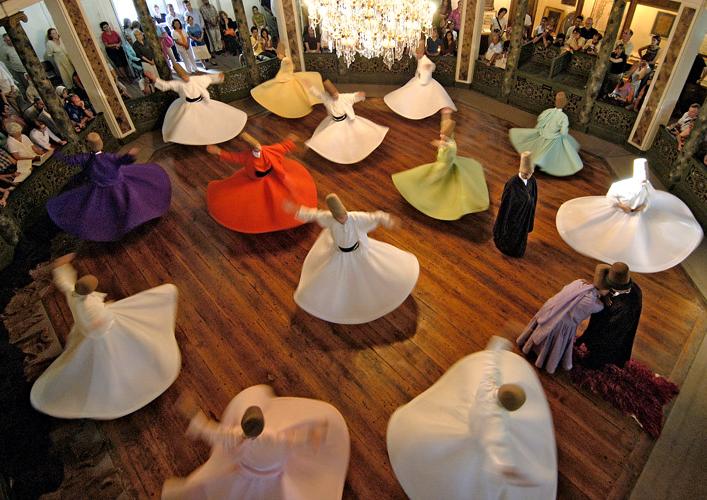 🇹🇷 Turkey and 3 moreSufi whirling
A meditative spinning dance practiced by Sufi dervishes during worship ceremoniesRitual dance · Solo · Group
🇹🇷 Turkey and 3 moreSufi whirling
A meditative spinning dance practiced by Sufi dervishes during worship ceremoniesRitual dance · Solo · Group
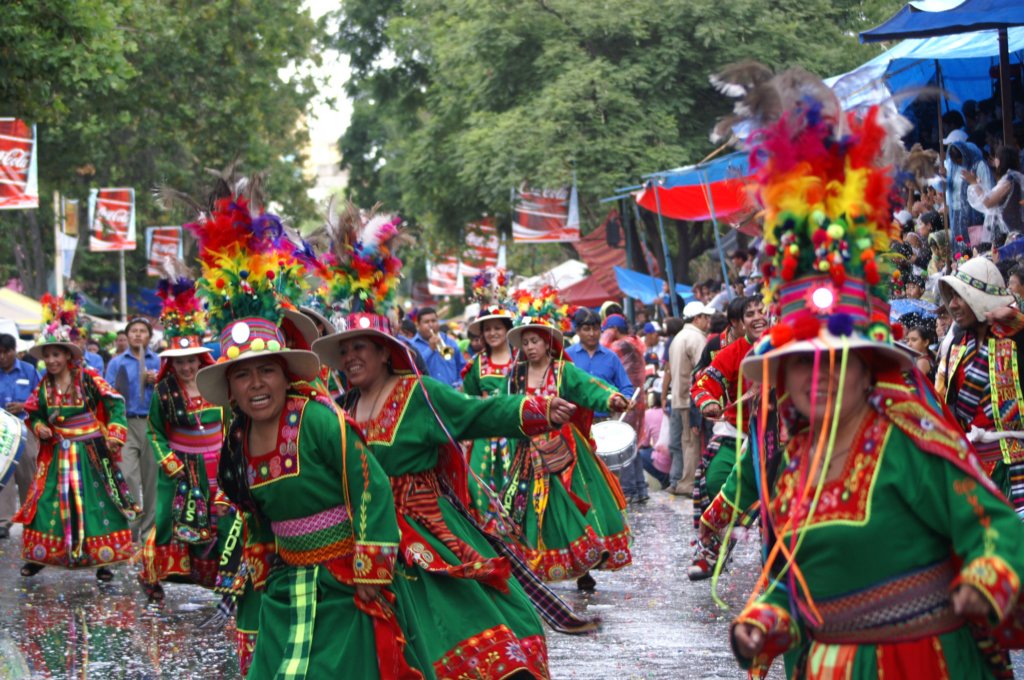 🇧🇴 BoliviaTinku
A Bolivian dance that echoes ritual combat, with bold costumes and warlike rhythmsFolk dance · Circle · Group
🇧🇴 BoliviaTinku
A Bolivian dance that echoes ritual combat, with bold costumes and warlike rhythmsFolk dance · Circle · Group