
Moutya
A rhythmic Seychellois dance of circles and drums that grew from a stigmatized past to UNESCO recognition.
The Moutya is a traditional African dance form from Seychelles. It features dancers moving in a circle to the beat of a single goatskin drum while singing about daily life experiences.
Watch it dancedShare on WhatsApp
- Seychelles successfully registered Moutya with UNESCO in 2021.
- A previous 2019 application was rejected for being incomplete.
- Drums are made from dried goatskin heated over fire.
- Dance speeds up as the drumming becomes faster.
- Songs recount hardships and joys of daily life.
What is Moutya?
The Moutya is a folk dance originating in Seychelles. It resembles the Sega style but includes more suggestive physical movements. Men and women join together in a circle. They move their bodies to the rhythm of a single drum. The performance involves both dancing and vocalizing stories of everyday struggles and happiness.
Where does Moutya come from?
This tradition comes from the African roots of Seychellois culture. For many years, society viewed the dance as inappropriate or risqué. People generally avoided it until the late twentieth century. In two thousand nineteen, officials tried to list it for global heritage protection. That first effort failed due to incomplete paperwork. Success came in two thousand twenty-one when UNESCO finally accepted the application.
How is Moutya danced?
Dancers arrange themselves in a circular formation. They begin with slow steps that match the initial drum beats. As the drummer increases the speed, the movements become faster and more energetic. The choreography allows for expressive and erotic gestures. Participants maintain the rhythm through continuous motion around the circle.
Moutya, drawn
The music of Moutya
A single drum provides the primary musical foundation. Craftsmen make this instrument using dried goatskin. Before the event begins, they heat the skin lightly over a bonfire. This process helps tune the drum for the evening performance. Singers accompany the percussion by chanting lyrics. These songs typically narrate common human experiences.
Costume and what is carried
The sources do not provide specific details regarding attire. Dancers wear clothing suitable for movement and social gathering. No special masks or ceremonial garments are mentioned in the available records.
When and where Moutya is danced
The dance serves as a social activity for the community. It preserves cultural identity and passes traditions to younger generations. Officials believe the UNESCO listing ensures these elements survive. The practice relies on imitation, documentation, and research for transmission. It is performed during evenings when the drum is ready.
Styles of Moutya
The Moutya shares similarities with the Sega dance form. Both styles originate from similar cultural backgrounds. The Moutya distinguishes itself through more pronounced suggestive movements. Regional variations within Seychelles may exist but are not detailed in the sources.
What Moutya means
The dance holds significant value for national identity. It was once stigmatized but is now celebrated as a heritage asset. The UNESCO inscription marks a shift in public perception. It validates the art form and encourages its preservation. The government views this status as crucial for future continuity.
Questions people ask about Moutya
What is the Moutya?
It is a traditional Seychellois folk dance involving a circle of men and women moving to a single drum. It resembles the Sega but features more suggestive movements.
Where does the Moutya come from?
The dance originates in Seychelles. It reflects the African cultural heritage of the islands and has been recognized by UNESCO as intangible cultural heritage since 2021.
How is the music created?
A single drum made of dried goatskin provides the beat. Artisans heat the skin over a bonfire before playing. Singers accompany the rhythm with lyrics about everyday life.
Why was the Moutya controversial?
Until the late 1970s, the dance was considered risqué and inappropriate. Society shunned it due to its suggestive nature. It later gained acceptance as a valued cultural tradition.
Good reading and sources
- Montea on WikipediaEncyclopedia
- More photos and video on Wikimedia CommonsPhotos and video
- Wikidata recordOpen data
- Videos of Moutya on YouTubeSearch results, not chosen by Ghungroo
The facts on this page come from the Wikipedia article "Montea", written by its contributors and used under the CC BY-SA 4.0 licence, and from its Wikidata record (CC0). Ghungroo rewrote the text in its own words, with AI assistance, and compares every page with the article to make sure no passage is copied. It may be reused under the same CC BY-SA 4.0 licence with a link back.
It may contain mistakes, and it describes the dance in outline: it is not a lesson. Traditions differ from one teacher, village or family to the next. If something is wrong, tell us. Last refreshed 2026-10-03.

Its cousins elsewhere
All folk dances 🇬🇧 United Kingdom and 5 moreMorris dance
A group folk dance from England, with bells, sticks or handkerchiefsFolk dance · Group · Procession
🇬🇧 United Kingdom and 5 moreMorris dance
A group folk dance from England, with bells, sticks or handkerchiefsFolk dance · Group · Procession
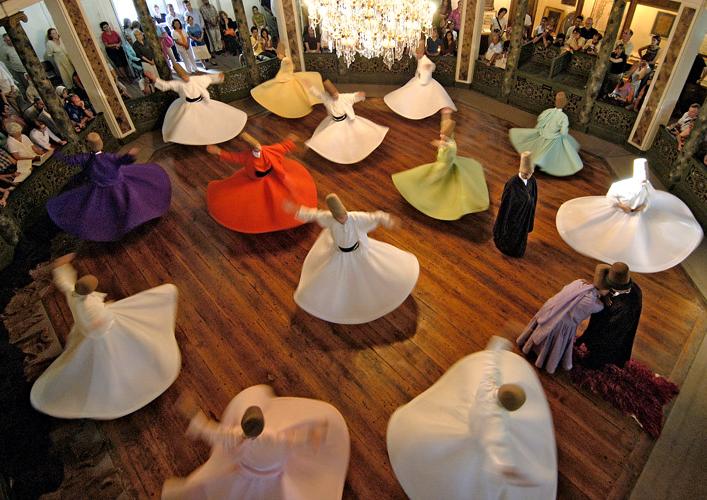 🇹🇷 Turkey and 3 moreSufi whirling
A meditative spinning dance practiced by Sufi dervishes during worship ceremoniesRitual dance · Solo · Group
🇹🇷 Turkey and 3 moreSufi whirling
A meditative spinning dance practiced by Sufi dervishes during worship ceremoniesRitual dance · Solo · Group
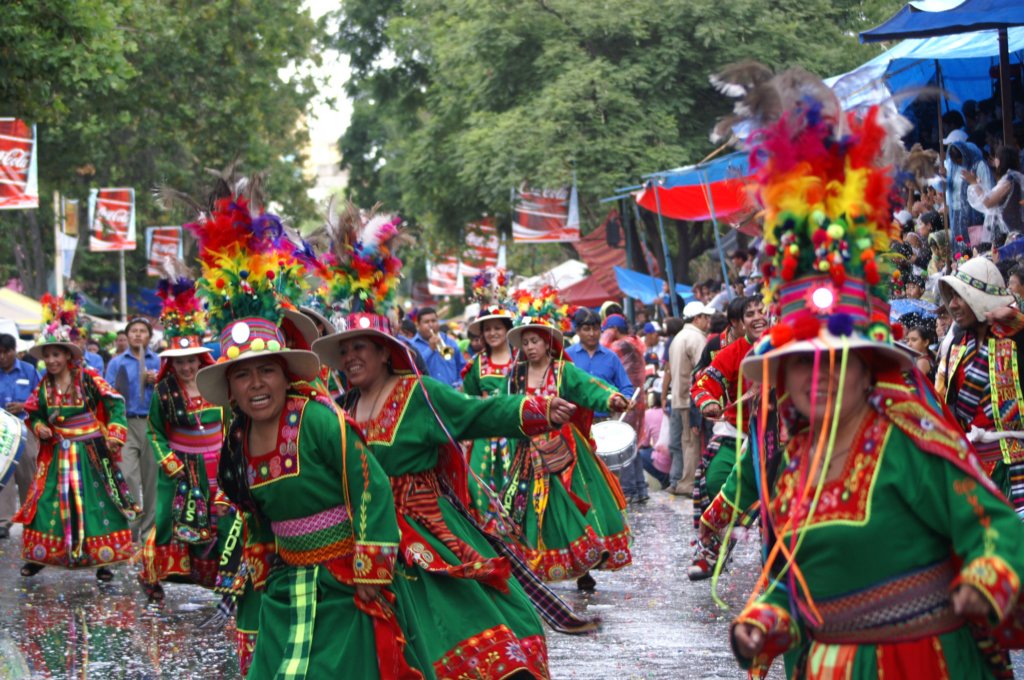 🇧🇴 BoliviaTinku
A Bolivian dance that echoes ritual combat, with bold costumes and warlike rhythmsFolk dance · Circle · Group
🇧🇴 BoliviaTinku
A Bolivian dance that echoes ritual combat, with bold costumes and warlike rhythmsFolk dance · Circle · Group
 🇮🇳 IndiaThabal chongba
A circle dance from Manipur, performed outdoors during the Yaoshang festivalFolk dance · Circle · Group
🇮🇳 IndiaThabal chongba
A circle dance from Manipur, performed outdoors during the Yaoshang festivalFolk dance · Circle · Group