The Mule
A lively 1960s novelty fad rooted in ragtime stride steps
The Mule is a mid-1960s novelty social dance made by instructor Killer Joe Piro to promote a mixed drink. Rooted in an earlier ragtime-era step called the Mule Walk, it pairs vigorous knee lifts and partner interaction with improvised hand flaps and turns.
Watch it dancedShare on WhatsApp
- Created in 1965 by dance instructor Killer Joe Piro to promote a vodka cocktail.
- Adapted from a 1910s step inspired by James P. Johnson's stride piano composition.
- Combines sharp, accented knee lifts with freeform hand flapping and turns.
- The promotional song's lyrics explained how to mix a drink rather than dance steps.
What is The Mule?
The Mule is a partnered novelty fad dance from 1965. Dancers stand opposite each other and execute spirited steps that playfully imitate the walking rhythm of an animal. The routine builds directly upon the Mule Walk, a social step from the early twentieth century. Dancers pump alternating knees up toward the hips while driving their arms downward and thrusting the chest forward with sharp, lively emphasis. After establishing the core walk, partners introduce turns, kicks, and flapping hands while maintaining the steady underlying pulse.
Where does The Mule come from?
Instructor Killer Joe Piro choreographed the dance in 1965 after being commissioned by a vodka brand to support a new cocktail of the same name. Piro based the routine on the Mule Walk, which was fashionable in the 1910s. That earlier dance took its inspiration from a composition by pianist James P. Johnson. Johnson had crafted his piece after observing square dances and rural traditions during his time playing at The Jungles Casino around 1913, later publishing the work in 1938.
How is The Mule danced?
To dance the basic pattern, partners stand straight facing each other with feet set slightly apart. One dancer raises a right hand overhead with a slightly bent elbow, palm turned forward. Lifting the right knee forward to hip height, the dancer drives the right arm downward and leans the chest forward with a sharp, forceful accent. The foot steps down, the body straightens, and the opposite arm and leg repeat the action on the other side. Dancers then branch out into turning around, kicking out their feet, and flapping their hands freely.
The Mule, drawn
The music of The Mule
The dance was historically tied to stride music, a rhythmic keyboard style closely related to ragtime, exemplified by James P. Johnson's compositions. For the 1965 launch, orchestra leader Skitch Henderson recorded a dedicated track. Rather than calling out dance cues, the vocalists on the commercial recording sang step-by-step instructions explaining how to mix the promotional vodka drink.
What The Mule means
Developed as a commercial novelty, the dance was promoted through print advertisements showing Killer Joe Piro and his partner. Decades after its introduction, the original ragtime composition that birthed the foundational step reached new audiences when James P. Johnson's recording appeared on the soundtrack of the 1991 feature film Billy Bathgate.
Questions people ask about The Mule
Where does The Mule dance come from?
Killer Joe Piro created the dance in 1965 for a commercial campaign. He based its choreography on an earlier social step from the 1910s known as the Mule Walk, which was inspired by a ragtime stride composition by James P. Johnson.
Why was The Mule created?
Smirnoff Vodka commissioned the dance to publicize a new mixed drink made of vodka and 7-Up. The company released a special album track by Skitch Henderson and published advertisements featuring Piro to turn the dance into a popular fad.
How is the basic step performed?
Partners face each other and lift alternate knees to hip height while snapping the matching raised arm down and leaning the torso forward. Once dancers master this walking motion, they add spins, kicks, and flapping hands.
What kind of music accompanies the dance?
The original dance was set to stride and ragtime music composed by James P. Johnson. The 1965 version was accompanied by a Skitch Henderson track where the singers described how to mix the cocktail instead of calling dance steps.
Good reading and sources
- Mule (dance) on WikipediaEncyclopedia
- Wikidata recordOpen data
- Videos of The Mule on YouTubeSearch results, not chosen by EveryGhunghroo
The facts on this page come from the Wikipedia article "Mule (dance)", written by its contributors and used under the CC BY-SA 4.0 licence, and from its Wikidata record (CC0). EveryGhunghroo rewrote the text in its own words, with AI assistance, and compares every page with the article to make sure no passage is copied. It may be reused under the same CC BY-SA 4.0 licence with a link back.
It may contain mistakes, and it describes the dance in outline: it is not a lesson. Traditions differ from one teacher, village or family to the next. If something is wrong, tell us. Last refreshed 2026-10-04.
Its cousins elsewhere
All social dances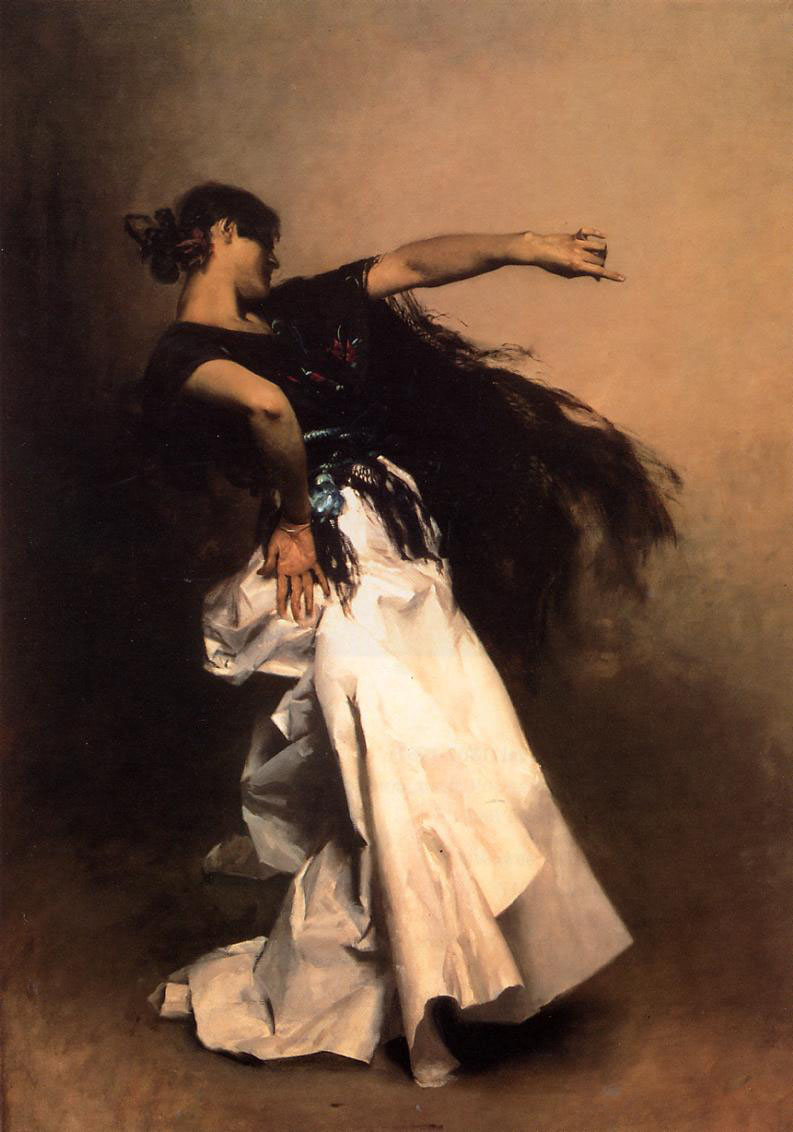 🇪🇸 SpainFlamenco
A southern Spanish art form of rhythmic footwork, singing, and acoustic guitarFolk dance · Solo · Group
🇪🇸 SpainFlamenco
A southern Spanish art form of rhythmic footwork, singing, and acoustic guitarFolk dance · Solo · Group
 🇮🇳 India and 1 moreGarba
A circle dance from Gujarat performed around a clay pot during the Navratri festival.Folk dance · Circle
🇮🇳 India and 1 moreGarba
A circle dance from Gujarat performed around a clay pot during the Navratri festival.Folk dance · Circle
 🇺🇸 United States and 4 morePole dance
A vertical acrobatic dance combining strength and artistry on a chrome or steel column.Social dance · Solo
🇺🇸 United States and 4 morePole dance
A vertical acrobatic dance combining strength and artistry on a chrome or steel column.Social dance · Solo
 🇺🇸 United States and 2 moreSwing dance
A lively group of partner dances born with jazz in 1920s–40s AmericaSocial dance · Couple · Circle
🇺🇸 United States and 2 moreSwing dance
A lively group of partner dances born with jazz in 1920s–40s AmericaSocial dance · Couple · Circle