
Ahwash
In its own language: ⴰⵃⵡⴰⵛ
A Shilha collective dance and song tradition from the Atlas Mountains of Morocco
Ahwash is a communal performance of dance, poetry, and drumming practiced by the Shilha people in southern Morocco. Two large groups, often separated by gender, take turns performing at local festivals to celebrate community life.
Watch it dancedShare on WhatsApp
- Performed by two opposing groups of men and women
- Uses frame drums for rhythm and accompaniment
- Rooted in Shilha and Amazigh cultural identity
- Often held near saints' tombs during moussem festivals
- Rarely performed outside of individual villages
What is Ahwash?
Ahwash is a traditional collective performance from southern Morocco, practiced by the Shilha people. It combines dance, singing, poetry, and percussion into a single event. The performance typically involves two large groups facing each other. These groups alternate their turns, creating a rhythmic dialogue through movement and sound. Participants use frame drums to keep time while others sing or recite verses. The style is deeply rooted in Amazigh culture and serves as a primary method for preserving tribal history and identity.
Where does Ahwash come from?
The exact origins of ahwash are difficult to trace due to a lack of written records. Some historians suggest it may have originated in Telouet before spreading with migrating tribes. Today, the dance is found throughout the High Atlas and Sous regions. Because it is rarely performed outside individual villages, different communities have developed unique variations over time. The tradition is passed down orally and through practice, ensuring its survival across generations without formal notation.
How is Ahwash danced?
Dancers arrange themselves in two opposing lines or blocks, often separating men and women. They perform in unison within their respective groups, alternating performances with the opposite side. The movements are synchronized with the beat of the frame drums. The performance allows participants to enter states of trance and ecstasy. This physical expression facilitates a connection between the dancers and their spirituality, as well as strengthening bonds within the community.
Ahwash, drawn
The music of Ahwash
The musical foundation of ahwash relies on percussion, specifically frame drums played by the performers. Singing and poetry are integral components, with verses often addressing communal experiences or tribal history. While some lyrics reference Islamic traditions, the overall structure reflects pre-Islamic Berber religious elements. The rhythm drives the dance, encouraging participation and emotional release among the crowd.
Costume and what is carried
Specific details about costumes are not provided in the sources. However, the performance requires a significant number of participants, sometimes exceeding one hundred fifty people. The visual impact comes from the scale of the group formation rather than distinct individual attire described in the text.


When and where Ahwash is danced
Ahwash is primarily performed during local festivals to celebrate community cohesion. It also marks important life events such as weddings, births, and harvests. In some areas, the dance takes place near saints' tombs during religious holidays known as moussem. Despite its spiritual nature, some conservative religious views discourage participation, fearing supernatural influences or disrespect toward local saints.
Questions people ask about Ahwash
What is ahwash?
Ahwash is a collective performance style from southern Morocco that includes dance, singing, poetry, and drumming. It is a key part of Shilha and Amazigh cultural identity, usually performed by large groups in opposing formations.
Where does ahwash come from?
It originates in southern Morocco, particularly in the High Atlas and Sous regions. Some believe it started in Telouet before spreading with local tribes, though its exact beginnings are unclear due to limited written history.
When is ahwash danced?
It is danced at local festivals, weddings, births, and harvest celebrations. It is also performed near saints' tombs during religious holidays called moussem, serving as both a social gathering and a spiritual practice.
Who performs ahwash?
Large groups of community members participate, often divided into two sides representing men and women. Performances can involve dozens or even over a hundred people, making it a highly communal activity.
Good reading and sources
- Ahwash on WikipediaEncyclopedia
- More photos and video on Wikimedia CommonsPhotos and video
- Wikidata recordOpen data
- Videos of Ahwash on YouTubeSearch results, not chosen by Ghungroo
The facts on this page come from the Wikipedia article "Ahwash", written by its contributors and used under the CC BY-SA 4.0 licence, and from its Wikidata record (CC0). Ghungroo rewrote the text in its own words, with AI assistance, and compares every page with the article to make sure no passage is copied. It may be reused under the same CC BY-SA 4.0 licence with a link back.
It may contain mistakes, and it describes the dance in outline: it is not a lesson. Traditions differ from one teacher, village or family to the next. If something is wrong, tell us. Last refreshed 2026-10-03.
More from Morocco
All the dances of Morocco 🇲🇦 MoroccoAhidusⴰⵃⵢⴷⵓⵙ (aḥidous)
A Berber circle dance from Morocco, performed by tribes for celebration and unity.Folk dance · Circle · Line or chain
🇲🇦 MoroccoAhidusⴰⵃⵢⴷⵓⵙ (aḥidous)
A Berber circle dance from Morocco, performed by tribes for celebration and unity.Folk dance · Circle · Line or chain
 🇲🇦 MoroccoTaskiwinⵜⴰⵙⴽⵉⵡⵉⵏ / تاسكيوين
A martial dance of Morocco's High Atlas where every man dances with a decorated hornFolk dance · Group
🇲🇦 MoroccoTaskiwinⵜⴰⵙⴽⵉⵡⵉⵏ / تاسكيوين
A martial dance of Morocco's High Atlas where every man dances with a decorated hornFolk dance · Group
 🇲🇦 MoroccoReggadaالرڭادة
A Amazigh war dance from northeastern Morocco using rifles and drums.Folk dance · Group
🇲🇦 MoroccoReggadaالرڭادة
A Amazigh war dance from northeastern Morocco using rifles and drums.Folk dance · Group
Its cousins elsewhere
All folk dances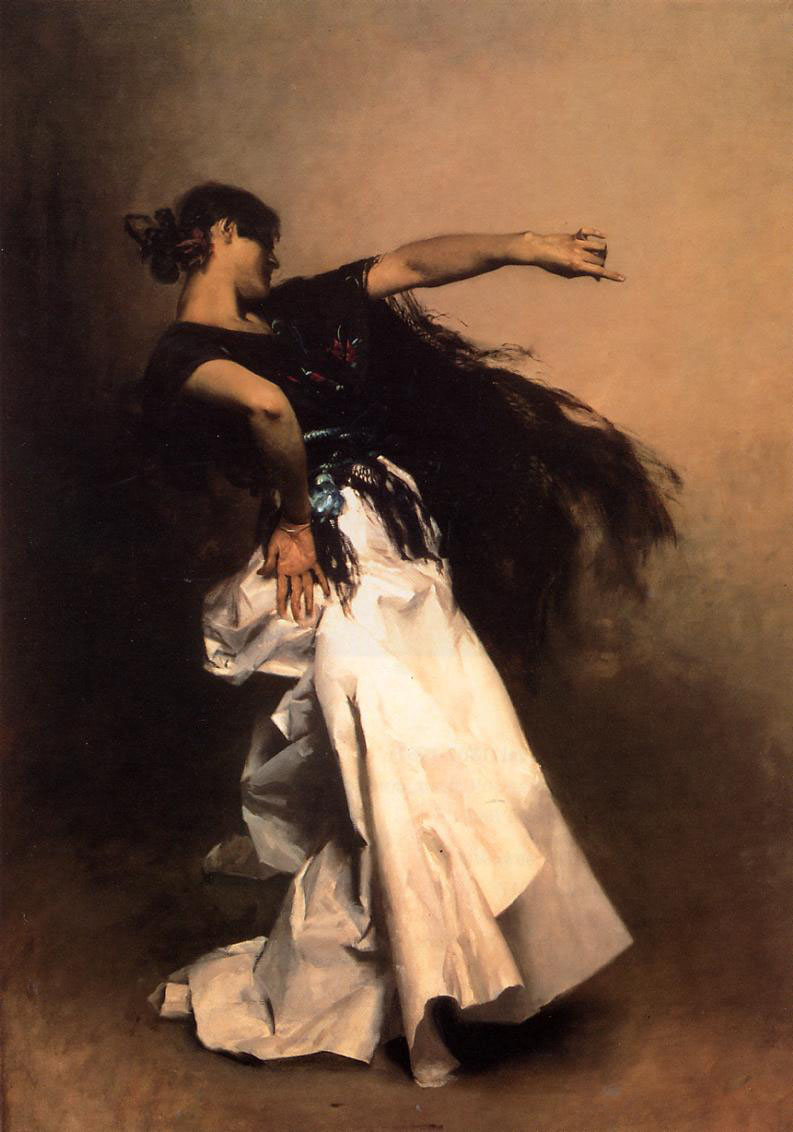 🇪🇸 SpainFlamenco
A dramatic dance and music tradition rooted in Andalusia's gitano and folk culturesFolk dance · Solo · Group
🇪🇸 SpainFlamenco
A dramatic dance and music tradition rooted in Andalusia's gitano and folk culturesFolk dance · Solo · Group
 🇦🇷 Argentina and 1 moreTango
A partner dance from the Río de la Plata, danced in close or open embraceSocial dance · Couple
🇦🇷 Argentina and 1 moreTango
A partner dance from the Río de la Plata, danced in close or open embraceSocial dance · Couple
 🇦🇹 Austria and 4 moreWaltz
A turning couple dance in triple time, first popular in 18th-century EuropeBallroom or Latin dance · Couple
🇦🇹 Austria and 4 moreWaltz
A turning couple dance in triple time, first popular in 18th-century EuropeBallroom or Latin dance · Couple
 🇮🇳 India and 1 moreFolk dance
Traditional group dances rooted in local life and passed down through generationsFolk dance · Group · Circle
🇮🇳 India and 1 moreFolk dance
Traditional group dances rooted in local life and passed down through generationsFolk dance · Group · Circle