Cumbia
A paired folk dance from Colombia's coast, now a pan-Latin American tradition with many regional styles.
Cumbia is a musical rhythm and folk dance that originated on the Caribbean coast of Colombia. It blends African, Indigenous, and Spanish elements, traditionally performed in pairs where the man pursues the woman. The dance spread across Latin America during the twentieth century, adapting to local cultures while keeping its core percussion structure.
Watch it dancedShare on WhatsApp
- Originated on Colombia's Caribbean coast during colonial times.
- Danced in pairs, with the man pursuing the woman.
- Uses drums, flutes, and guacharaca for rhythm.
- Spread across Latin America in the 20th century.
- Has many subgenres like chicha and cumbia villera.
What is Cumbia?
Cumbia is a paired dance and musical style born on the Atlantic coast of Colombia. It mixes African, Indigenous, and European influences brought together during colonial rule. Dancers move in couples, with the man following the woman in an amorous chase. The music features a steady beat driven by drums and flutes, often accompanied by a scraping sound from the guacharaca. Today, it is a major social dance across Latin America, known for its adaptability and widespread popularity.
Where does Cumbia come from?
The dance emerged from the coastal culture of Colombia, shaped by enslaved Africans, Indigenous peoples, and Spanish settlers. It evolved from traditional costeño dances and Spanish folksongs. Over time, it became a symbol of racial blending in the region. While it faced decline in the 1970s due to salsa, it found new life in Central America, Mexico, and Peru, transforming into various subgenres that reflect local tastes.
How is Cumbia danced?
Cumbia is danced in pairs, representing the courtship of a woman by a man. The woman often holds a candle in her right hand, which lights her path and serves as a symbolic defense against the man's advances. The dance has moved from street gatherings to ballroom settings. Steps are simple, focusing on the rhythmic interplay between partners rather than complex footwork, allowing for easy learning and social participation.
Cumbia, drawn
The music of Cumbia
The rhythm relies on three drums: tambora, tambor alegre, and llamador. Flutes include gaita hembra, gaito macho, and flauta de millo. A guacharaca creates a distinctive scratching pattern. Modern versions add brass instruments and piano. The genre maintains a recognizable percussion structure even as it incorporates local instruments and rhythms in different countries.
Costume and what is carried
Traditional dancers may wear simple clothing suitable for street dancing. In some Colombian traditions, women hold candles during performance. There are no specific masks or elaborate costumes mentioned, but the dance has been stylized and orchestrated since the 1950s, influencing how it is presented in formal settings.
When and where Cumbia is danced
Cumbia is danced socially at gatherings and performed on stages. It began as a street dance but also appears in ballroom contexts. Communities pass down the dance through migration and media. It is especially popular in urban areas of Mexico and Peru, where it connects generations and reflects local identity.
Styles of Cumbia
Many regional styles exist, including Mexican cumbia, Peruvian chicha, Panamanian cumbia, and Argentine cumbia villera. Each version adapts the original Colombian form to local instruments and tastes. Subgenres like tecnocumbia and cumbia sonidera show how the dance continues to evolve with modern influences.
What Cumbia means
Cumbia represents the harmonious blend of races in Latin America. It helped change public views on mestizo working classes in some regions, though it remains stigmatized in parts of Argentina. The dance is a key part of popular culture, appearing in film and music, and serving as a bridge between communities across borders.
Questions people ask about Cumbia
Where did cumbia come from?
It originated on the Caribbean coast of Colombia, blending African, Indigenous, and Spanish cultural elements from colonial times.
How is cumbia danced?
It is danced in pairs, with the man following the woman in a courtship pattern. Women sometimes hold candles to light their way and symbolically defend themselves.
What instruments play cumbia?
Traditional instruments include tambora, tambor alegre, llamador, gaitas, flauta de millo, and guacharaca. Brass and piano are also common.
Is cumbia only Colombian?
No. It spread throughout Latin America, becoming a major genre in Mexico, Peru, Panama, and Argentina, with many regional variations.
When is cumbia danced?
It is danced socially at gatherings and performed on stages. It gained popularity in urban areas during the 20th century and remains a staple of Latin American nightlife.
Good reading and sources
- Cumbia on WikipediaEncyclopedia
- Wikidata recordOpen data
- Videos of Cumbia on YouTubeSearch results, not chosen by Ghungroo
The facts on this page come from the Wikipedia article "Cumbia", written by its contributors and used under the CC BY-SA 4.0 licence, and from its Wikidata record (CC0). Ghungroo rewrote the text in its own words, with AI assistance, and compares every page with the article to make sure no passage is copied. It may be reused under the same CC BY-SA 4.0 licence with a link back.
It may contain mistakes, and it describes the dance in outline: it is not a lesson. Traditions differ from one teacher, village or family to the next. If something is wrong, tell us. Last refreshed 2026-10-03.
More from Colombia
All the dances of Colombia 🇨🇺 Cuba and 2 moreSalsa
A lively partner dance with spins and footwork, danced to salsa music worldwideSocial dance · Couple · Solo
🇨🇺 Cuba and 2 moreSalsa
A lively partner dance with spins and footwork, danced to salsa music worldwideSocial dance · Couple · Solo
 🇪🇸 Spain and 5 morePasodoble
A dramatic Spanish partner dance set to march-like music, echoing the bullfightFolk dance · Couple · Group
🇪🇸 Spain and 5 morePasodoble
A dramatic Spanish partner dance set to march-like music, echoing the bullfightFolk dance · Couple · Group
 🇨🇴 Colombia and 1 moreCumbia
A circle dance from Colombia’s Caribbean coast, led by couples with candles and musicians in the centerFolk dance · Couple · Circle
🇨🇴 Colombia and 1 moreCumbia
A circle dance from Colombia’s Caribbean coast, led by couples with candles and musicians in the centerFolk dance · Couple · Circle
 🇻🇪 Venezuela and 1 moreJoropo
A fast-paced partner dance of the plains, featuring vigorous footwork and string instruments.Folk dance · Couple
🇻🇪 Venezuela and 1 moreJoropo
A fast-paced partner dance of the plains, featuring vigorous footwork and string instruments.Folk dance · Couple
Its cousins elsewhere
All folk dances 🇩🇴 Dominican Republic and 5 moreMerengue
A fast-paced partner dance from the Dominican Republic played with accordion and drums.Folk dance · Couple
🇩🇴 Dominican Republic and 5 moreMerengue
A fast-paced partner dance from the Dominican Republic played with accordion and drums.Folk dance · Couple
 🇨🇺 CubaTumba francesa
A drum and dance tradition in eastern Cuba with roots in HaitiFolk dance
🇨🇺 CubaTumba francesa
A drum and dance tradition in eastern Cuba with roots in HaitiFolk dance
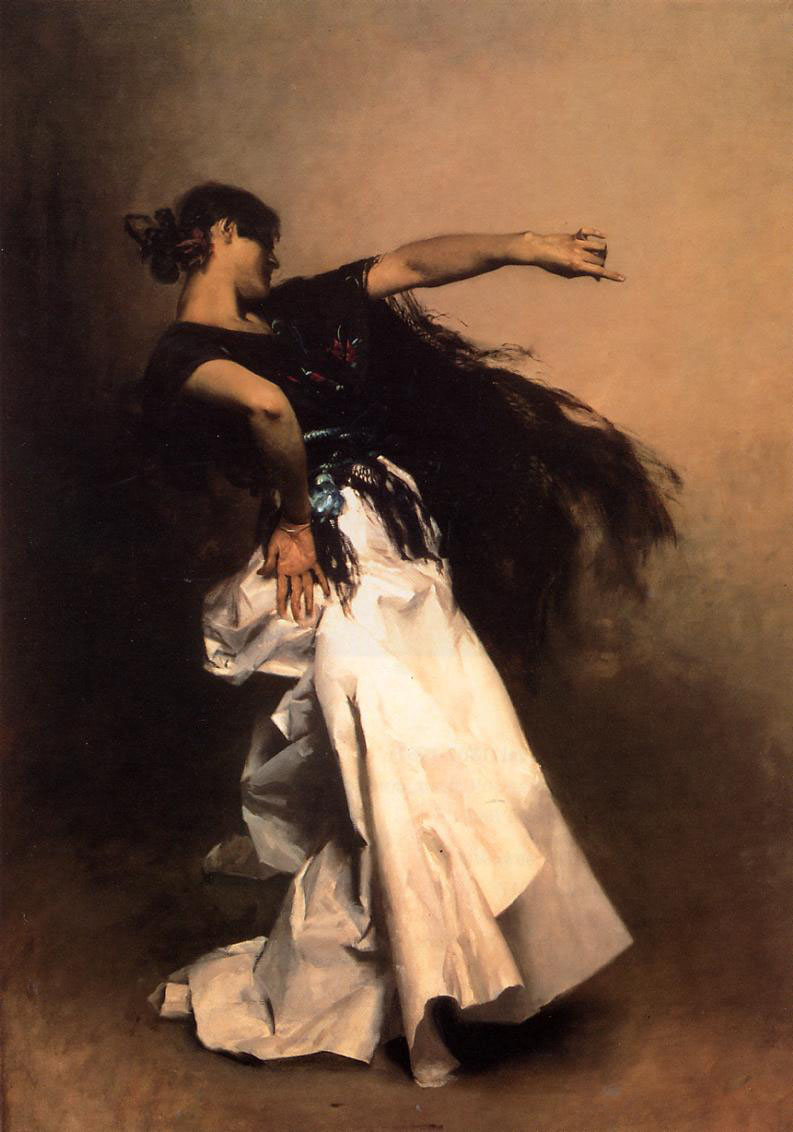 🇪🇸 SpainFlamenco
A dramatic dance and music tradition rooted in Andalusia's gitano and folk culturesFolk dance · Solo · Group
🇪🇸 SpainFlamenco
A dramatic dance and music tradition rooted in Andalusia's gitano and folk culturesFolk dance · Solo · Group
 🇦🇹 Austria and 4 moreWaltz
A turning couple dance in triple time, first popular in 18th-century EuropeBallroom or Latin dance · Couple
🇦🇹 Austria and 4 moreWaltz
A turning couple dance in triple time, first popular in 18th-century EuropeBallroom or Latin dance · Couple