
Pasodoble
A dramatic Spanish partner dance set to march-like music, echoing the bullfight
Pasodoble is a Spanish partner dance and musical form, known for its fast, march-like rhythm and dramatic style. Originating from military marches, it is now danced at festivals, social gatherings, and competitions in Spain and many Hispanic countries, often evoking the atmosphere of the bullfight.
Watch it dancedShare on WhatsApp
- Pasodoble began as a Spanish military march in the 18th century.
- It is closely linked to bullfighting and Spanish festivals.
- The dance is performed by couples in a parallel hold.
- Ballroom pasodoble is one of the fastest Latin dances.
- Each region has its own style and famous pasodobles.
What is Pasodoble?
Pasodoble is a Spanish dance performed by couples, marked by a strong, march-like rhythm and dramatic movements. The dancers often take on roles inspired by the bullfight, with the leader as the matador and the partner as the cape or shadow. It is danced in a close, parallel hold, with one step per beat, and allows for expressive gestures and poses. The music is lively and bold, and the dance is seen at festivals, social events, and in ballroom competitions.
Where does Pasodoble come from?
Pasodoble began as a military march for Spanish infantry, with scores dating back to 1780. Its name refers to the double-time pace of the march. Over time, it moved from the parade ground to the theatre, becoming part of Spanish popular entertainment and later associated with bullfighting. Some suggest French influence, but early Spanish sources and music predate French military forms. Regional styles developed as the dance spread to Hispanic countries, each adapting the form to local traditions.
How is Pasodoble danced?
The dance is performed by a couple, always facing each other and keeping their bodies parallel. The leader's left hand and the follower's right hand remain joined, while the other arms are used for dramatic effect. The dancers lean slightly to the left and step in time with the music, one step per beat. The choreography is open, allowing for improvisation and theatrical flourishes, often mimicking the drama of a bullfight.
Pasodoble, drawn
The music of Pasodoble
Pasodoble music is in a quick duple meter, usually 2/4, and follows a binary structure with a strong introduction, a main section, and a powerful trio. It may be played by a full marching band or smaller ensembles, sometimes with singing. The style varies: some pieces are purely instrumental, while others have lyrics. The music is closely linked to Spanish festivals, bullfights, and parades, and is often lively and stirring.
Costume and what is carried
There is no single traditional costume for pasodoble, but performers often wear outfits inspired by bullfighting or Spanish regional dress, especially in theatrical or ballroom settings. The leader may dress as a matador, while the partner's costume can evoke the matador's cape. In social settings, dancers wear regular festive or formal clothing.


When and where Pasodoble is danced
Pasodoble is danced at festivals, parades, weddings, and social gatherings, especially in Spain and Latin America. In Spain, it is closely tied to the Fallas and Moors and Christians festivals, and is a highlight of bullfighting events. Ballroom versions are performed in competitions worldwide. The dance is also kept alive by student music groups called tunas, who play and sing pasodobles in public spaces.
Styles of Pasodoble
There are several types of pasodoble: military (march), taurine (bullfight), popular (social), band (parade), and display (theatrical). Each region, including Mexico, Puerto Rico, and Colombia, has developed its own style and famous tunes. Ballroom pasodoble, especially outside Spain, is highly choreographed and competitive, while in Spain and Latin America, it is often danced socially and with more improvisation.
What Pasodoble means
Pasodoble is a symbol of Spanish identity and is recognized for its connection to bullfighting and public celebrations. It is a staple of festivals and is honored with tunes named after famous bullfighters or local heroes. The dance has spread across Hispanic countries, adapting to local cultures, and remains popular in both social and competitive dance scenes.
Questions people ask about Pasodoble
Where does pasodoble come from?
Pasodoble originated in Spain as a military march in the 18th century and later became a partner dance and musical genre, spreading to other Hispanic countries.
When is pasodoble danced?
It is danced at festivals, weddings, social gatherings, and competitions, especially during Spanish celebrations like the Fallas and Moors and Christians festivals.
What does pasodoble look like?
The dance is performed by a couple in a parallel hold, with dramatic steps and poses that often evoke the style of a bullfight.
Is pasodoble only danced in Spain?
No, pasodoble is also popular in countries like Mexico, Colombia, Puerto Rico, Venezuela, and France, each with their own versions.
What music is used for pasodoble?
Pasodoble music is a fast march in 2/4 time, often played by bands or small ensembles, and may be instrumental or include singing.
Good reading and sources
- Pasodoble on WikipediaEncyclopedia
- More photos and video on Wikimedia CommonsPhotos and video
- Wikidata recordOpen data
- Videos of Pasodoble on YouTubeSearch results, not chosen by Ghungroo
The facts on this page come from the Wikipedia article "Pasodoble", written by its contributors and used under the CC BY-SA 4.0 licence, and from its Wikidata record (CC0). Ghungroo rewrote the text in its own words, with AI assistance, and compares every page with the article to make sure no passage is copied. It may be reused under the same CC BY-SA 4.0 licence with a link back.
It may contain mistakes, and it describes the dance in outline: it is not a lesson. Traditions differ from one teacher, village or family to the next. If something is wrong, tell us. Last refreshed 2026-10-03.
More from Spain
All the dances of Spain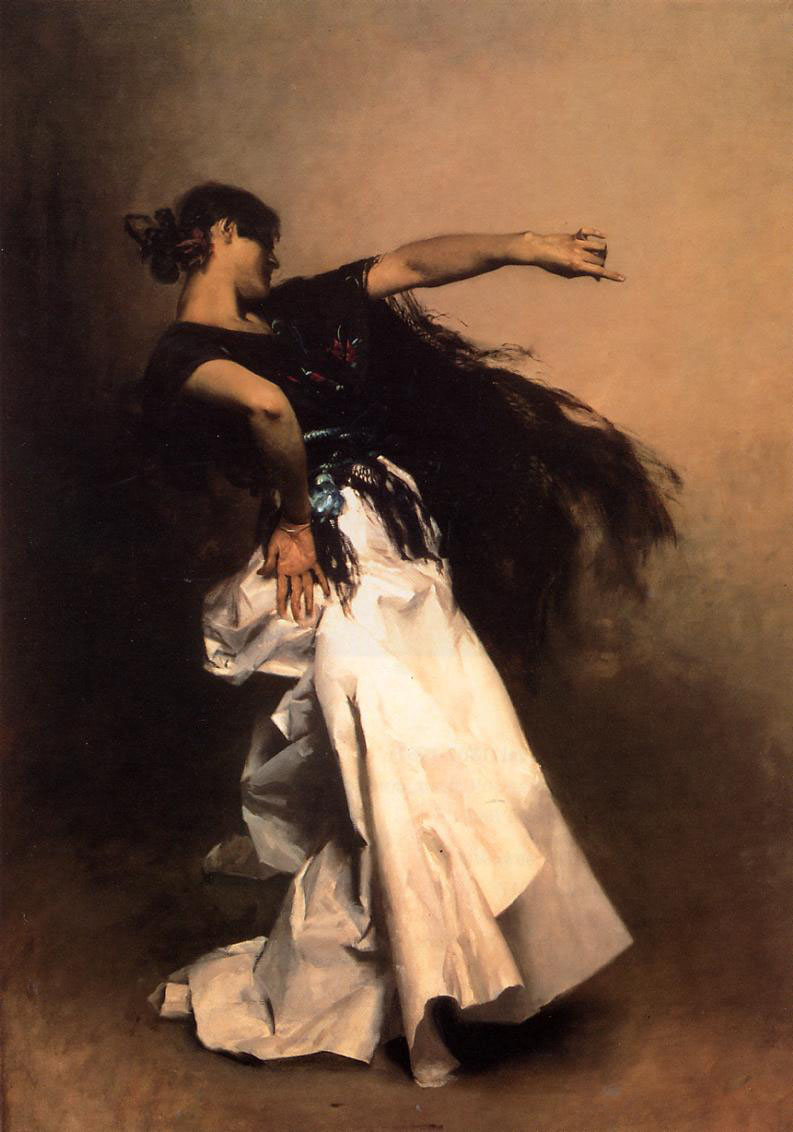 🇪🇸 SpainFlamenco
A dramatic dance and music tradition rooted in Andalusia's gitano and folk culturesFolk dance · Solo · Group
🇪🇸 SpainFlamenco
A dramatic dance and music tradition rooted in Andalusia's gitano and folk culturesFolk dance · Solo · Group
 🇧🇪 Belgium and 5 moreProcessional giant
Huge costumed figures carried and danced in European street processionsFolk dance · Solo · Procession
🇧🇪 Belgium and 5 moreProcessional giant
Huge costumed figures carried and danced in European street processionsFolk dance · Solo · Procession
 🇪🇸 Spain and 4 moreFandango
A lively Spanish partner dance in triple meter, accompanied by guitars and castanets.Folk dance · Couple · Group
🇪🇸 Spain and 4 moreFandango
A lively Spanish partner dance in triple meter, accompanied by guitars and castanets.Folk dance · Couple · Group
 🇪🇸 SpainSardana
A circle dance from Catalonia, open to all who know its stepsFolk dance · Circle · Group
🇪🇸 SpainSardana
A circle dance from Catalonia, open to all who know its stepsFolk dance · Circle · Group
Its cousins elsewhere
All folk dances 🇺🇸 United States and 2 moreContra dance
A social line dance for pairs, led by a caller and set to live folk tunesFolk dance · Couple · Line or chain
🇺🇸 United States and 2 moreContra dance
A social line dance for pairs, led by a caller and set to live folk tunesFolk dance · Couple · Line or chain
 🇦🇷 Argentina and 1 moreChacarera
A partner dance with foot stomping and handkerchiefs from rural ArgentinaFolk dance · Couple · Group
🇦🇷 Argentina and 1 moreChacarera
A partner dance with foot stomping and handkerchiefs from rural ArgentinaFolk dance · Couple · Group
 🇻🇪 Venezuela and 1 moreJoropo
A fast-paced partner dance of the plains, featuring vigorous footwork and string instruments.Folk dance · Couple
🇻🇪 Venezuela and 1 moreJoropo
A fast-paced partner dance of the plains, featuring vigorous footwork and string instruments.Folk dance · Couple
 🇲🇽 MexicoJarabe Tapatío
A courtship dance from Jalisco, now Mexico’s national danceFolk dance · Couple · Group
🇲🇽 MexicoJarabe Tapatío
A courtship dance from Jalisco, now Mexico’s national danceFolk dance · Couple · Group