
Eskista
In its own language: እስክስታ
A shoulder dance with sharp upper body movements from Ethiopia’s Amhara people
Eskista is a traditional dance of the Amhara people in Ethiopia, known for its rapid, rhythmic shoulder and upper body movements. Danced by people of all ages at weddings and celebrations, it is performed to traditional Amhara music and sometimes appears in modern music videos. The dance is both a display of technical skill and a way to bring communities together.
Watch it dancedShare on WhatsApp
- Eskista features rapid, rhythmic shoulder movements
- Danced by men, women, and children at weddings and festivals
- Spectators reward dancers by sticking money on their foreheads
- It is rooted in Amhara culture but now seen across Ethiopia
- Modern music videos sometimes feature eskista moves
What is Eskista?
Eskista is a dance from Ethiopia’s Amhara people, marked by sharp, quick movements of the shoulders, chest, neck, and head. Both men and women, as well as children, take part. The dance can be performed solo or in a group, often at festive gatherings. It is known for its technical demands and the way dancers isolate and move different parts of the upper body in rhythmic patterns. Eskista is lively and expressive, with dancers sometimes competing for the admiration of the crowd.
Where does Eskista come from?
Eskista began with the Amhara ethnic group in Ethiopia and is tied to the daily life and experiences of farmers in the Amhara Highlands. Over time, the dance spread widely across Ethiopia, influenced by the reach of the Amhara people. There are regional and stylistic varieties, each with its own history. Eskista is related to dances of neighboring groups, such as the shimshim of the Tigrayan-Tigrinya and the Beja Hadendoa. Today, it is recognized and celebrated both in Ethiopia and internationally.
How is Eskista danced?
The dance centers on rapid, rhythmic movements of the shoulders, with the chest, neck, and head also moving in coordinated patterns. Dancers often isolate one part of the upper body at a time, creating sharp, rolling, or vibrating effects. The movements can be complex and require control and precision. Eskista may be danced alone or with others, sometimes as a friendly competition. The group version often features dancers moving in unison or responding to each other’s moves.
Eskista, drawn
The music of Eskista
Eskista is usually performed to traditional Amhara music, which sets a fast and lively tempo. While the dance is rooted in folk music, it is also adapted to modern Ethiopian songs, especially in music videos. The sources do not specify the instruments, but the rhythm is central, guiding the dancers’ movements. The music and dance together create an energetic and engaging atmosphere.
When and where Eskista is danced
Eskista is a common feature at weddings, festivals, and social gatherings among the Amhara and across Ethiopia. It is open to all ages and genders. During performances, it is customary for spectators to reward outstanding dancers by sticking money (shilimat) to their foreheads, making the event interactive and festive. The dance is passed down through participation at community events and celebrations.
Styles of Eskista
There are many regional and rhythmic styles of eskista, each with unique origins and patterns. While most forms are based on the experiences of Amhara farmers, the dance also shows influences from neighboring groups. Modern versions of eskista appear in Ethiopian pop culture, especially in music videos, blending traditional movements with new musical styles.
What Eskista means
Eskista is both an art form and a way for communities to connect and celebrate. The tradition of awarding money to skilled dancers highlights its role in social bonding. Its spread beyond Ethiopia and appearance in global media reflect its growing popularity. Eskista remains a symbol of Amhara identity and is cherished as a living tradition.
Questions people ask about Eskista
Where does eskista come from?
Eskista originated with the Amhara people in Ethiopia and is now danced across the country.
Who can dance eskista?
Men, women, and children all take part in eskista, either solo or in groups, at social gatherings.
When is eskista performed?
Eskista is commonly seen at weddings, festivals, and other celebrations among the Amhara and in Ethiopia.
What makes eskista unique?
Eskista is known for its fast, complex movements of the shoulders, chest, neck, and head.
How are dancers recognized during eskista?
Spectators often show appreciation by sticking money, called shilimat, onto the dancer’s forehead.
Good reading and sources
- Eskista on WikipediaEncyclopedia
- More photos and video on Wikimedia CommonsPhotos and video
- Wikidata recordOpen data
- Videos of Eskista on YouTubeSearch results, not chosen by Ghungroo
The facts on this page come from the Wikipedia article "Eskista", written by its contributors and used under the CC BY-SA 4.0 licence, and from its Wikidata record (CC0). Ghungroo rewrote the text in its own words, with AI assistance, and compares every page with the article to make sure no passage is copied. It may be reused under the same CC BY-SA 4.0 licence with a link back.
It may contain mistakes, and it describes the dance in outline: it is not a lesson. Traditions differ from one teacher, village or family to the next. If something is wrong, tell us. Last refreshed 2026-10-03.
Its cousins elsewhere
All folk dances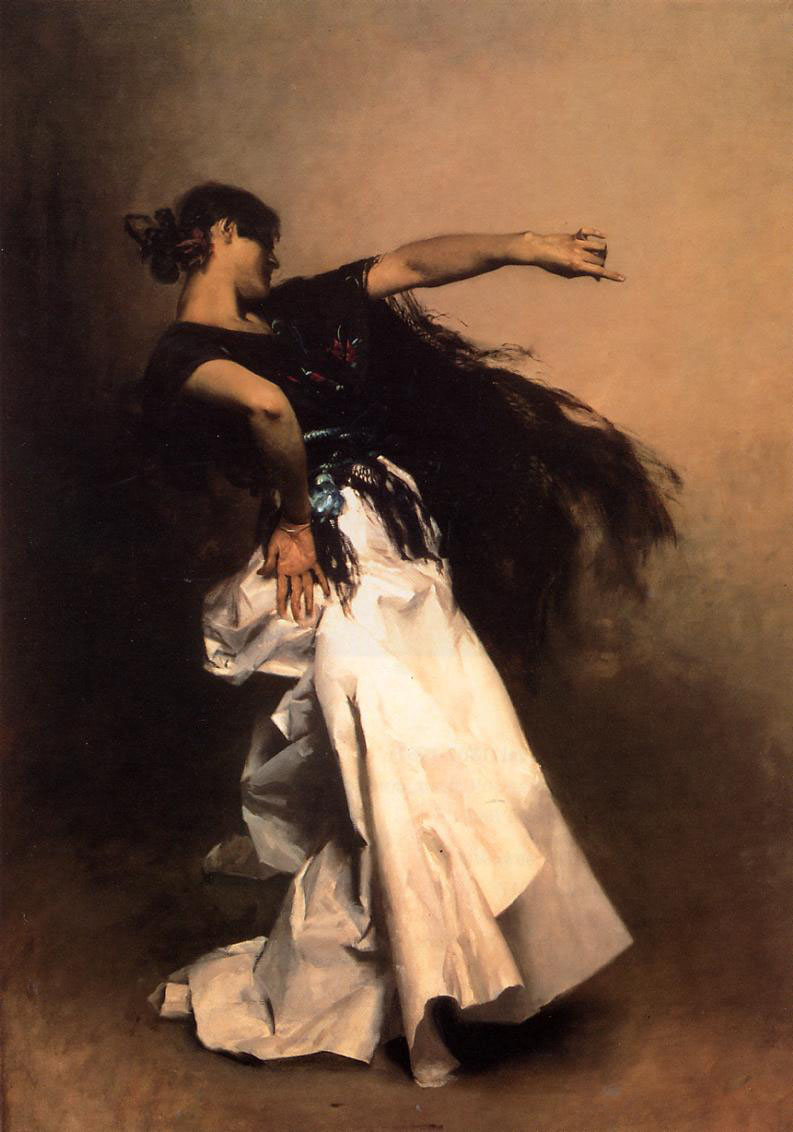 🇪🇸 SpainFlamenco
A dramatic dance and music tradition rooted in Andalusia's gitano and folk culturesFolk dance · Solo · Group
🇪🇸 SpainFlamenco
A dramatic dance and music tradition rooted in Andalusia's gitano and folk culturesFolk dance · Solo · Group
 🇦🇷 Argentina and 1 moreTango
A partner dance from the Río de la Plata, danced in close or open embraceSocial dance · Couple
🇦🇷 Argentina and 1 moreTango
A partner dance from the Río de la Plata, danced in close or open embraceSocial dance · Couple
 🇦🇹 Austria and 4 moreWaltz
A turning couple dance in triple time, first popular in 18th-century EuropeBallroom or Latin dance · Couple
🇦🇹 Austria and 4 moreWaltz
A turning couple dance in triple time, first popular in 18th-century EuropeBallroom or Latin dance · Couple
 🇮🇳 India and 1 moreFolk dance
Traditional group dances rooted in local life and passed down through generationsFolk dance · Group · Circle
🇮🇳 India and 1 moreFolk dance
Traditional group dances rooted in local life and passed down through generationsFolk dance · Group · Circle