
Hula
A Hawaiian dance that interprets song or chant through movement and gesture
Hula is a dance from the Hawaiian Islands, created by Native Hawaiians to express the words of songs or chants through movement. It includes both ancient forms, performed to chant and traditional instruments, and modern forms, accompanied by song and Western instruments. Hula is danced by both men and women, often at ceremonies, festivals, and performances.
Watch it dancedShare on WhatsApp
- Hula interprets song or chant through movement and gesture
- Ancient hula is performed to chant and traditional percussion
- Modern hula uses Western instruments like guitar and ʻukulele
- Dancers may perform standing or sitting
- Hula is taught in dedicated schools called hālau hula
What is Hula?
Hula is a dance form from Hawaiʻi where movement and gesture bring to life the words of a song or chant. Both men and women perform hula, either standing or sitting, alone or in groups. The dance uses expressive hand motions to show ideas from nature, emotion, or story, while the feet and hips follow set steps. Hula is unique to Hawaiʻi and is central to Native Hawaiian culture.
Where does Hula come from?
Hula developed in the Hawaiian Islands among Native Hawaiians, who used it to portray stories, history, and beliefs through movement. Ancient hula, called kahiko, was performed before Western contact and often honored chiefs or deities. The arrival of Westerners in the 19th century brought changes, leading to new styles and the use of Western instruments. Hula faced decline after Americanization and bans on Hawaiian language, but a cultural revival from the late 1960s onward has restored its practice and prestige.
How is Hula danced?
Hula dancers use a wide range of hand gestures to illustrate the meaning of the accompanying chant or song, such as mimicking waves, trees, or feelings. The dance includes basic steps like kāholo, kaʻo, and ʻami, with coordinated hip and footwork. Dancers may perform standing (luna) or sitting (noho), and some dances combine both. The group may move in unison or feature soloists, depending on the style.
Hula, drawn
The music of Hula
Ancient hula is accompanied by chant (oli) and traditional percussion instruments, such as the ipu (gourd drum), pahu (sharkskin drum), and others. Modern hula uses song and Western instruments like the guitar and ʻukulele. Chants vary in style and function, from prayers to genealogies, and are delivered in distinct vocal techniques. The music shapes the mood and rhythm of the dance.
Costume and what is carried
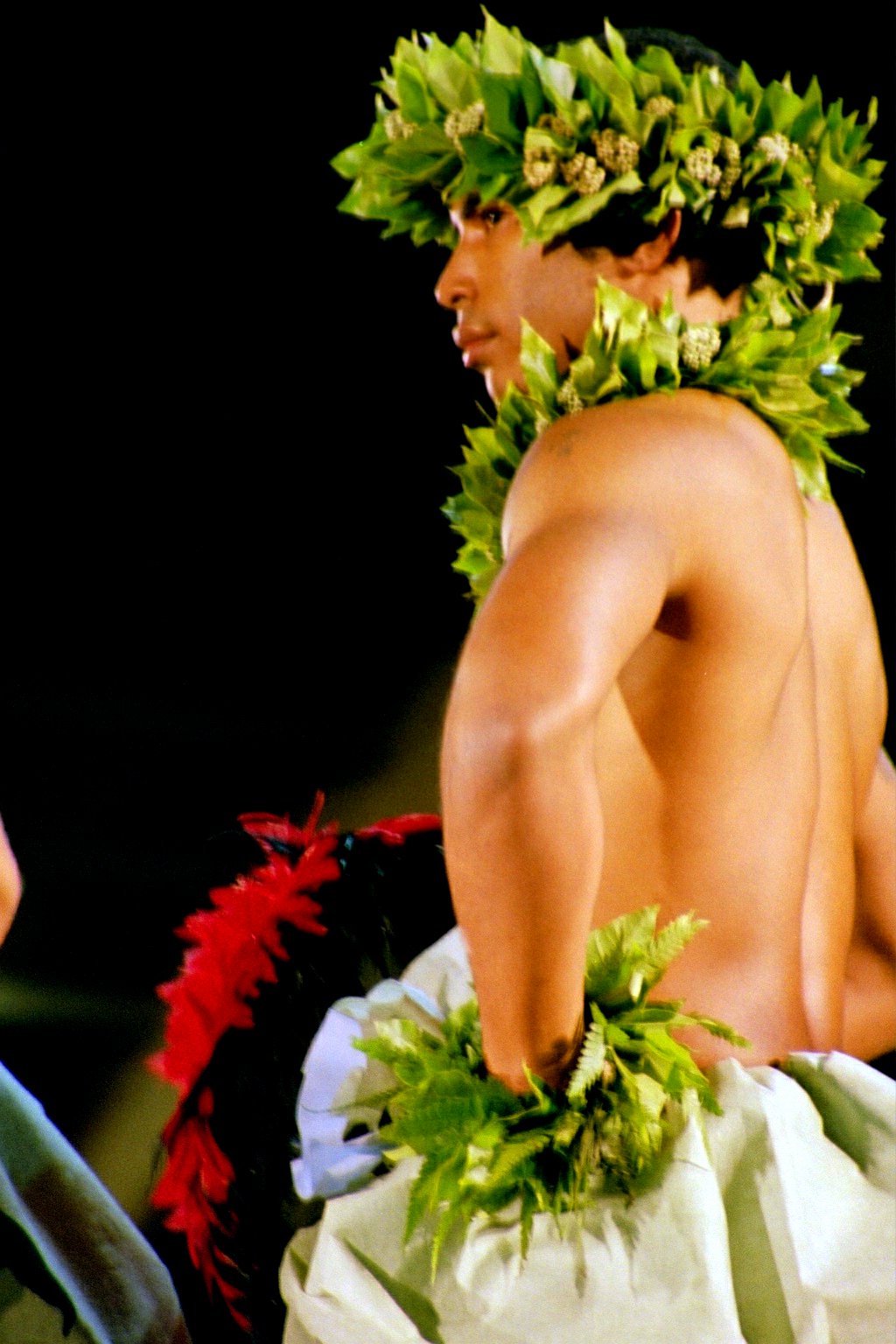
Traditional female dancers wear a pāʻū, a wrapped skirt, sometimes with a layer of green kī leaves, and adorn themselves with lei on the head, neck, wrists, and ankles. Male dancers wear a malo, or loincloth, and may also wear anklets. Costumes can be elaborate for ceremony or simpler for practice. Decorations are often made from plants sacred to the hula tradition.



When and where Hula is danced
Hula is performed at religious ceremonies, festivals, and public performances. Some dances are sacred and dedicated to Hawaiian gods or goddesses, with strict protocols and rituals for learning and performing. Hula is taught in hālau hula (schools), where students learn from a kumu (teacher) and follow traditional practices, including chanting for permission to enter the space.
Styles of Hula
There are many styles of hula. The main categories are kahiko (ancient, with chant and traditional instruments) and ʻauana (modern, with song and Western instruments). Other named genres reflect historical periods or musical structure, such as hula pahu, hula ʻālaʻapapa, hula kuʻi, and hula ʻōlapa. Each style has its own rules for music, movement, and costume.
What Hula means
Hula is a core part of Native Hawaiian identity and cultural expression. It preserves language, history, and spiritual beliefs. After a period of decline due to outside influence and language bans, hula has seen a strong revival, supported by schools, festivals, and competitions. It continues to be a living tradition, connecting people to their heritage and land.
Questions people ask about Hula
Where does hula come from?
Hula was developed in the Hawaiian Islands by Native Hawaiians. It is unique to Hawaiʻi and is not found in the same form in other Polynesian cultures.
When is hula danced?
Hula is performed at religious ceremonies, festivals, and public events. Some dances are sacred and tied to rituals, while others are for entertainment or competition.
Who can dance hula?
Both men and women dance hula. Dancers may perform solo or in groups, and training is often given in hālau hula, or hula schools.
What music accompanies hula?
Ancient hula uses chant and traditional percussion instruments like the ipu and pahu. Modern hula is accompanied by song and Western instruments such as the guitar and ʻukulele.
What do hula dancers wear?
Traditional costumes include a pāʻū skirt for women and a malo for men, with adornments like lei and anklets. Costumes may also feature kī leaf skirts and other plant-based decorations.
Good reading and sources
- Hula on WikipediaEncyclopedia
- More photos and video on Wikimedia CommonsPhotos and video
- Wikidata recordOpen data
- Videos of Hula on YouTubeSearch results, not chosen by Ghungroo
The facts on this page come from the Wikipedia article "Hula", written by its contributors and used under the CC BY-SA 4.0 licence, and from its Wikidata record (CC0). Ghungroo rewrote the text in its own words, with AI assistance, and compares every page with the article to make sure no passage is copied. It may be reused under the same CC BY-SA 4.0 licence with a link back.
It may contain mistakes, and it describes the dance in outline: it is not a lesson. Traditions differ from one teacher, village or family to the next. If something is wrong, tell us. Last refreshed 2026-10-03.
More from the United States
All the dances of the United States 🇨🇿 Czech Republic and 5 morePolka
A lively partner dance in 2/4 time from 19th-century BohemiaFolk dance · Couple · Circle
🇨🇿 Czech Republic and 5 morePolka
A lively partner dance in 2/4 time from 19th-century BohemiaFolk dance · Couple · Circle
 🇺🇸 United States and 1 morePowwow
A gathering of Indigenous communities with dance, song, and ceremonyFolk dance · Circle · Group
🇺🇸 United States and 1 morePowwow
A gathering of Indigenous communities with dance, song, and ceremonyFolk dance · Circle · Group
 🇵🇱 Poland and 3 morePolonaisePolonez, chodzony
A stately walking dance in triple time, opening Polish celebrations and ballsFolk dance · Couple · Procession
🇵🇱 Poland and 3 morePolonaisePolonez, chodzony
A stately walking dance in triple time, opening Polish celebrations and ballsFolk dance · Couple · Procession
 🇨🇺 Cuba and 2 moreSalsa
A lively partner dance with spins and footwork, danced to salsa music worldwideSocial dance · Couple · Solo
🇨🇺 Cuba and 2 moreSalsa
A lively partner dance with spins and footwork, danced to salsa music worldwideSocial dance · Couple · Solo
Its cousins elsewhere
All folk dances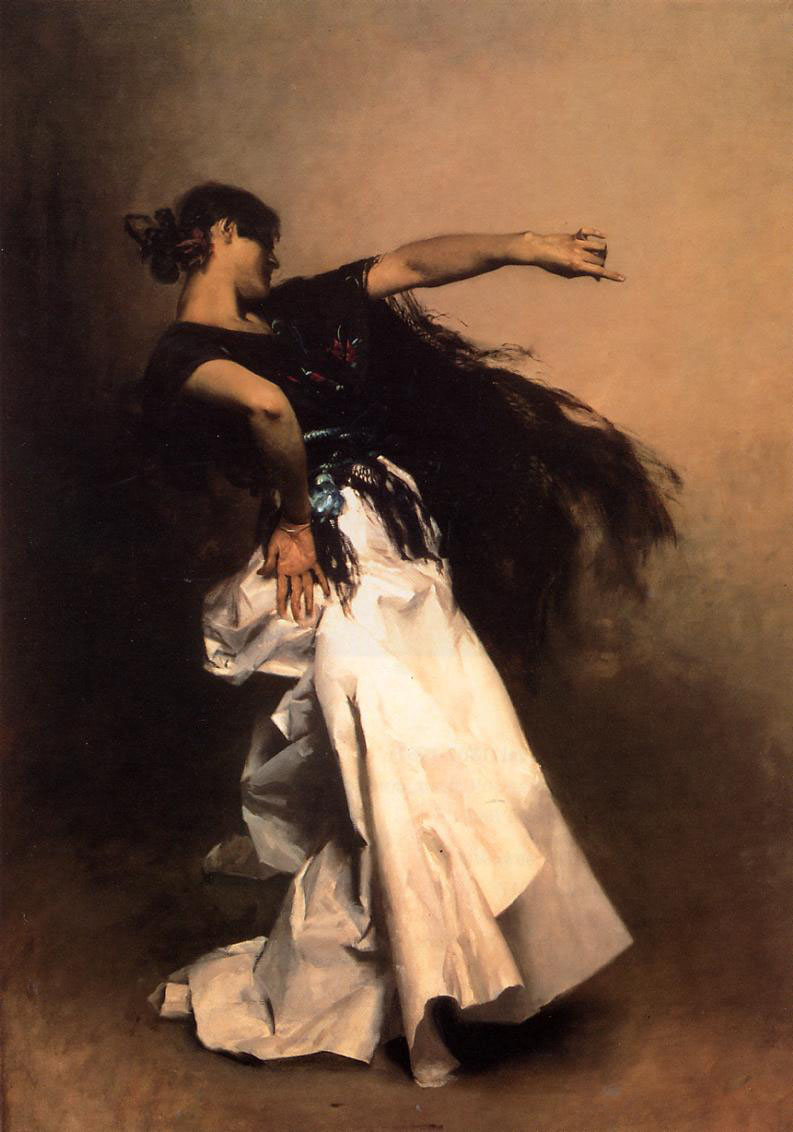 🇪🇸 SpainFlamenco
A dramatic dance and music tradition rooted in Andalusia's gitano and folk culturesFolk dance · Solo · Group
🇪🇸 SpainFlamenco
A dramatic dance and music tradition rooted in Andalusia's gitano and folk culturesFolk dance · Solo · Group
 🇦🇷 Argentina and 1 moreTango
A partner dance from the Río de la Plata, danced in close or open embraceSocial dance · Couple
🇦🇷 Argentina and 1 moreTango
A partner dance from the Río de la Plata, danced in close or open embraceSocial dance · Couple
 🇦🇹 Austria and 4 moreWaltz
A turning couple dance in triple time, first popular in 18th-century EuropeBallroom or Latin dance · Couple
🇦🇹 Austria and 4 moreWaltz
A turning couple dance in triple time, first popular in 18th-century EuropeBallroom or Latin dance · Couple
 🇮🇳 India and 1 moreFolk dance
Traditional group dances rooted in local life and passed down through generationsFolk dance · Group · Circle
🇮🇳 India and 1 moreFolk dance
Traditional group dances rooted in local life and passed down through generationsFolk dance · Group · Circle