
Khorumi
In its own language: ხორუმი
A large-scale men's war dance from Adjara in southwestern Georgia
Khorumi is a dramatic war dance from Adjara, a region in southwestern Georgia. Performed by men, it reenacts scenes of military scouting, battle, and triumph, often with 30 or more dancers moving in precise formations. The dance is accompanied by drum and bagpipe, and is presented at cultural events and on stage.
Watch it dancedShare on WhatsApp
- Originated in Adjara, southwestern Georgia
- Performed by groups of up to 40 men
- Depicts military scouting, battle, and victory
- Accompanied by doli drum and chiboni bagpipe
- Uses a five-beat rhythm (3+2)
What is Khorumi?
Khorumi is a martial dance from Georgia, rooted in the Adjara region. It is performed by men, sometimes in groups as large as forty, who use bold, synchronized steps to depict military actions. The choreography unfolds in stages, showing scouting, assembling troops, and celebrating victory. The dance is known for its disciplined lines and energetic movement, creating a powerful visual impression. Drums and bagpipes provide a driving musical backdrop.
Where does Khorumi come from?
Khorumi began in Adjara, in Georgia's southwest. It started as a small-group dance, but over time, the number of performers increased to create a more striking stage presence. The dance draws on Georgia’s long history of warfare, using movement to recall the experiences of soldiers in past centuries. Its themes and structure have remained consistent, even as the scale of performance has grown.
How is Khorumi danced?
The dance opens with a few men moving carefully, as if searching for a safe place or enemy forces. After this introduction, more dancers join, forming lines and patterns that suggest military formations. Movements are strong and clear, with a focus on unity and precision. The group’s coordination and the sharpness of their steps highlight the discipline and courage of the warriors they portray.
Khorumi, drawn
The music of Khorumi
Khorumi is set apart from many other Georgian dances by its musical accompaniment. Instead of singing and clapping, it uses the doli (a type of drum) and the chiboni (a Georgian bagpipe). The rhythm is based on a five-beat cycle, divided into three and two beats, giving the music a distinctive drive that matches the dance’s martial character.
When and where Khorumi is danced
Khorumi is performed at festivals, cultural gatherings, and on stage, often as a showcase of Georgian identity and history. It is danced by men, who may be trained in folk ensembles or ballet companies. The dance is passed down through formal instruction and public performance.
Styles of Khorumi
While Khorumi began with just a handful of dancers, modern versions can include up to forty men, allowing for more complex formations and a grander spectacle. The core story and movement style remain the same, focusing on military themes and group unity.
What Khorumi means
Khorumi is valued as a symbol of Georgia’s resilience and martial tradition. It is recognized as an important part of the country’s cultural life, and is performed both in Georgia and by Georgian groups abroad. The dance serves as a reminder of the nation’s history and the importance of readiness and unity.
Questions people ask about Khorumi
Where does Khorumi come from?
Khorumi comes from Adjara, a region in the southwest of Georgia. It is now performed across the country and has become a well-known symbol of Georgian dance.
Who performs Khorumi?
Khorumi is performed by men, often in large groups. The number of dancers can range from a few to as many as forty, depending on the version.
When is Khorumi danced?
Khorumi is presented at festivals, cultural events, and stage performances. It is not tied to a specific holiday, but is a highlight of Georgian folk dance programs.
What music is used for Khorumi?
The dance is accompanied by the doli, a drum, and the chiboni, a Georgian bagpipe. The music has a unique five-beat pattern.
What does Khorumi represent?
Khorumi portrays scenes from Georgia’s military past, including scouting, battle, and victory, and celebrates the bravery and discipline of Georgian soldiers.
Good reading and sources
- Khorumi on WikipediaEncyclopedia
- Wikidata recordOpen data
- Videos of Khorumi on YouTubeSearch results, not chosen by Ghungroo
The facts on this page come from the Wikipedia article "Khorumi", written by its contributors and used under the CC BY-SA 4.0 licence, and from its Wikidata record (CC0). Ghungroo rewrote the text in its own words, with AI assistance, and compares every page with the article to make sure no passage is copied. It may be reused under the same CC BY-SA 4.0 licence with a link back.
It may contain mistakes, and it describes the dance in outline: it is not a lesson. Traditions differ from one teacher, village or family to the next. If something is wrong, tell us. Last refreshed 2026-10-03.
Its cousins elsewhere
All folk dances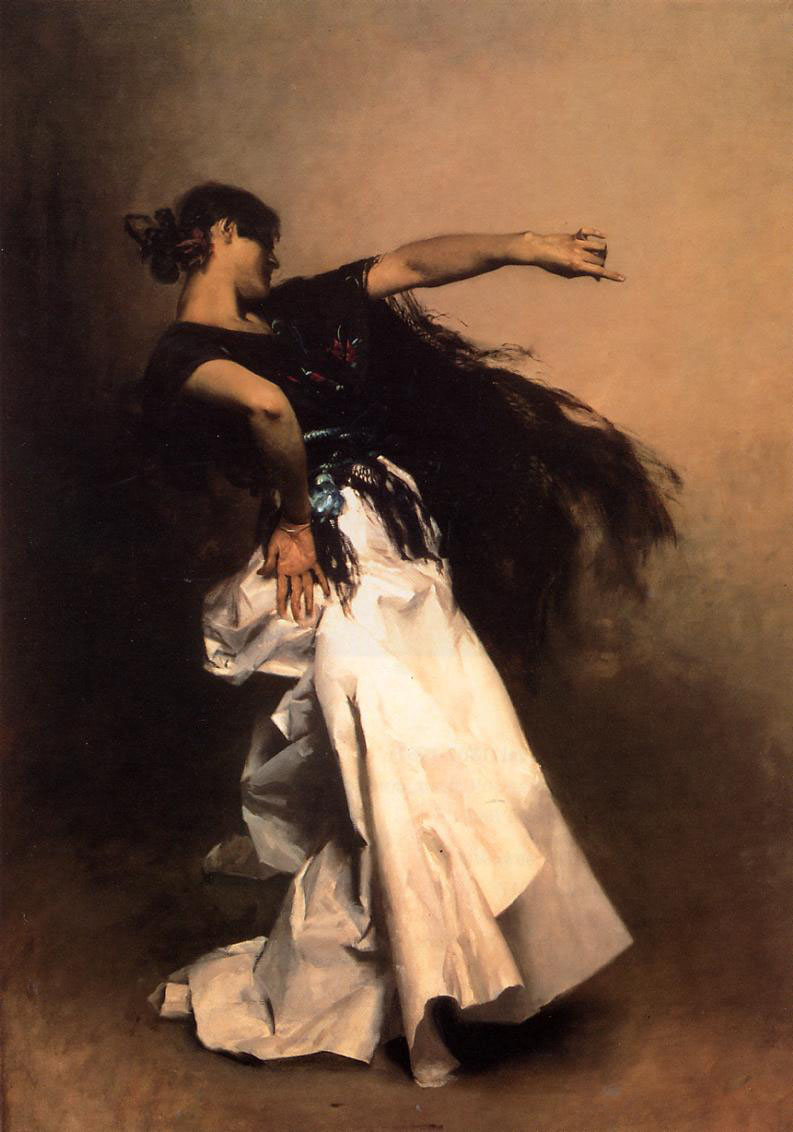 🇪🇸 SpainFlamenco
A dramatic dance and music tradition rooted in Andalusia's gitano and folk culturesFolk dance · Solo · Group
🇪🇸 SpainFlamenco
A dramatic dance and music tradition rooted in Andalusia's gitano and folk culturesFolk dance · Solo · Group
 🇦🇷 Argentina and 1 moreTango
A partner dance from the Río de la Plata, danced in close or open embraceSocial dance · Couple
🇦🇷 Argentina and 1 moreTango
A partner dance from the Río de la Plata, danced in close or open embraceSocial dance · Couple
 🇦🇹 Austria and 4 moreWaltz
A turning couple dance in triple time, first popular in 18th-century EuropeBallroom or Latin dance · Couple
🇦🇹 Austria and 4 moreWaltz
A turning couple dance in triple time, first popular in 18th-century EuropeBallroom or Latin dance · Couple
 🇧🇷 BrazilCapoeira
A Brazilian martial art that blends dance, acrobatics, and music in a circle gameWar or martial dance · Circle · Solo
🇧🇷 BrazilCapoeira
A Brazilian martial art that blends dance, acrobatics, and music in a circle gameWar or martial dance · Circle · Solo