Locking
A funk dance with sudden freezes, playful moves, and lively audience interaction
Locking is a funk dance style that features quick, exaggerated movements and sudden pauses called locks. It began in the late 1960s with Don Campbell and is often performed to funk music, with dancers using comic gestures and engaging the crowd. Locking can be danced solo or in groups, and is known for its acrobatic steps and improvisation.
Watch it dancedShare on WhatsApp
- Locking was created by Don Campbell in the late 1960s
- Signature moves include the Lock, Scoo B Doo, and Skeeter Rabbit
- Dancers often interact with the audience using gestures and smiles
- Performed to funk music, especially in competitions and shows
- Costumes feature bright colors, hats, and white gloves
What is Locking?
Locking is a dance style rooted in funk music, marked by sharp stops and holds in the middle of energetic movement. Dancers use broad arm gestures, playful pointing, and rhythmic freezes, often breaking the fourth wall by smiling or interacting with the audience. The dance is lively, with both soloists and groups performing, and includes both humorous and physically demanding steps. Locking is recognized for its bold, theatrical flair and its use of exaggerated, rhythmic motions.
Where does Locking come from?
Locking was created by Don Campbell in the late 1960s, when he combined popular dances of the time with his own unique pauses, which became known as locks. The dance emerged when Campbell improvised a freeze during a routine, leading to the signature movement. As Campbell and his group, The Lockers, gained attention, other dancers contributed their own steps and styles, helping to shape and spread the form. The dance's name was shortened from Campbellocking to Locking as it grew in popularity.
How is Locking danced?
Locking involves sudden stops, or locks, where the dancer freezes in place before resuming quick, rhythmic motion. The style uses large, expressive arm and hand movements, while the hips and legs remain more relaxed. Dancers often incorporate gestures like pointing, waving, and cap tricks, and may include acrobatic elements such as knee drops or splits. The dance encourages improvisation, but also includes a set of signature moves developed by early practitioners.
Locking, drawn
The music of Locking
Locking is closely tied to funk music, especially tracks by artists like James Brown. The music is upbeat and rhythmic, providing a strong groove that matches the dance's energetic style. Dancers often perform to classic funk in competitions and shows, using the music's tempo and breaks to time their locks and gestures. Clapping, singing, and audience participation are sometimes part of the performance.
Costume and what is carried
Costumes for locking are often colorful and eye-catching, including items like bright shirts with large collars, oversized hats, white gloves, and bold accessories such as bow ties. Dancers may wear pants that end at the knee and striped socks. The clothing style reflects the dance's playful and theatrical nature, and hats are sometimes used as props during routines.
When and where Locking is danced
Locking is performed at dance contests, stage shows, and street gatherings, and is a staple in funk and hip-hop dance competitions. Anyone can participate, and it is often taught in dance studios or passed on informally among dancers. The style is also seen in showcases and battles, where improvisation and crowd engagement are encouraged.
Styles of Locking
Many dancers have developed their own signature moves within locking, such as the Alpha, Scoo B Doo, and Skeeter Rabbit. While the core of the dance remains the lock and exaggerated gestures, dancers often blend in new steps or personal touches. Some routines are solo, while others involve synchronized group work or playful partner interactions.
What Locking means
Locking holds a special place in funk and street dance culture, representing creativity, individuality, and connection with the audience. It has influenced other dance styles like popping and hip-hop, and remains a popular form in dance battles and performances worldwide. The dance's comic elements and physical demands make it both entertaining and challenging, and it continues to evolve as new dancers add their own flair.
Questions people ask about Locking
Where did locking originate?
Locking began in the United States in the late 1960s, created by Don Campbell, who developed the style by combining popular dances with his own unique freezes.
What kind of music is used for locking?
Locking is danced to funk music, with tracks by artists like James Brown being especially popular. The music's strong rhythm and groove match the dance's energetic style.
Who can dance locking?
Anyone can dance locking. It is open to all genders and ages, and is performed solo or in groups, often in competitions, shows, or informal gatherings.
What makes locking different from other street dances?
Locking is known for its sudden freezes, exaggerated arm movements, and playful interaction with the audience. It also features comic gestures and acrobatic steps.
When is locking usually performed?
Locking is seen at dance competitions, stage performances, and street dance events, and is a regular feature in funk and hip-hop dance battles.
Good reading and sources
- Locking (dance) on WikipediaEncyclopedia
- Wikidata recordOpen data
- Videos of Locking on YouTubeSearch results, not chosen by Ghungroo
The facts on this page come from the Wikipedia article "Locking (dance)", written by its contributors and used under the CC BY-SA 4.0 licence, and from its Wikidata record (CC0). Ghungroo rewrote the text in its own words, with AI assistance, and compares every page with the article to make sure no passage is copied. It may be reused under the same CC BY-SA 4.0 licence with a link back.
It may contain mistakes, and it describes the dance in outline: it is not a lesson. Traditions differ from one teacher, village or family to the next. If something is wrong, tell us. Last refreshed 2026-10-03.
Its cousins elsewhere
All street and club dances 🇺🇸 United States and 5 moreHip-hop dance
Improvised street dance styles shaped by hip-hop music and cultureStreet or club dance · Solo · Group
🇺🇸 United States and 5 moreHip-hop dance
Improvised street dance styles shaped by hip-hop music and cultureStreet or club dance · Solo · Group
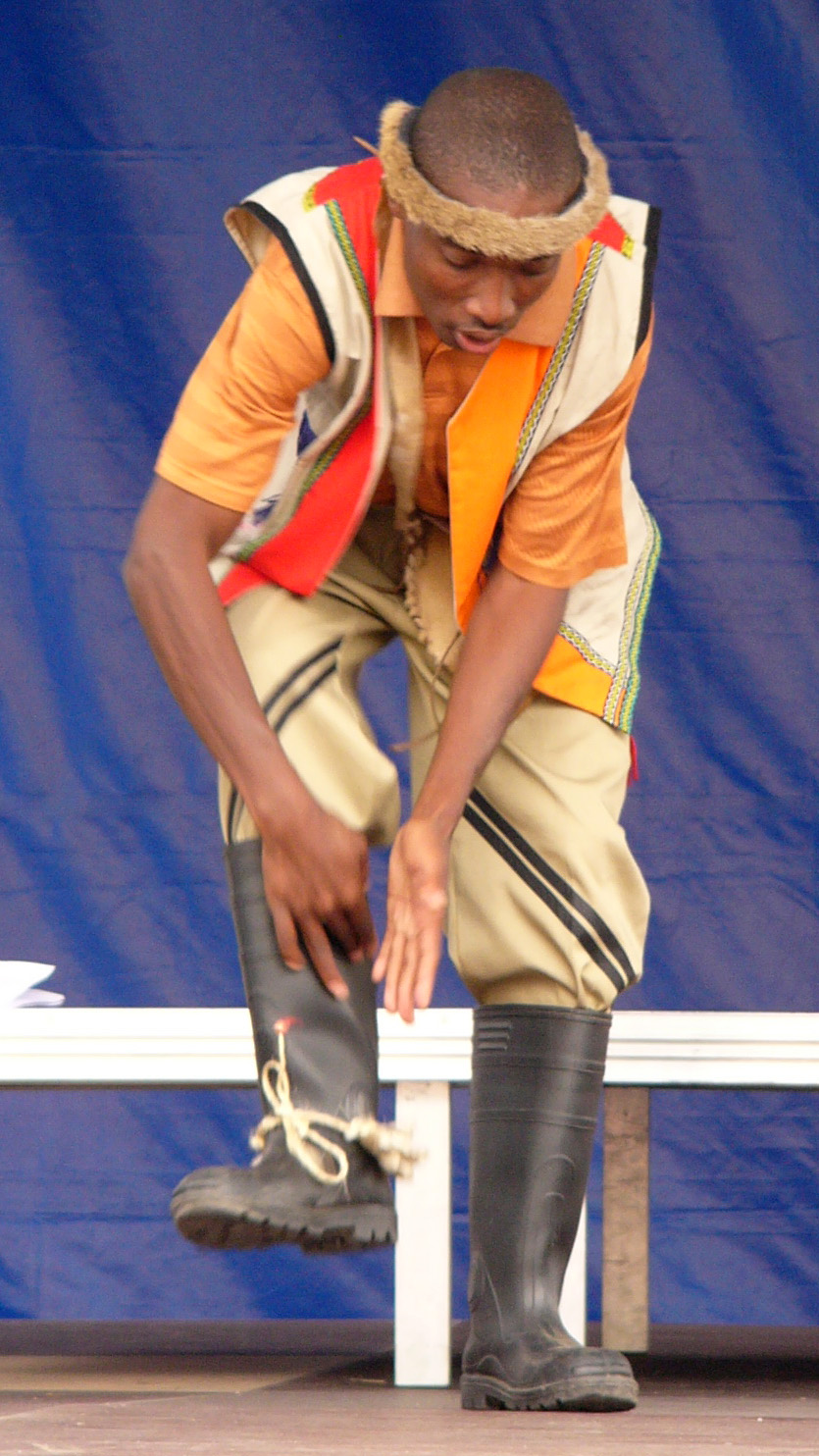 🇿🇦 South AfricaGumboot dance
A South African dance performed in rubber boots, using stamping and slapping for rhythmFolk dance · Group
🇺🇸 United StatesUprock
A competitive street dance of hand gestures and footwork from New York City.Street or club dance · Couple · Line or chain
🇺🇸 United StatesElectric boogaloo
A funk street dance from Oakland using fluid leg rolls and sharp body hits.Street or club dance · Solo
🇿🇦 South AfricaGumboot dance
A South African dance performed in rubber boots, using stamping and slapping for rhythmFolk dance · Group
🇺🇸 United StatesUprock
A competitive street dance of hand gestures and footwork from New York City.Street or club dance · Couple · Line or chain
🇺🇸 United StatesElectric boogaloo
A funk street dance from Oakland using fluid leg rolls and sharp body hits.Street or club dance · Solo