Setapa
A stamping folk dance of the Bangwaketse people in Botswana.
Setapa is a traditional music and dance form from the Bangwaketse tribe in Botswana. Dancers stamp their feet to create rhythm while singing or playing instruments like horns and whistles.
Watch it dancedShare on WhatsApp
- Originates from the Bangwaketse tribe in Botswana.
- Dancers stamp feet to create rhythmic sound.
- Three types exist based on footwork styles.
- Men wear antelope skin trousers and tire flip-flops.
- Women wear animal skin skirts and ox-head sandals.
What is Setapa?
Setapa is a group dance performed by men and women together. The movement centers on stamping feet into the ground to match the song. The name comes from a Tswana word meaning to step continuously. It belongs to the Bangwaketse tribe of Botswana. The sound is created by the dancers' feet and accompanying instruments.
Where does Setapa come from?
The dance originated with the Bangwaketse people in Kanye village and nearby areas. It is considered the traditional dance of this specific tribe. The style developed over time through contact with neighboring groups. Some steps were adopted from the Bakwena tribe's Phathisi dance. Other movements came from the Basarwa tribe's tsutsube dance due to shared borders.
How is Setapa danced?
Dancers stand in a group and stamp their feet rhythmically. There are three main styles based on footwork. One mimics a galloping horse. Another involves tying trousers to allow specific leg movements. A third style drags the feet along the ground. The performers move together as a unit to create a unified sound.
Setapa, drawn
The music of Setapa
The dance is accompanied by a choir singing or playing songs. Men often carry whistles and heifer horns. These instruments produce sound when air is blown through them. The foot stomping adds a percussive layer to the music. The combination creates a distinct rhythmic pattern for the dancers.
Costume and what is carried
Traditional outfits include animal skins. Men wear short trousers made of antelope hide. They also use shin guards and flip-flops made from tires. Women wear skirts made from duiker or other animal hides. Their sandals are crafted from oxen head skin. Modern dancers may wear fashion clothes but keep the rattling leg accessories.
When and where Setapa is danced
Setapa is performed by the Bangwaketse community in Botswana. It is danced in villages like Kanye, Sesung, and Selokolela. Historically, it was worn daily or for tribal gatherings. Today, it is often presented as a performance piece. The younger generation adapts the costume while keeping the core steps.
Styles of Setapa
There are three recognized types of Setapa. Setapa sa dipitse sounds like a galloping horse. Setapa sa phathisi uses tied trousers for movement. Setapa sa go goga maoto drags the feet. Each type reflects influence from different neighboring tribes. The variations show how the dance evolved through cultural exchange.
What Setapa means
This dance is a key part of Bangwaketse identity. It represents the history of the tribe in Botswana. The use of animal skins connects dancers to nature and tradition. Modern versions mix old steps with new clothing. The dance preserves tribal heritage through movement and sound.
Questions people ask about Setapa
Where does Setapa come from?
It comes from the Bangwaketse tribe in Botswana, specifically around Kanye village and surrounding areas like Sesung and Selokolela.
What do dancers wear?
Traditionally, they wear animal skin skirts and trousers. Men use tire flip-flops and shin guards. Women wear sandals made from oxen head skin.
How is the music made?
A choir sings or plays songs. Men blow into whistles and heifer horns. The dancers stamp their feet to add percussion.
What are the different types?
There are three types: one mimicking horses, one with tied trousers, and one dragging feet. They reflect influences from neighboring tribes.
Good reading and sources
- Setapa on WikipediaEncyclopedia
- Wikidata recordOpen data
- Videos of Setapa on YouTubeSearch results, not chosen by Ghungroo
The facts on this page come from the Wikipedia article "Setapa", written by its contributors and used under the CC BY-SA 4.0 licence, and from its Wikidata record (CC0). Ghungroo rewrote the text in its own words, with AI assistance, and compares every page with the article to make sure no passage is copied. It may be reused under the same CC BY-SA 4.0 licence with a link back.
It may contain mistakes, and it describes the dance in outline: it is not a lesson. Traditions differ from one teacher, village or family to the next. If something is wrong, tell us. Last refreshed 2026-10-04.
More from Botswana
All the dances of Botswana 🇧🇼 BotswanaDihosana
A rain-making trance dance of the Kalanga people in BotswanaFolk dance · Group
🇧🇼 BotswanaBorankana
A traditional dance of the Bakwena people in Botswana, characterized by trouser-pegging movements.Folk dance
🇧🇼 BotswanaDihosana
A rain-making trance dance of the Kalanga people in BotswanaFolk dance · Group
🇧🇼 BotswanaBorankana
A traditional dance of the Bakwena people in Botswana, characterized by trouser-pegging movements.Folk dance
 🇧🇼 Botswana and 1 moreTsutsube
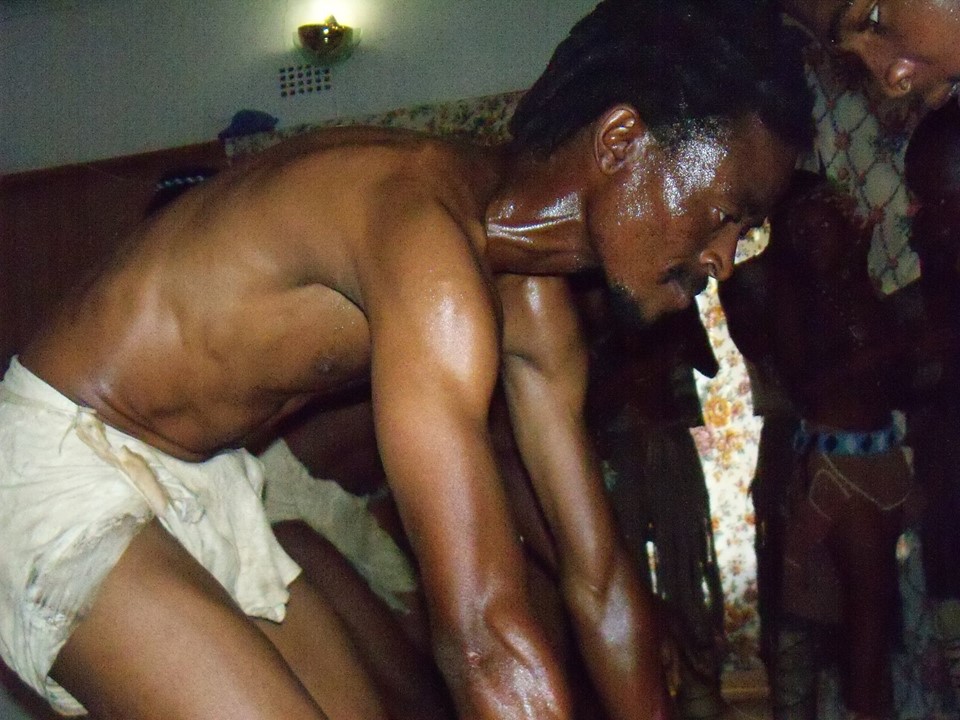
A ritual dance of the San people in Botswana for life stages and healing.Folk dance
🇧🇼 Botswana and 1 moreTsutsube
A ritual dance of the San people in Botswana for life stages and healing.Folk dance
Its cousins elsewhere
All folk dances 🇮🇳 IndiaBedara Vesha
A night-long folk dance in Sirsi featuring masked performers with swords and peacock feathers.Folk dance · Group
🇮🇳 IndiaBedara Vesha
A night-long folk dance in Sirsi featuring masked performers with swords and peacock feathers.Folk dance · Group
 🇪🇸 SpainFlamenco
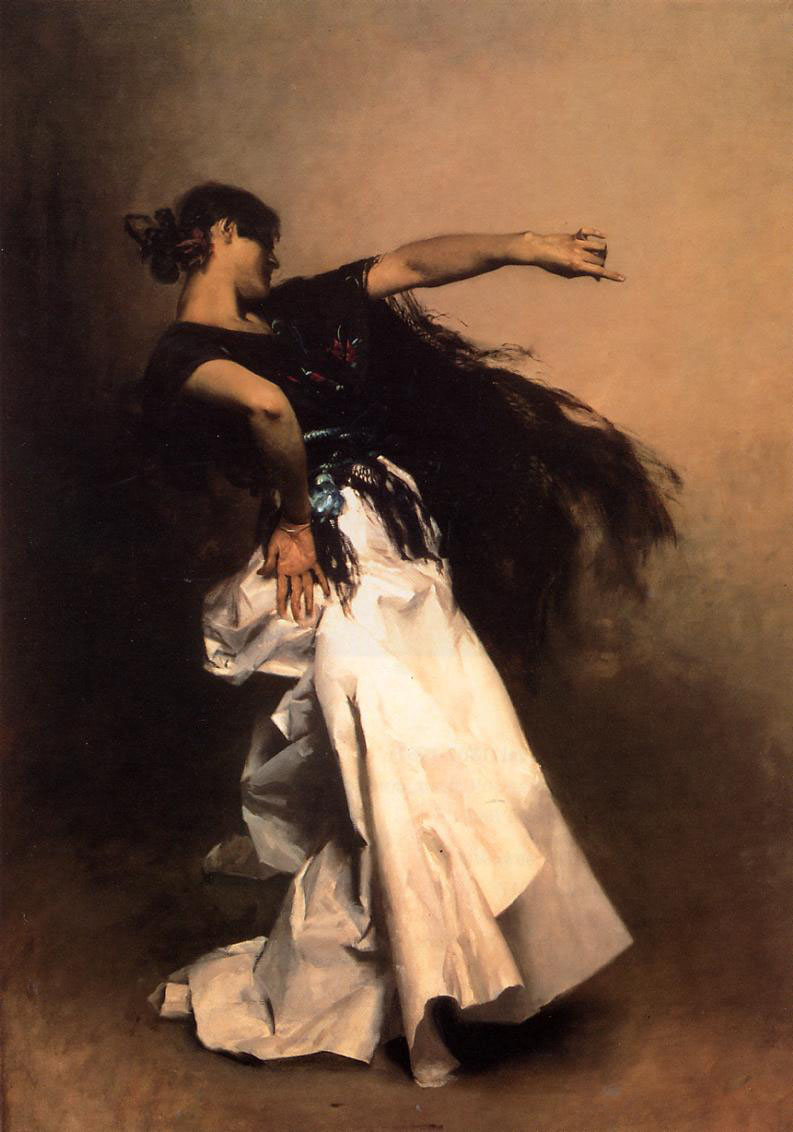
A dramatic dance and music tradition rooted in Andalusia's gitano and folk culturesFolk dance · Solo · Group
🇪🇸 SpainFlamenco
A dramatic dance and music tradition rooted in Andalusia's gitano and folk culturesFolk dance · Solo · Group
 🇦🇷 Argentina and 1 moreTango
A partner dance from the Río de la Plata, danced in close or open embraceSocial dance · Couple
🇦🇷 Argentina and 1 moreTango
A partner dance from the Río de la Plata, danced in close or open embraceSocial dance · Couple
 🇦🇹 Austria and 4 moreWaltz
A turning couple dance in triple time, first popular in 18th-century EuropeBallroom or Latin dance · Couple
🇦🇹 Austria and 4 moreWaltz
A turning couple dance in triple time, first popular in 18th-century EuropeBallroom or Latin dance · Couple