
Ula
A traditional Tongan group dance performed by women in two converging lines.
The ula is an ancient group dance from Tonga, first recorded by early European visitors. It features female dancers who split into groups and merge, using simple hand and head movements while keeping the body stiff.
Watch it dancedShare on WhatsApp
- Dancers enter from opposite sides to merge in the center.
- Originally fast-paced with hip movement before becoming stiff.
- Primarily performed by women in red dresses.
- Known as fahaʻi-ula or split dance.
- First recorded by early European navigators.
What is Ula?
This is a traditional group performance from Tonga that has been documented since the time of early European explorers. It is primarily executed by women, with male participation being rare. The style relies on graceful hand gestures and head positioning rather than complex footwork. Dancers maintain a rigid posture for their torso and legs, focusing their energy on upper body expression to create beautiful postures.
Where does Ula come from?
The dance was once the main form of performance in Tonga before the arrival of Christianity. It was historically more popular than its successor, the tauʻolunga. Early navigators like Captain Cook reported seeing it. After Christian influence arrived, the royal family modified the style, making it more conservative and stiff compared to its original fast-paced nature involving hips and legs.
How is Ula danced?
Performers divide into two or more groups, entering from opposite sides until they meet in the center to form rows. The physical actions are minimal and simple. Legs remain mostly still except for occasional steps or kneeling. The primary motion comes from the hands and head, which create supple shapes against a stiff body. The dance often follows an ʻotuhaka performance.
Ula, drawn
The music of Ula
The sources mention older chants and lyrics from the early twentieth century but do not specify instruments. The text includes verses such as 'Tonga, Tonga ē' and references to faiva. No specific rhythmic cycle or musical accompaniment details are provided beyond these lyrical fragments.
Costume and what is carried
Female dancers wear dresses similar to those used in the tauʻolunga. The red dress is noted as the most popular choice for this performance. No other specific accessories or makeup details are mentioned in the provided material.
When and where Ula is danced
It is danced today, though less frequently than the tauʻolunga. Traditionally, it was performed after an ʻotuhaka. It was the dominant dance form before religious changes altered its practice. It remains a cultural heritage piece passed down through generations.
Styles of Ula
The dance is also known as fahaʻi-ula, meaning split dance, or sometimes fahaʻiula. Variants exist in the lyrical content, including different chants from the beginning of the twentieth century. The style changed significantly due to royal intervention following the introduction of Christianity.
What Ula means
The ula represents a shift in Tongan performance history due to religious influence. It serves as a precursor to the more modern tauʻolunga. Its preservation highlights the impact of external forces on indigenous traditions, resulting in a more restrained artistic expression.
Questions people ask about Ula
What does the name fahaʻi-ula mean?
It translates to split dance, referring to the formation where performers divide into groups entering from different directions before merging.
Who performs the ula dance?
It is traditionally performed by women or girls. Male participation is rare, and the dance is considered a female-dominated art form.
How did Christianity affect this dance?
The royal family altered the dance to be more conservative. Movements became stiff and restricted, losing the original fast pace and hip articulation.
Where does this dance originate?
It originates from Tonga. It was the main dance form there before being replaced in popularity by the tauʻolunga.
Good reading and sources
- Ula (dance) on WikipediaEncyclopedia
- Wikidata recordOpen data
- Videos of Ula on YouTubeSearch results, not chosen by EveryGhunghroo
The facts on this page come from the Wikipedia article "Ula (dance)", written by its contributors and used under the CC BY-SA 4.0 licence, and from its Wikidata record (CC0). EveryGhunghroo rewrote the text in its own words, with AI assistance, and compares every page with the article to make sure no passage is copied. It may be reused under the same CC BY-SA 4.0 licence with a link back.
It may contain mistakes, and it describes the dance in outline: it is not a lesson. Traditions differ from one teacher, village or family to the next. If something is wrong, tell us. Last refreshed 2026-10-04.
More from Tonga
All the dances of Tonga 🇼🇸 Samoa and 1 moreTaualuga
A solo ceremonial dance of Samoa, performed by chiefs' children as the finale of celebrations.Folk dance · Solo
🇼🇸 Samoa and 1 moreTaualuga
A solo ceremonial dance of Samoa, performed by chiefs' children as the finale of celebrations.Folk dance · Solo
 🇹🇴 TongaKailao
A Tongan war dance with clubs, originating from Wallis and Futuna.Folk dance · Group
🇹🇴 TongaKailao
A Tongan war dance with clubs, originating from Wallis and Futuna.Folk dance · Group
Its cousins elsewhere
All folk dances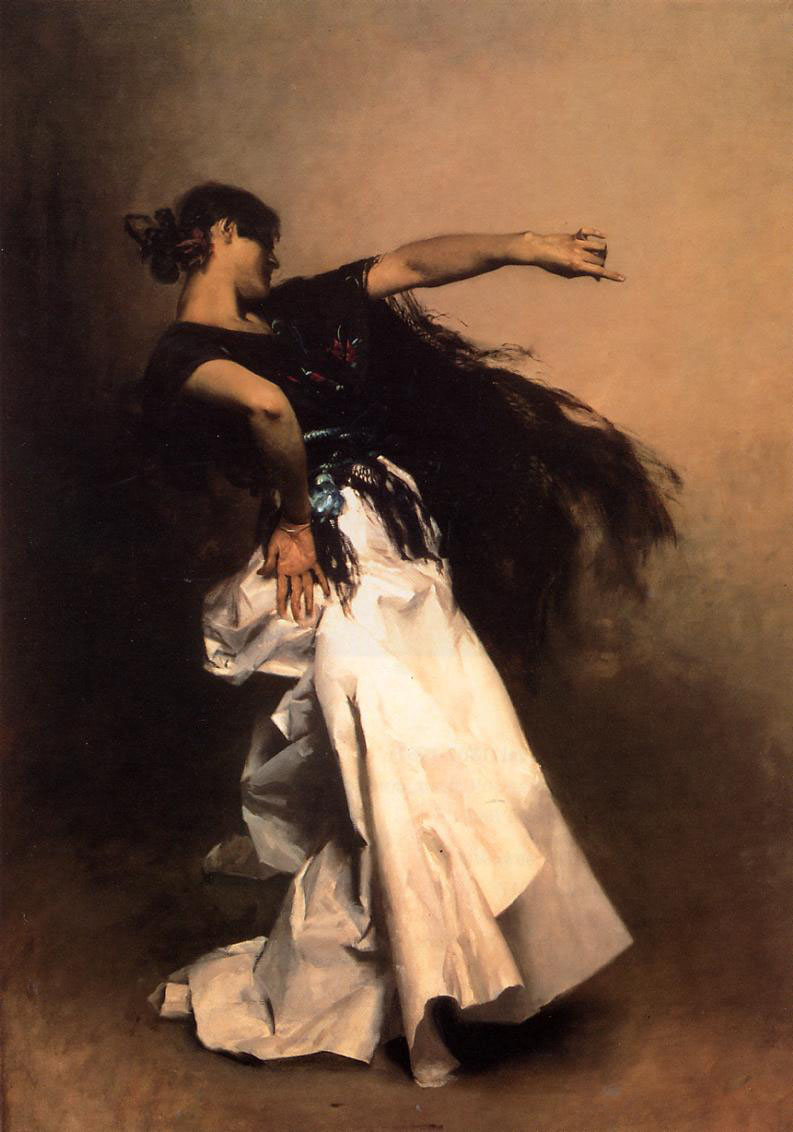 🇪🇸 SpainFlamenco
A southern Spanish art form of rhythmic footwork, singing, and acoustic guitarFolk dance · Solo · Group
🇪🇸 SpainFlamenco
A southern Spanish art form of rhythmic footwork, singing, and acoustic guitarFolk dance · Solo · Group
 🇦🇹 Austria and 5 moreWaltzWalzer
A gliding partner dance in triple time, performed in a turning closed embraceBallroom or Latin dance · Couple · Set or square
🇦🇹 Austria and 5 moreWaltzWalzer
A gliding partner dance in triple time, performed in a turning closed embraceBallroom or Latin dance · Couple · Set or square
 🇮🇳 India and 1 moreFolk dance
Traditional group dances rooted in local life and passed down through generationsFolk dance · Group · Circle
🇮🇳 India and 1 moreFolk dance
Traditional group dances rooted in local life and passed down through generationsFolk dance · Group · Circle
 🇧🇷 BrazilCapoeira
A Brazilian martial art that blends dance, acrobatics, and music in a circle gameWar or martial dance · Circle · Solo
🇧🇷 BrazilCapoeira
A Brazilian martial art that blends dance, acrobatics, and music in a circle gameWar or martial dance · Circle · Solo