
Zamacueca
A lively partner dance from Peru, marked by waving handkerchiefs and syncopated steps
Zamacueca is a partner dance and music style that began in colonial Peru, shaped by Spanish, African, and Andean traditions. Dancers use handkerchiefs and expressive hip movements, performing at festivals and gatherings, especially during celebrations of independence. It is considered the forerunner of the marinera and has influenced dances across South America.
Watch it dancedShare on WhatsApp
- Dancers use a white handkerchief as a key prop
- Originated in Lima during the colonial era
- The cajon drum is central to its rhythm
- Predecessor of the marinera and Chilean cueca
What is Zamacueca?
Zamacueca is a dance and music form from Peru, performed by couples who interact playfully with each other. Both partners move with syncopated steps and pronounced hip actions, using a handkerchief as a prop to accentuate their gestures. The dance is lively and expressive, with the handkerchief waved overhead. Zamacueca is often seen at festive gatherings and is accompanied by a blend of stringed instruments and percussion, creating a spirited atmosphere.
Where does Zamacueca come from?
The dance began in the Viceroyalty of Peru, shaped by Spanish colonial dances and African rhythms. Its name is thought to combine the Spanish 'Zamba Antigua' and the Kikongo word for drum, 'kwa-kwa'. The zamacueca developed in Lima and nearby neighborhoods among people of mixed African and Indigenous descent, especially during the colonial era. Over time, it became a symbol of celebration and was adopted in other South American countries, influencing dances like the Chilean cueca.
How is Zamacueca danced?
Partners face each other and use energetic footwork, with hips moving in patterns influenced by African dance. Each dancer holds a white handkerchief in the right hand, waving it above the head to highlight their movements. The dance involves circling, approaching, and retreating, with playful gestures and a sense of flirtation. The steps are shaped by both European and African traditions, resulting in a distinctive style.
Zamacueca, drawn
The music of Zamacueca
Zamacueca is set to music that blends Spanish and Andean melodies with African rhythms. Early performances used the lute or harp, later replaced by the guitar. The cajon, a wooden box drum, became central to the rhythm, especially in the 19th century. The music is lively, often featuring improvisation, and is closely linked to Peruvian criolla music.
Costume and what is carried
Women wear a long shirt over a wide, fitted skirt and often add decorative earrings called dormilonas. Men typically dress in a straw hat, a striped shirt, a sash, and formal trousers. The handkerchief is an essential prop for both dancers, used to emphasize their movements and interactions.

When and where Zamacueca is danced
Zamacueca is performed at festivals, social gatherings, and public celebrations, especially those marking independence or local traditions. The Fiesta de Amancaes is a well-known event where skilled dancers gather to perform. The dance was historically linked to periods of rest and enjoyment after work, especially among enslaved and working-class communities.
Styles of Zamacueca
As zamacueca spread beyond Peru, it was adapted in Chile as the cueca and influenced other regional dances in South America. Within Peru, local styles developed, and over time, the dance evolved into the marinera, which remains popular today. Each region added its own musical and choreographic touches.
What Zamacueca means
Zamacueca holds a special place in Peruvian culture as a symbol of resilience and cultural fusion. Its mix of Spanish, African, and Indigenous elements reflects Peru's history of mestizaje. The dance is recognized as a forerunner of the marinera and has contributed to national identity, especially during celebrations of independence.
Questions people ask about Zamacueca
Where did zamacueca originate?
Zamacueca began in the Viceroyalty of Peru, especially in Lima and nearby areas, during the colonial period.
When is zamacueca danced?
It is performed at festivals and social gatherings, notably during the Fiesta de Amancaes and celebrations of independence.
What instruments are used in zamacueca?
The dance is accompanied by guitar, harp, and the cajon, a wooden box drum central to its rhythm.
Who typically dances zamacueca?
Both men and women dance zamacueca, usually as couples, with each partner using a handkerchief.
How did zamacueca influence other dances?
Zamacueca served as the foundation for the marinera in Peru and the cueca in Chile, shaping national dance styles.
Good reading and sources
- Zamacueca on WikipediaEncyclopedia
- More photos and video on Wikimedia CommonsPhotos and video
- Wikidata recordOpen data
- Videos of Zamacueca on YouTubeSearch results, not chosen by Ghungroo
The facts on this page come from the Wikipedia article "Zamacueca", written by its contributors and used under the CC BY-SA 4.0 licence, and from its Wikidata record (CC0). Ghungroo rewrote the text in its own words, with AI assistance, and compares every page with the article to make sure no passage is copied. It may be reused under the same CC BY-SA 4.0 licence with a link back.
It may contain mistakes, and it describes the dance in outline: it is not a lesson. Traditions differ from one teacher, village or family to the next. If something is wrong, tell us. Last refreshed 2026-10-03.
More from Peru
All the dances of Peru 🇧🇴 Bolivia and 2 moreDiablada
A masked devil dance from the Andes, led by Saint Michael at CarnivalFolk dance · Procession · Group
🇨🇱 Chile and 3 moreCueca
A partner dance with handkerchiefs, tracing circles in Chile, Bolivia, and PeruFolk dance · Couple · Solo
🇦🇷 Argentina and 3 moreZamba
A slow partner dance from Argentina, with couples circling and waving white handkerchiefsFolk dance · Couple · Circle
🇧🇴 Bolivia and 2 moreDiablada
A masked devil dance from the Andes, led by Saint Michael at CarnivalFolk dance · Procession · Group
🇨🇱 Chile and 3 moreCueca
A partner dance with handkerchiefs, tracing circles in Chile, Bolivia, and PeruFolk dance · Couple · Solo
🇦🇷 Argentina and 3 moreZamba
A slow partner dance from Argentina, with couples circling and waving white handkerchiefsFolk dance · Couple · Circle
 🇵🇪 Peru and 3 moreHuayno
A lively Andean partner dance with stamping steps and bright melodiesFolk dance · Couple · Group
🇵🇪 Peru and 3 moreHuayno
A lively Andean partner dance with stamping steps and bright melodiesFolk dance · Couple · Group
Its cousins elsewhere
All folk dances 🇲🇽 MexicoJarabe Tapatío
A courtship dance from Jalisco, now Mexico’s national danceFolk dance · Couple · Group
🇲🇽 MexicoJarabe Tapatío
A courtship dance from Jalisco, now Mexico’s national danceFolk dance · Couple · Group
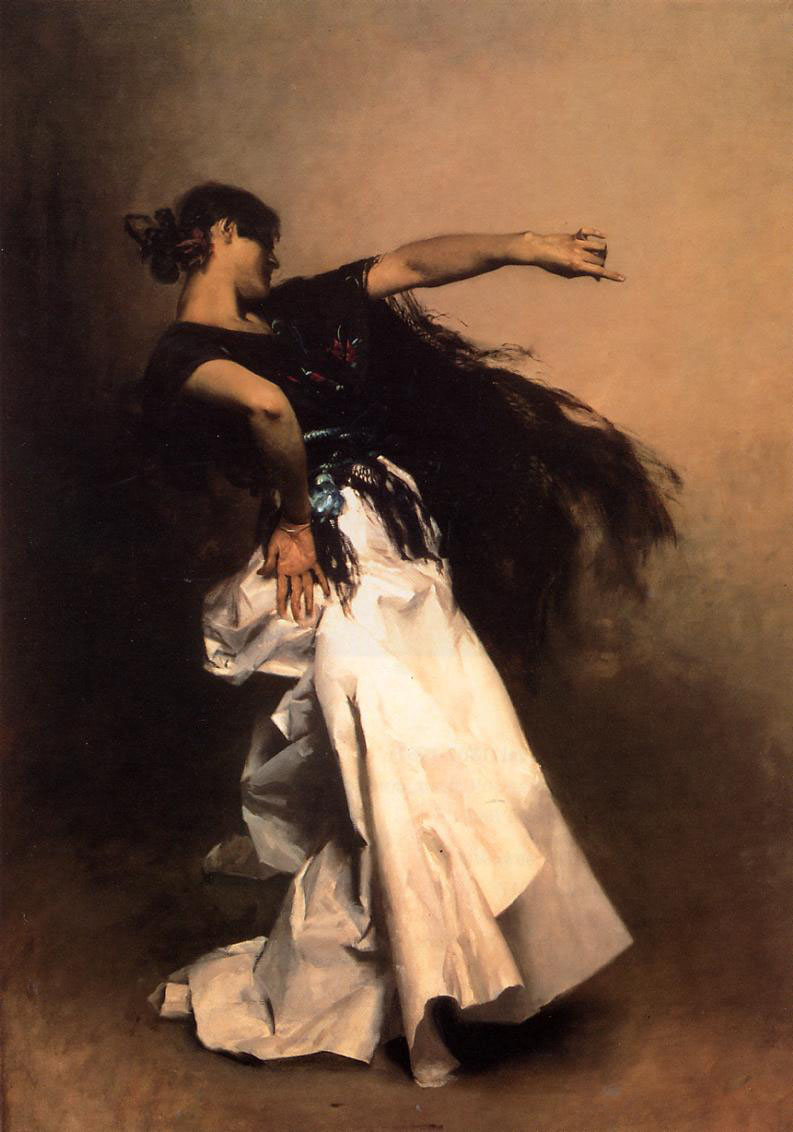 🇪🇸 SpainFlamenco
A dramatic dance and music tradition rooted in Andalusia's gitano and folk culturesFolk dance · Solo · Group
🇪🇸 SpainFlamenco
A dramatic dance and music tradition rooted in Andalusia's gitano and folk culturesFolk dance · Solo · Group
 🇨🇿 Czech Republic and 5 morePolka
A lively partner dance in 2/4 time from 19th-century BohemiaFolk dance · Couple · Circle
🇨🇿 Czech Republic and 5 morePolka
A lively partner dance in 2/4 time from 19th-century BohemiaFolk dance · Couple · Circle
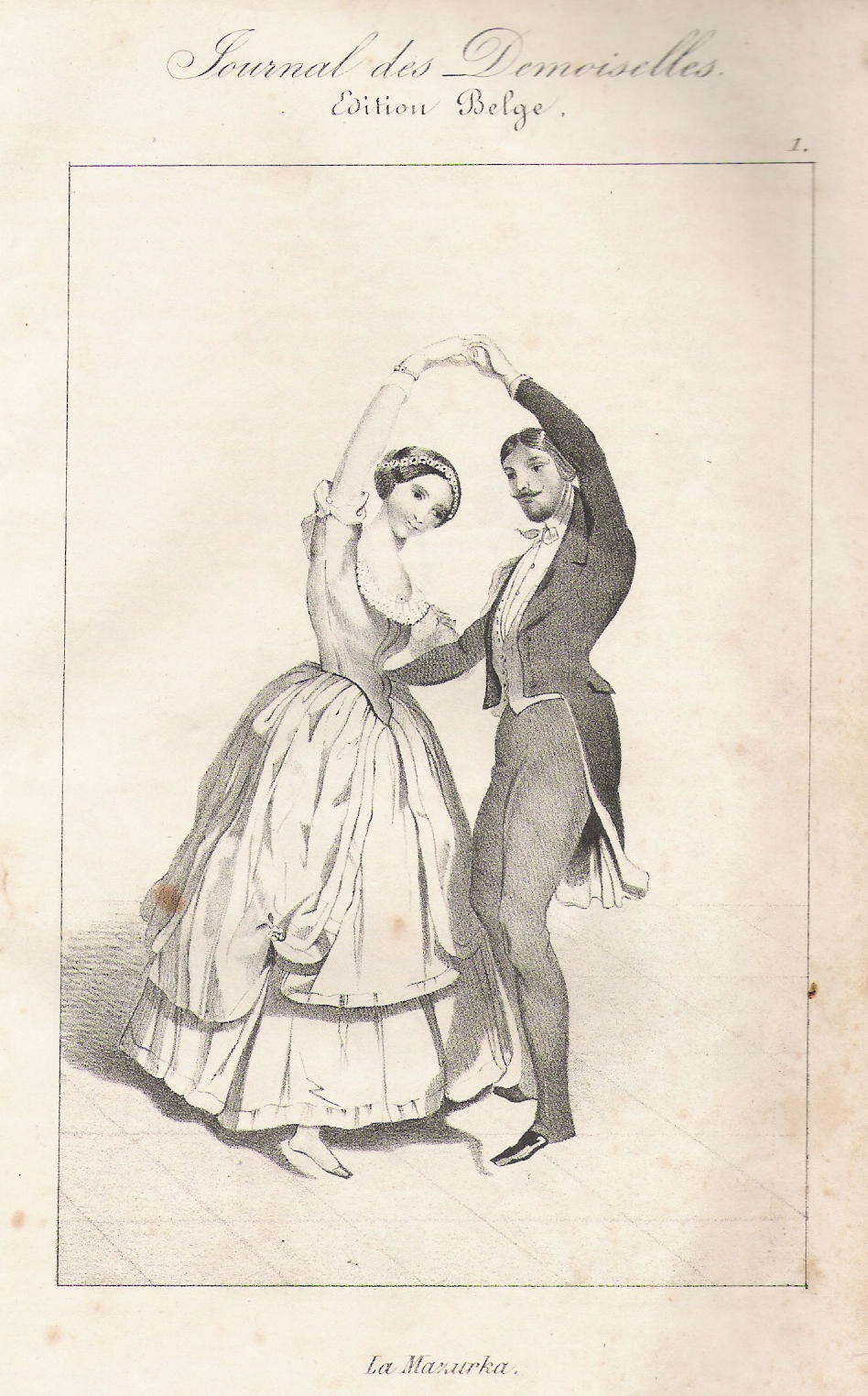 🇵🇱 Poland and 5 moreMazurka
A lively Polish folk dance in triple time, known for its shifting accentsFolk dance · Couple · Group
🇵🇱 Poland and 5 moreMazurka
A lively Polish folk dance in triple time, known for its shifting accentsFolk dance · Couple · Group