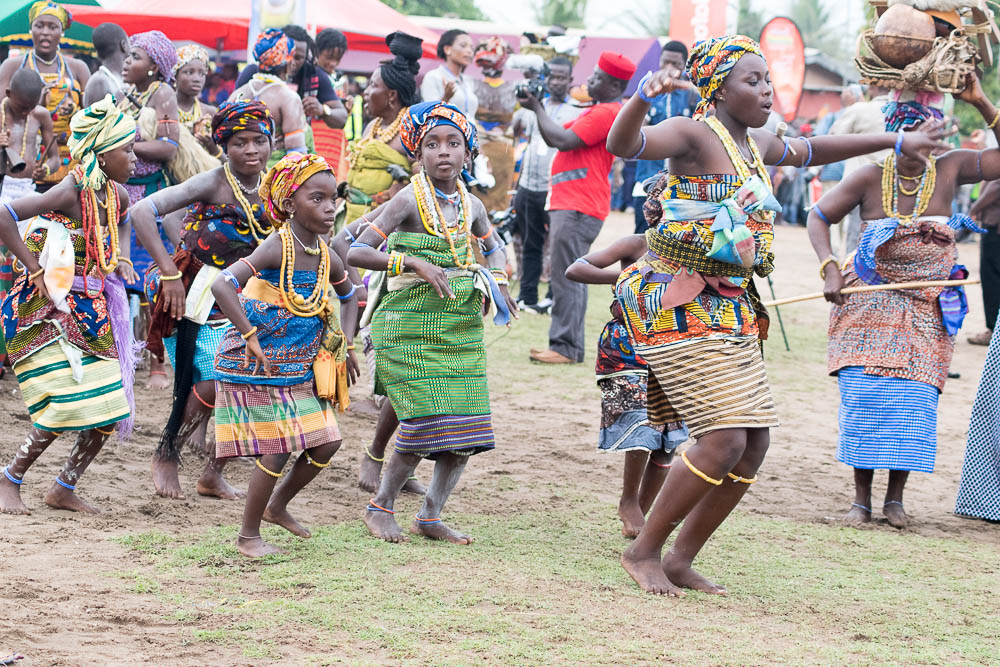
Agbadza
A lively Ewe group dance from Ghana and Togo, evolved from ancient war drills into joyful celebration.
Agbadza is a popular recreational dance of the Ewe people in Ghana and Togo. It originated as a war drill called Atrikpui but now marks festivals, weddings, and funerals with energetic bird-like movements accompanied by drums and bells.
Watch it dancedShare on WhatsApp
- Evolved from the war dance Atrikpui in the 1920s.
- Known as the 'chicken dance' due to bird-like moves.
- Performed at Hogbetsotso Festival and funerals.
- Led by the sogo drum using drumming language.
- Welcomes all participants regardless of age or gender.
What is Agbadza?
Agbadza is a spirited folk dance performed by the Ewe people across West Africa. It features energetic, bird-like movements that give it the nickname 'chicken dance.' The performance involves a large group of dancers moving together to a complex rhythm. Unlike some traditional dances restricted by age or gender, Agbadza welcomes everyone to join in. It serves as a strong emblem of Ewe identity and is known for its high energy and communal spirit.
Where does Agbadza come from?
The dance began as a military drill called Atrikpui during times of war and oppression. Warriors used these movements to prepare for battle while singers recounted tales of heroism and migration. In the 1920s, a period of peace allowed the Ewe people to transform this martial art into a recreational activity. The aggressive war steps softened into joyful social dancing, preserving the cultural memory of their ancestors while celebrating their new stability.
How is Agbadza danced?
Dancers perform five distinct movements during a session that can last for hours. It starts with Banyinyi, a prayerful introduction. The main section, Vutsortsor, features the most energetic steps. Adzo- follows with slower, less intense movements where only the master drums. Hatsatsa incorporates historical songs before returning to the vigorous Vutsortsor. The choreography includes specific bird-like gestures that mimic flight, creating a dynamic visual display on the floor.
Agbadza, drawn
The music of Agbadza
The music relies on a call-and-response vocal structure supported by a dense ensemble. Key instruments include the gankogui and atoke iron bells, which set the timeline. The sogo drum leads the group, signaling changes through drumming language. Kidu and kagan drums provide rhythmic conversation, while the axatse rattle adds texture. Handclaps enhance the high-energy atmosphere, creating a rich soundscape that guides the dancers' steps.
Costume and what is carried
Performers wear traditional clothing appropriate for the occasion. The attire varies depending on whether the event is a wedding, funeral, or festival. No specific masks or props are held during the dance itself. The focus remains on the body's movement and the rhythmic interaction between the dancers and the musicians. The visual impact comes from the collective motion and the vibrant fabrics worn by the community members.

When and where Agbadza is danced
Agbadza is danced at Hogbetsotso Festival, a major celebration for the Anlo Ewe people. It is also central to weddings, funerals, and general social parties. Because it represents Ewe heritage, it appears at any gathering where cultural identity is highlighted. The dance is inclusive, allowing people of all ages and backgrounds to participate. It is passed down through community practice rather than formal schools.
Styles of Agbadza
While rooted in the Volta Region of Ghana and Southern Togo, the dance is also performed by Ewe communities in Benin. The core structure remains consistent, but local interpretations may vary slightly in tempo or specific song lyrics. The transition from Atrikpui to Agbadza marked a shift from exclusive warrior training to open public entertainment, making it the most widely recognized Ewe dance today.
What Agbadza means
Agbadza stands as a vital symbol of Ewe resilience and joy. It transformed from a tool of survival during wartime into a celebration of peace and community. Recognized uniquely as an Ewe tradition, it reinforces ethnic pride among diaspora groups. The dance preserves oral history through its accompanying songs, ensuring that stories of migration and conquest remain part of living culture.
Questions people ask about Agbadza
Where does Agbadza come from?
It originates from the Ewe people of the Volta Region in Ghana and Southern Togo. It evolved from ancient war drills into a social dance during the peaceful 1920s.
Why is it called the chicken dance?
The nickname comes from the distinctive bird-like motions required in the choreography. Dancers mimic avian movements as part of the energetic group performance.
When is Agbadza typically danced?
It is performed at the Hogbetsotso Festival, weddings, funerals, and social parties. It marks occasions that celebrate Ewe identity and community gathering.
Who can dance Agbadza?
Unlike other Ewe dances, it is open to anyone. People of all ages, genders, and religious backgrounds are welcome to join the circle and participate.
Good reading and sources
- Agbadza on WikipediaEncyclopedia
- Wikidata recordOpen data
- Videos of Agbadza on YouTubeSearch results, not chosen by Ghungroo
The facts on this page come from the Wikipedia article "Agbadza", written by its contributors and used under the CC BY-SA 4.0 licence, and from its Wikidata record (CC0). Ghungroo rewrote the text in its own words, with AI assistance, and compares every page with the article to make sure no passage is copied. It may be reused under the same CC BY-SA 4.0 licence with a link back.
It may contain mistakes, and it describes the dance in outline: it is not a lesson. Traditions differ from one teacher, village or family to the next. If something is wrong, tell us. Last refreshed 2026-10-03.
More from Ghana
All the dances of Ghana 🇦🇴 Angola and 4 moreKizomba
A slow partner dance from Angola, blending Semba steps with Zouk rhythms for social gatherings.Social dance · Couple
🇦🇴 Angola and 4 moreKizomba
A slow partner dance from Angola, blending Semba steps with Zouk rhythms for social gatherings.Social dance · Couple
 🇬🇭 GhanaAzonto
A Ghanaian dance of mimed daily actions and playful gestures.Folk dance · Solo · Group
🇬🇭 GhanaAzonto
A Ghanaian dance of mimed daily actions and playful gestures.Folk dance · Solo · Group
 🇯🇵 Japan and 5 moreYosakoiよさこい
An energetic group dance from Japan using wooden clappers and modern music.Folk dance · Group
🇬🇭 GhanaAlkayida
A relaxed Ghanaian social dance with side-to-side swaying and footwork, popularized by hip-life music.Social dance · Group · Solo
🇯🇵 Japan and 5 moreYosakoiよさこい
An energetic group dance from Japan using wooden clappers and modern music.Folk dance · Group
🇬🇭 GhanaAlkayida
A relaxed Ghanaian social dance with side-to-side swaying and footwork, popularized by hip-life music.Social dance · Group · Solo
Its cousins elsewhere
All folk dances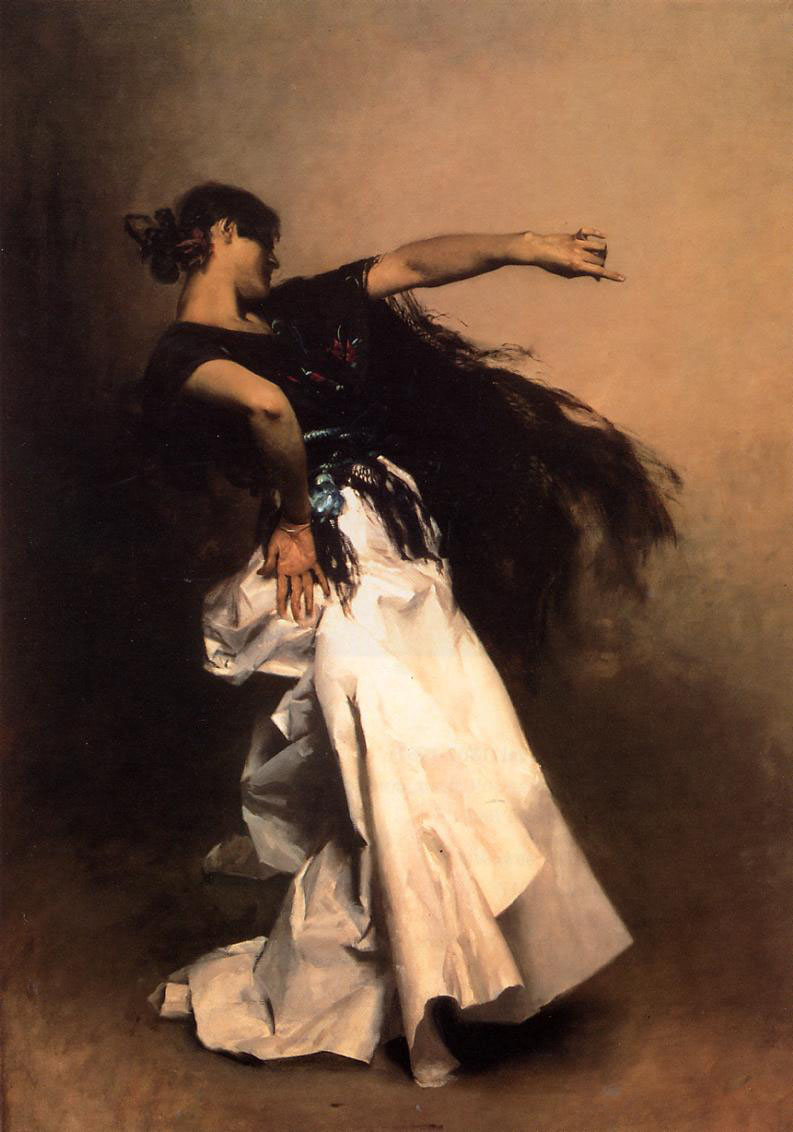 🇪🇸 SpainFlamenco
A dramatic dance and music tradition rooted in Andalusia's gitano and folk culturesFolk dance · Solo · Group
🇪🇸 SpainFlamenco
A dramatic dance and music tradition rooted in Andalusia's gitano and folk culturesFolk dance · Solo · Group
 🇦🇷 Argentina and 1 moreTango
A partner dance from the Río de la Plata, danced in close or open embraceSocial dance · Couple
🇦🇷 Argentina and 1 moreTango
A partner dance from the Río de la Plata, danced in close or open embraceSocial dance · Couple
 🇦🇹 Austria and 4 moreWaltz
A turning couple dance in triple time, first popular in 18th-century EuropeBallroom or Latin dance · Couple
🇦🇹 Austria and 4 moreWaltz
A turning couple dance in triple time, first popular in 18th-century EuropeBallroom or Latin dance · Couple
 🇮🇳 India and 1 moreFolk dance
Traditional group dances rooted in local life and passed down through generationsFolk dance · Group · Circle
🇮🇳 India and 1 moreFolk dance
Traditional group dances rooted in local life and passed down through generationsFolk dance · Group · Circle