
Azonto
A Ghanaian dance of mimed daily actions and playful gestures.
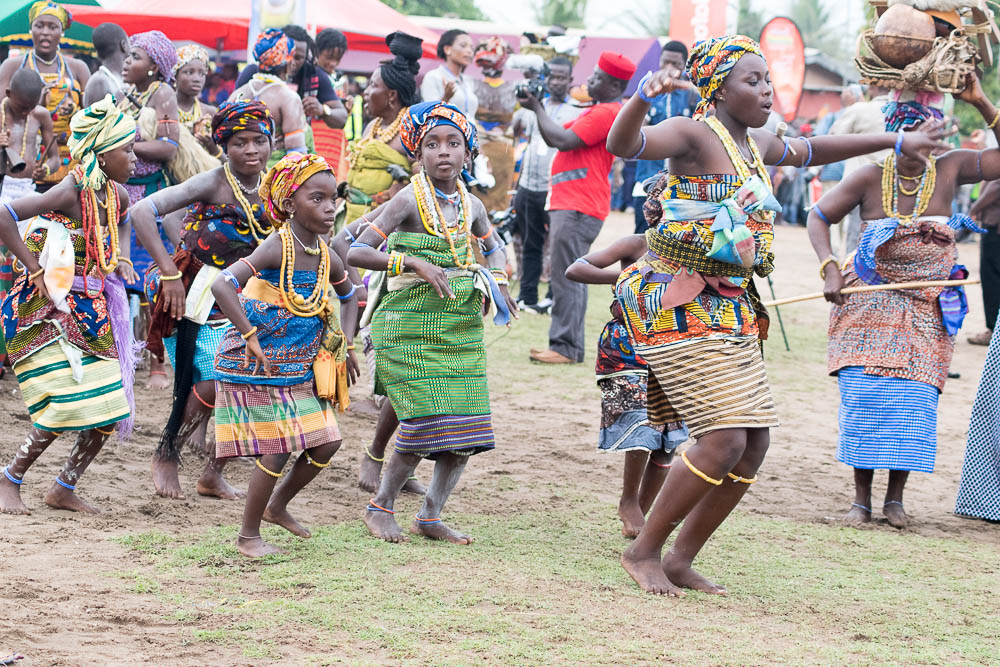
Azonto is a social dance from Ghana that evolved from the traditional Ga Kpanlogo. It uses stiff-legged pivots and flowing hand motions to mimic chores or tell coded stories.
Watch it dancedShare on WhatsApp
- Azonto mimics chores like ironing and washing.
- It evolved from the traditional Ga Apaa dance.
- YouTube videos sparked its international spread in 2011.
- Dancers pivot on one foot while slouching shoulders.
- Sarkodie and EL popularized it via 'U Go Kill Me'.
What is Azonto?
Azonto is a lively dance form from Ghana. It connects to older Ga traditions like Kpanlogo. Dancers move with one foot planted and the other on its ball. This stance allows for sharp pivots and twists. Shoulders slump while the head turns sideways. A smirk often crosses the face. Hands flow in circles below the waist. The movements mimic everyday tasks. They also serve as a way to amuse crowds.
Where does Azonto come from?
The dance likely began as 'Apaa,' meaning work. It originally signaled a person's profession. Over time, it became a communicative tool with coded messages. It grew out of coastal towns in the Greater Accra Region. Music videos in 2013 helped spread it across Africa. Diaspora communities also played a key role in its rise. Scholars note it represents both local identity and global style.
How is Azonto danced?
One foot stays stiff while the other supports weight on the ball. This enables twisting and turning. Hips bend and shift rhythmically. Hands move in smooth arcs around the body. They shift levels from head to waist. The dance started with simple steps. It has since grown into complex, almost acrobatic routines. Dancers mime actions like ironing or boxing.
Azonto, drawn
The music of Azonto
Azonto pairs with fast-paced music tracks. Songs like 'U Go Kill Me' fueled its popularity. Rappers Sarkodie and EL featured the dance. Producers like NshonnaMusick helped shape the sound. The tempo drives the energetic movements. Amateur videos often accompanied these songs online.
Costume and what is carried
Dancers wear casual clothing suitable for movement. No specific uniform is required. The focus remains on facial expressions and hand gestures. A defiant or flirtatious look completes the look.
When and where Azonto is danced
It is danced at social gatherings and performances. YouTube tutorials and competitions boosted its fame. Young Ghanaians posted amateur videos in 2011. These clips spread widely on Twitter and Facebook. Dance crews in the UK, Germany, and US also adopted it.
Styles of Azonto
Basic moves have evolved into complex sequences. Some versions include acrobatic elements. Regional styles may emphasize different mimes. The dance adapts to various music tempos and settings.
What Azonto means
Azonto reflects Ghanaian indigeneity abroad and cosmopolitanism at home. It serves as a cultural marker for diaspora communities. Online sharing created a global dance community. It appears frequently in modern Ghanaian music videos.
Questions people ask about Azonto
Where does Azonto come from?
It originates in Ghana, specifically the Greater Accra Region. It links to the Ga people's Kpanlogo tradition.
What do the hand movements mean?
They mimic daily activities like driving or praying. They also convey coded messages or simply amuse audiences.
How did Azonto become famous globally?
Amateur YouTube videos in 2011 went viral. Social media sharing and music videos spread it worldwide.
Is Azonto only for young people?
While popular among youth, anyone can dance it. It is a social form open to all ages and backgrounds.
Good reading and sources
- Azonto on WikipediaEncyclopedia
- More photos and video on Wikimedia CommonsPhotos and video
- Wikidata recordOpen data
- Videos of Azonto on YouTubeSearch results, not chosen by Ghungroo
The facts on this page come from the Wikipedia article "Azonto", written by its contributors and used under the CC BY-SA 4.0 licence, and from its Wikidata record (CC0). Ghungroo rewrote the text in its own words, with AI assistance, and compares every page with the article to make sure no passage is copied. It may be reused under the same CC BY-SA 4.0 licence with a link back.
It may contain mistakes, and it describes the dance in outline: it is not a lesson. Traditions differ from one teacher, village or family to the next. If something is wrong, tell us. Last refreshed 2026-10-03.
More from Ghana
All the dances of Ghana
Its cousins elsewhere
All folk dances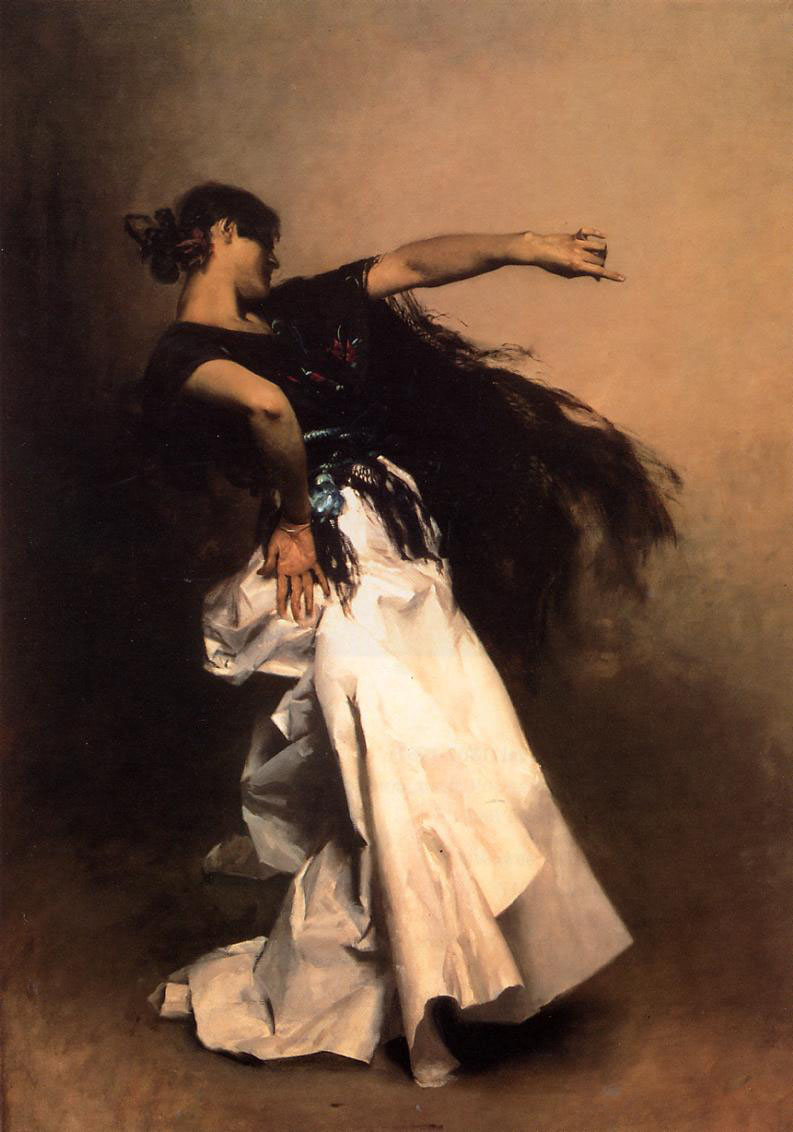 🇪🇸 SpainFlamenco
A dramatic dance and music tradition rooted in Andalusia's gitano and folk culturesFolk dance · Solo · Group
🇪🇸 SpainFlamenco
A dramatic dance and music tradition rooted in Andalusia's gitano and folk culturesFolk dance · Solo · Group
 🇦🇷 Argentina and 1 moreTango
A partner dance from the Río de la Plata, danced in close or open embraceSocial dance · Couple
🇦🇷 Argentina and 1 moreTango
A partner dance from the Río de la Plata, danced in close or open embraceSocial dance · Couple
 🇦🇹 Austria and 4 moreWaltz
A turning couple dance in triple time, first popular in 18th-century EuropeBallroom or Latin dance · Couple
🇦🇹 Austria and 4 moreWaltz
A turning couple dance in triple time, first popular in 18th-century EuropeBallroom or Latin dance · Couple
 🇮🇳 India and 1 moreFolk dance
Traditional group dances rooted in local life and passed down through generationsFolk dance · Group · Circle
🇮🇳 India and 1 moreFolk dance
Traditional group dances rooted in local life and passed down through generationsFolk dance · Group · Circle