
Bambuco
A Colombian couple dance in 6/8 or 3/4 time, rooted in the Andes.
Bambuco is a traditional music and dance form from Colombia. It originated in the Andean region during the nineteenth and twentieth centuries. Dancers perform stylized group movements to rhythms similar to the European waltz.
Watch it dancedShare on WhatsApp
- Originated in the Andean region of Colombia during the 19th and 20th centuries.
- Rhythm resembles the European waltz or polska rather than the polka.
- Danced in 6/8 or 3/4 meter time signatures.
- Cuatro Preguntas is ranked among the top Colombian songs of all time.
- Celebrated annually at the festival in Neiva.
What is Bambuco?
Bambuco serves as both a musical style and a corresponding dance tradition within Colombia. The choreography involves stylized group performances that move through specific rhythmic patterns. Listeners often compare the beat structure to the European waltz or polska, though it remains distinct from the polka. This art form has gained recognition across Latin America since its inception in the highlands.
Where does Bambuco come from?
The genre established itself culturally in the Andean region of Colombia between the nineteenth and twentieth centuries. Its stylistic roots draw from Basque folk traditions, the European waltz, and indigenous American music. Over time, the popularity expanded beyond its birthplace to influence neighboring cultures throughout Latin America. Subgenres such as Sanjuanero and Bambuco Fiestero emerged from this fusion.
How is Bambuco danced?
Performers execute a stylized group dance that aligns with the musical meter. The steps follow either a six-eight or three-four time signature, creating a flowing motion. While specific footwork details are not provided, the dance is characterized by its formal structure and coordination among participants. The movement reflects the hybrid origins of the music, blending local and foreign influences into a cohesive social expression.
Bambuco, drawn
The music of Bambuco
The genre relies on a metric structure comparable to the waltz or polska. Composers typically write pieces in either 6/8 or 3/4 meters to guide the dancers. A notable example is the song Cuatro Preguntas, which El Tiempo ranked eighth among the fifty best Colombian songs. The rhythm drives the accompanying dance, ensuring synchronization between the musicians and the performers.
Costume and what is carried
The sources do not describe specific attire, makeup, or props used by the dancers. Information regarding traditional dress or accessories for this performance style is unavailable in the provided material.
When and where Bambuco is danced
The dance is performed at cultural celebrations, most notably the Festival Folclórico y Reinado Nacional del Bambuco held in Neiva. This event highlights the music and dance as central elements of local heritage. The tradition also appears in broader social contexts throughout Latin America where Colombian culture is shared.
Styles of Bambuco
Several subgenres have developed within the bambuco tradition. These include Sanjuanero and Bambuco Fiestero, which offer different stylistic approaches to the core form. Additionally, fusion genres like Bambuco Jazz exist, showing how the traditional rhythm adapts to modern musical styles while retaining its foundational identity.
What Bambuco means
Bambuco holds significant status as a traditional genre in Colombia. Its inclusion in lists of national masterpieces underscores its importance to Colombian identity. The dance and music serve as a bridge between indigenous, European, and Afro-Colombian influences, reflecting the complex history of the Andean region.
Questions people ask about Bambuco
Where did bambuco originate?
It began in the Andean region of Colombia during the nineteenth and twentieth centuries, blending Basque, waltz, and indigenous influences.
What is the rhythm of bambuco?
The music uses a metric structure similar to the waltz or polska, typically written in 6/8 or 3/4 time for the accompanying dance.
Is bambuco only danced in Colombia?
While it originated in Colombia, the genre has spread in popularity throughout Latin America and is recognized in Venezuela as well.
When is bambuco performed?
It is featured at festivals like the one in Neiva and performed socially, often accompanied by famous tracks like Cuatro Preguntas.
Good reading and sources
- Bambuco on WikipediaEncyclopedia
- Wikidata recordOpen data
- Videos of Bambuco on YouTubeSearch results, not chosen by Ghungroo
The facts on this page come from the Wikipedia article "Bambuco", written by its contributors and used under the CC BY-SA 4.0 licence, and from its Wikidata record (CC0). Ghungroo rewrote the text in its own words, with AI assistance, and compares every page with the article to make sure no passage is copied. It may be reused under the same CC BY-SA 4.0 licence with a link back.
It may contain mistakes, and it describes the dance in outline: it is not a lesson. Traditions differ from one teacher, village or family to the next. If something is wrong, tell us. Last refreshed 2026-10-03.
More from Colombia
All the dances of Colombia 🇨🇺 Cuba and 2 moreSalsa
A lively partner dance with spins and footwork, danced to salsa music worldwideSocial dance · Couple · Solo
🇨🇺 Cuba and 2 moreSalsa
A lively partner dance with spins and footwork, danced to salsa music worldwideSocial dance · Couple · Solo
 🇪🇸 Spain and 5 morePasodoble
A dramatic Spanish partner dance set to march-like music, echoing the bullfightFolk dance · Couple · Group
🇪🇸 Spain and 5 morePasodoble
A dramatic Spanish partner dance set to march-like music, echoing the bullfightFolk dance · Couple · Group
 🇨🇴 Colombia and 1 moreCumbia
A circle dance from Colombia’s Caribbean coast, led by couples with candles and musicians in the centerFolk dance · Couple · Circle
🇨🇴 Colombia and 1 moreCumbia
A circle dance from Colombia’s Caribbean coast, led by couples with candles and musicians in the centerFolk dance · Couple · Circle
 🇻🇪 Venezuela and 1 moreJoropo
A fast-paced partner dance of the plains, featuring vigorous footwork and string instruments.Folk dance · Couple
🇻🇪 Venezuela and 1 moreJoropo
A fast-paced partner dance of the plains, featuring vigorous footwork and string instruments.Folk dance · Couple
Its cousins elsewhere
All folk dances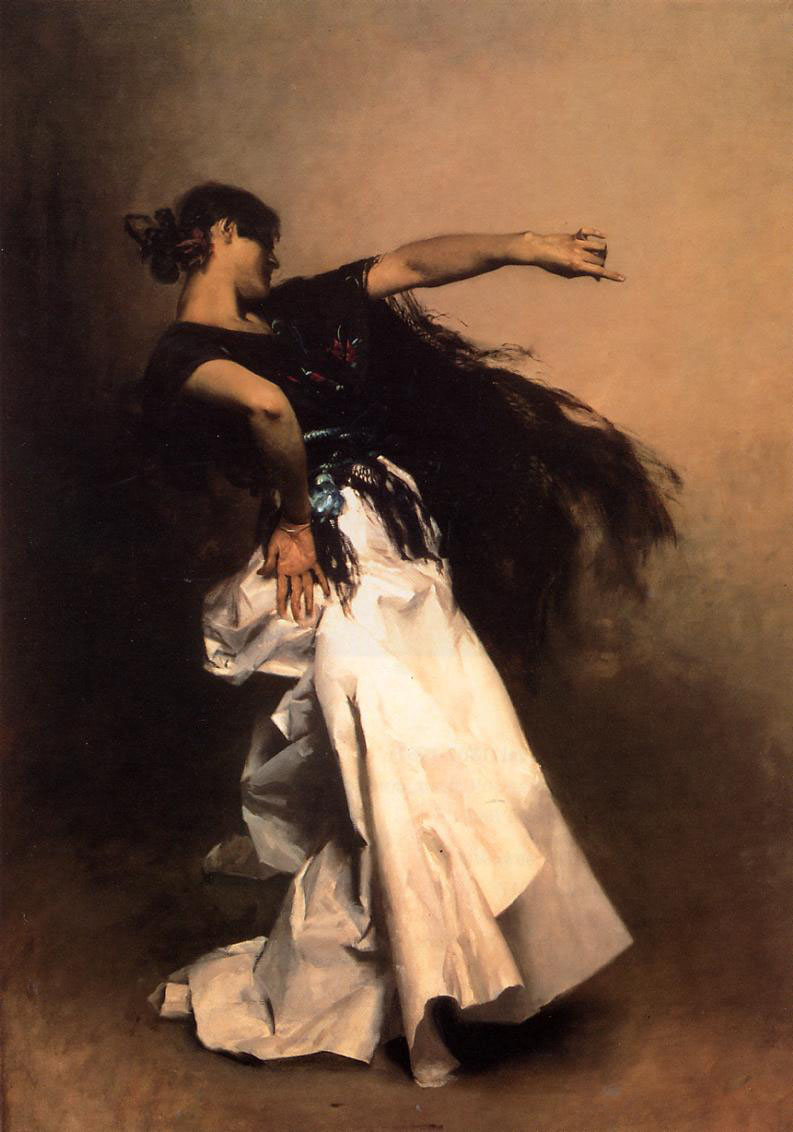 🇪🇸 SpainFlamenco
A dramatic dance and music tradition rooted in Andalusia's gitano and folk culturesFolk dance · Solo · Group
🇪🇸 SpainFlamenco
A dramatic dance and music tradition rooted in Andalusia's gitano and folk culturesFolk dance · Solo · Group
 🇦🇹 Austria and 4 moreWaltz
A turning couple dance in triple time, first popular in 18th-century EuropeBallroom or Latin dance · Couple
🇦🇹 Austria and 4 moreWaltz
A turning couple dance in triple time, first popular in 18th-century EuropeBallroom or Latin dance · Couple
 🇮🇳 India and 1 moreFolk dance
Traditional group dances rooted in local life and passed down through generationsFolk dance · Group · Circle
🇮🇳 India and 1 moreFolk dance
Traditional group dances rooted in local life and passed down through generationsFolk dance · Group · Circle
 🇪🇬 Egypt and 3 moreBelly danceرقص شرقي
A Middle Eastern dance focused on hip and torso articulation.Folk dance · Solo
🇪🇬 Egypt and 3 moreBelly danceرقص شرقي
A Middle Eastern dance focused on hip and torso articulation.Folk dance · Solo