
Belly dance
In its own language: رقص شرقي
A Middle Eastern dance focused on hip and torso articulation.
Belly dance is a Middle Eastern dance form defined by precise movements of the hips and torso. It originated in Egypt and surrounding regions, where it serves as both a social activity for communities and a professional performance art. The style has spread globally through cinema, migration, and pop culture.
Watch it dancedShare on WhatsApp
- Named after French term danse du ventre in 1864.
- Focuses on hip and torso muscle isolation.
- Popularized globally by Egyptian cinema stars.
- Shakira integrated it into Latin pop performances.
- Performed socially in Egypt at community gatherings.
What is Belly dance?
Belly dance, known locally as raqs sharqi, is a Middle Eastern dance centered on isolating the muscles of the torso and hips. Unlike Western styles that move limbs through space, this art emphasizes internal muscle control to create staccato or fluid motions. Dancers use their arms to frame these movements, creating elegant lines while interpreting musical rhythms. The dance appears in various forms, ranging from informal social gatherings to polished stage performances.
Where does Belly dance come from?
The dance has deep roots in Egyptian culture, with historical links to ancient Nile festivals described by Herodotus. European travelers in the 18th and 19th centuries documented Awalim and Ghawazi performers in Cairo. The term belly dance entered English in the late 1800s, influenced by French orientalist art. Professional traditions evolved within Ottoman courts and slave systems, where artists entertained elites. Modern styles were popularized worldwide through Egyptian cinema in the 20th century.
How is Belly dance danced?
Dancers execute percussive hits, drops, and twists of the hips, chest, and shoulders. Fluid sections involve continuous motion, using figures of eight and infinity loops to interpret melody. Shimmies provide texture through fast vibrations of the hips or ribcage. Arm gestures accentuate the body’s shape, while occasional kicks, turns, and backbends add variety. The focus remains on controlled isolation rather than large spatial travel.
Belly dance, drawn
The music of Belly dance
The dance accompanies modern classical Arabic music, known as al-jadid. Rhythms are driven by percussion instruments like the tablah and riq, which mark beats for staccato movements. Melodic instruments such as the oud and qanun support fluid sections. Dancers often improvise their steps to match instrumental solos and complex rhythmic patterns, requiring strong abdominal control to maintain precision.
Costume and what is carried
Traditional costumes vary by region but often feature decorated belts or hip scarves that highlight movement. In Egypt, professional dancers wore elaborate outfits popularized by cinema stars like Samia Gamal. Modern interpretations may include rope props, as seen in pop performances. Historical attire included garments suitable for social gatherings, while court dancers wore finer silks. Makeup and jewelry complement the visual impact of the torso isolations.


When and where Belly dance is danced
In Egypt, the dance functions as a social activity at celebrations, performed by people of all ages in everyday clothes. Events may be gender-segregated in conservative settings. Professionally, it is presented in theaters, casinos, and resorts for audiences. Training occurs in studios, workshops, and through family traditions. The dance maintains its cultural significance despite varying social perceptions across the Arab world.
Styles of Belly dance
Styles differ significantly between countries. Egyptian raqs baladi is an indigenous social form, while raqs sharqi covers professional stages. Turkish oryantal dans shows strong Romani influence. Colombian singer Shakira blended belly dance with Latin styles like salsa, creating a global pop variant. Other versions include ghawazee and awalim traditions, each with distinct costumes and movement vocabularies passed down through specific lineages.
What Belly dance means
Belly dance is integral to Egyptian identity and Arabic culture broadly. It faced restrictions in some modern Arab societies, where it was viewed as disreputable or outlawed. In the West, it gained fame through world fairs and orientalist art, though often misunderstood. The dance survived bans on foreign performers in Egypt during the early 2000s, maintaining authenticity through local masters. Today, it bridges traditional heritage and contemporary global entertainment.
Questions people ask about Belly dance
What does belly dance mean?
It translates from the French danse du ventre. Locally, it is called raqs sharqi, meaning oriental dance. The name highlights the focus on abdominal and hip movements rather than limb travel.
Where did belly dance originate?
It emerged from Egyptian culture, with historical ties to ancient Nile festivals. European travelers recorded Awalim and Ghawazi dancers in Cairo during the 18th and 19th centuries.
When is belly dance performed?
It is danced at social celebrations in Egypt by ordinary people. Professionals perform in theaters and resorts. It also appears in pop concerts and film productions worldwide.
Who dances belly dance?
Both men and women participate. In Egypt, it is a social activity for all ages. Professional stages feature trained artists, including male dancers who have increased in number recently.
What instruments accompany it?
Music includes tablah, riq, oud, and qanun. These instruments provide rhythms for percussive hits and melodies for fluid sections, allowing dancers to improvise their movements.
Good reading and sources
- Encyclopaedia BritannicaArticle
- ‘They said men aren’t allowed’: This male belly dancer is defying gender stereotypesScroll.in, Article
- Belly dance on WikipediaEncyclopedia
- More photos and video on Wikimedia CommonsPhotos and video
- Wikidata recordOpen data
- Videos of Belly dance on YouTubeSearch results, not chosen by Ghungroo
The facts on this page come from the Wikipedia article "Belly dance", written by its contributors and used under the CC BY-SA 4.0 licence, and from its Wikidata record (CC0). Ghungroo rewrote the text in its own words, with AI assistance, and compares every page with the article to make sure no passage is copied. It may be reused under the same CC BY-SA 4.0 licence with a link back.
It may contain mistakes, and it describes the dance in outline: it is not a lesson. Traditions differ from one teacher, village or family to the next. If something is wrong, tell us. Last refreshed 2026-10-03.
More from Egypt
All the dances of Egypt 🇪🇬 EgyptTahtibتحطيب
A stick-fighting martial art turned folk dance from Upper EgyptFolk dance · Solo · Couple
🇪🇬 EgyptTahtibتحطيب
A stick-fighting martial art turned folk dance from Upper EgyptFolk dance · Solo · Couple
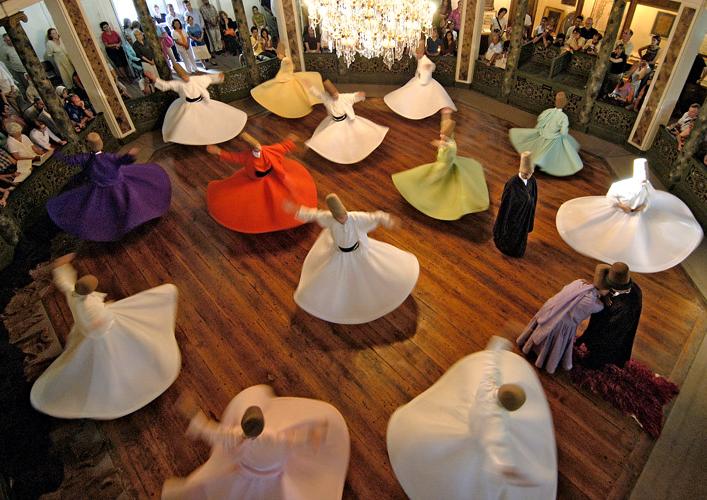 🇹🇷 Turkey and 3 moreSufi whirling
A meditative spinning dance practiced by Sufi dervishes during worship ceremoniesRitual dance · Solo · Group
🇪🇬 EgyptRaqs sharqiرقص شرقي
The classical Egyptian stage style of belly dance developed in the early twentieth century.Social dance · Solo
🇹🇷 Turkey and 3 moreSufi whirling
A meditative spinning dance practiced by Sufi dervishes during worship ceremoniesRitual dance · Solo · Group
🇪🇬 EgyptRaqs sharqiرقص شرقي
The classical Egyptian stage style of belly dance developed in the early twentieth century.Social dance · Solo
Its cousins elsewhere
All folk dances 🇵🇸 Palestine and 5 moreDabkeدبكة
A line and circle dance for celebrations across the LevantFolk dance · Circle · Line or chain
🇵🇸 Palestine and 5 moreDabkeدبكة
A line and circle dance for celebrations across the LevantFolk dance · Circle · Line or chain
 🇹🇷 Turkey and 4 moreHalay
A group dance in lines or circles, led by music or singing at weddings and celebrationsFolk dance · Circle · Line or chain
🇹🇷 Turkey and 4 moreHalay
A group dance in lines or circles, led by music or singing at weddings and celebrationsFolk dance · Circle · Line or chain
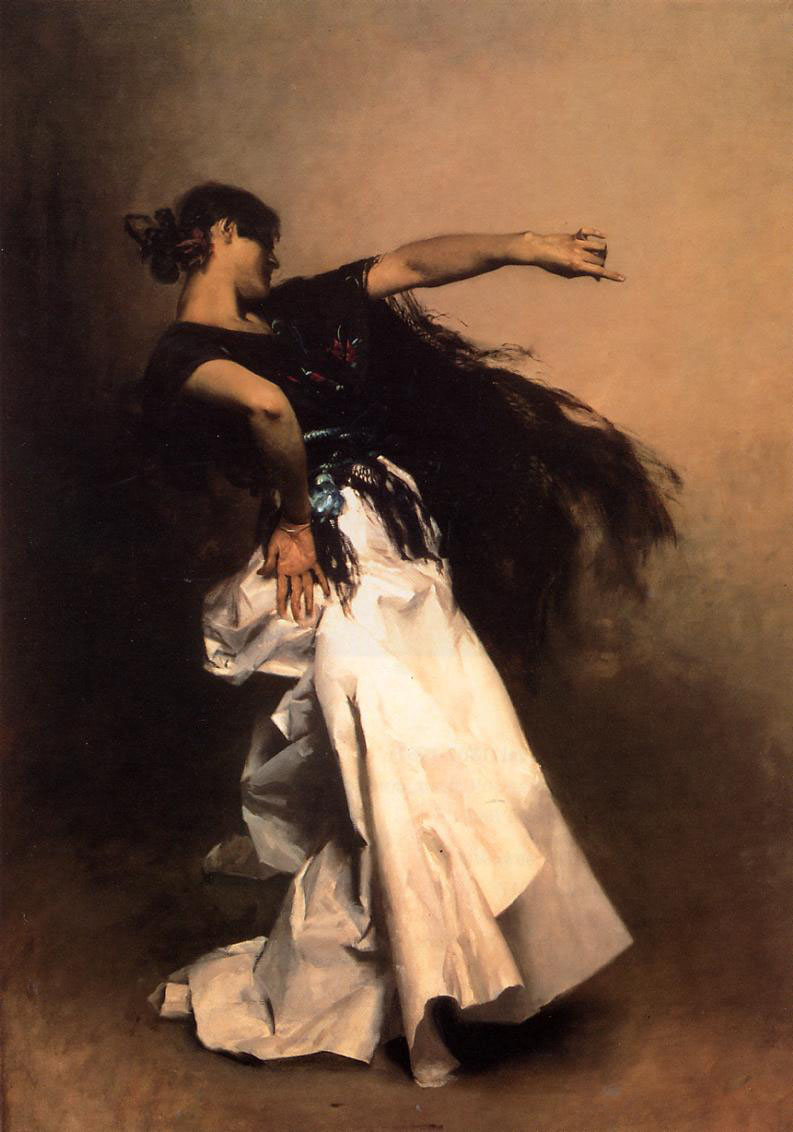 🇪🇸 SpainFlamenco
A dramatic dance and music tradition rooted in Andalusia's gitano and folk culturesFolk dance · Solo · Group
🇪🇸 SpainFlamenco
A dramatic dance and music tradition rooted in Andalusia's gitano and folk culturesFolk dance · Solo · Group
 🇦🇷 Argentina and 1 moreTango
A partner dance from the Río de la Plata, danced in close or open embraceSocial dance · Couple
🇦🇷 Argentina and 1 moreTango
A partner dance from the Río de la Plata, danced in close or open embraceSocial dance · Couple