
Carimbó
A hip-swaying dance from the Amazon delta, named for its signature drum.
Carimbó is a Brazilian folk dance born in Pará. Afro-Brazilian communities created it by blending African rhythms with Indigenous and Portuguese traditions. Dancers move to the beat of the hollow wooden drum.
Watch it dancedShare on WhatsApp
- Named after the drum that drives its rhythm.
- Born from Afro-Brazilian, Indigenous, and Portuguese mixes.
- Women spin and sway in wide, rounded skirts.
- Men retrieve handkerchiefs with their mouths.
- Registered as Intangible Cultural Heritage in 2014.
What is Carimbó?
Carimbó is a lively couple’s dance from northern Brazil. It features loose, sensual movements driven by side-to-side swaying and rapid spinning. The female dancer typically wears a wide, rounded skirt that accentuates her hip motions. Partners interact closely, often involving playful gestures like retrieving a dropped handkerchief. The music relies on the driving pulse of the namesake drum, creating an energetic atmosphere for social gatherings.
Where does Carimbó come from?
This tradition emerged in the 17th century among Afro-Brazilian communities in Pará. Enslaved Africans brought syncopated rhythms and the concept of molejo, or rhythmic sway. They merged these elements with Indigenous Amazonian circular dancing and maraca use, alongside Portuguese melodic patterns and formal attire influences. Over time, Caribbean styles like Cumbia also left their mark on the choreography.
How is Carimbó danced?
Dancers perform primarily through lateral shifts and rotational spins. The woman leads with pronounced hip articulations while wearing a flared skirt. Men often incorporate finger snapping into their posture. A distinctive interactive moment involves the woman tossing a handkerchief to the ground, which her partner must pick up using only his mouth. The formation remains intimate, focusing on the connection between two partners.
Carimbó, drawn
The music of Carimbó
The rhythm is anchored by the carimbó drum, a tall instrument played by sitting on its body. Artisans craft the shell from hollowed wood thinned by fire and cover it with animal hide. Traditional versions use this single percussion source, while modern stylized forms may include jazz-influenced instruments. Maracas add texture, and the tempo accelerates to match the dancers' energy.
Costume and what is carried
Female dancers wear large, rounded skirts designed to highlight hip movements. Male partners traditionally don suits and ties, reflecting Iberian influence. The handkerchief used in the retrieval game is a key prop. Drum makers select specific woods like mangrove or ipê, cutting them during low tide to prevent cracking, ensuring the instrument's durability and sound quality.

When and where Carimbó is danced
The dance is central to saint feast days, particularly those honoring Saint Benedict. It is also performed during entrudo, celebrations marking the end of harvests or workdays. Today, groups use Carimbó for community outreach, promoting matriarchal knowledge and LGBTQ+ rights. The style survives in radio broadcasts across northern states like Amapá and Pará.
Styles of Carimbó
Two main styles exist: Carimbó de Raiz, which uses traditional artisanal drums and sticks, and Carimbó Estilizado, which incorporates modern instruments and jazz influences. Regional types include praieiro from coastal areas, pastoril from ranching fields, and agrícola from agricultural zones. Modern derivatives like Lambada and Sirimbó evolved from these roots.
What Carimbó means
Carimbó was registered as Intangible Cultural Heritage of Brazil in 2014. It holds deep significance for local identity and has been reclaimed for social activism. Contemporary groups employ the dance to advocate for women's authority and queer rights. Its global reach expanded when the Lambada rhythm, derived from Belém's popular Carimbó, became an international hit in the late 1980s.
Questions people ask about Carimbó
Where did Carimbó originate?
It began in the 17th century in Pará, Brazil, specifically around Marajó island and Belém. Afro-Brazilian communities blended African, Indigenous, and Portuguese traditions to create this unique dance form.
What makes the dance movement distinct?
It features loose, sensual side-to-side swaying and rapid spinning. Women emphasize hip movements in wide skirts, while couples engage in playful interactions like the handkerchief retrieval game.
When is Carimbó traditionally danced?
It is performed during religious festivals for Saint Benedict and during entrudo, which marks harvest endings or breaks from field work. It serves both sacred and social purposes.
How is the music produced?
The primary instrument is the carimbó drum, made from hollowed wood and animal hide. Drummers sit on the instrument and strike it with their hands, providing the fast, syncopated beat.
Is Carimbó still relevant today?
Yes, it was declared Intangible Cultural Heritage in 2014. Modern groups use it for activism, promoting women's leadership and LGBTQ+ rights, while new rhythms like Lambada trace back to its beats.
Good reading and sources
- Carimbó on WikipediaEncyclopedia
- More photos and video on Wikimedia CommonsPhotos and video
- Wikidata recordOpen data
- Videos of Carimbó on YouTubeSearch results, not chosen by Ghungroo
The facts on this page come from the Wikipedia article "Carimbó", written by its contributors and used under the CC BY-SA 4.0 licence, and from its Wikidata record (CC0). Ghungroo rewrote the text in its own words, with AI assistance, and compares every page with the article to make sure no passage is copied. It may be reused under the same CC BY-SA 4.0 licence with a link back.
It may contain mistakes, and it describes the dance in outline: it is not a lesson. Traditions differ from one teacher, village or family to the next. If something is wrong, tell us. Last refreshed 2026-10-03.
More from Brazil
All the dances of Brazil 🇧🇷 BrazilCapoeira
A Brazilian martial art that blends dance, acrobatics, and music in a circle gameWar or martial dance · Circle · Solo
🇧🇷 BrazilCapoeira
A Brazilian martial art that blends dance, acrobatics, and music in a circle gameWar or martial dance · Circle · Solo
 🇧🇷 BrazilMaracatu
A parade of drums, song and royal court figures from Pernambuco, BrazilFolk dance · Procession · Group
🇧🇷 BrazilSamba-reggae
A Carnival street dance from Bahia, led by drummers and rooted in Afro-Brazilian prideFolk dance · Group · Procession
🇧🇷 BrazilMaracatu
A parade of drums, song and royal court figures from Pernambuco, BrazilFolk dance · Procession · Group
🇧🇷 BrazilSamba-reggae
A Carnival street dance from Bahia, led by drummers and rooted in Afro-Brazilian prideFolk dance · Group · Procession
 🇳🇬 Nigeria and 1 moreEgungunEgúngún
A Yoruba ancestor masquerade where robed dancers embody the spirits of the dead.Ritual dance · Group · Procession
🇳🇬 Nigeria and 1 moreEgungunEgúngún
A Yoruba ancestor masquerade where robed dancers embody the spirits of the dead.Ritual dance · Group · Procession
Its cousins elsewhere
All folk dances 🇵🇷 Puerto RicoPlena
A Puerto Rican folk dance and music genre born in Ponce around 1900.Folk dance · Group
🇵🇷 Puerto RicoPlena
A Puerto Rican folk dance and music genre born in Ponce around 1900.Folk dance · Group
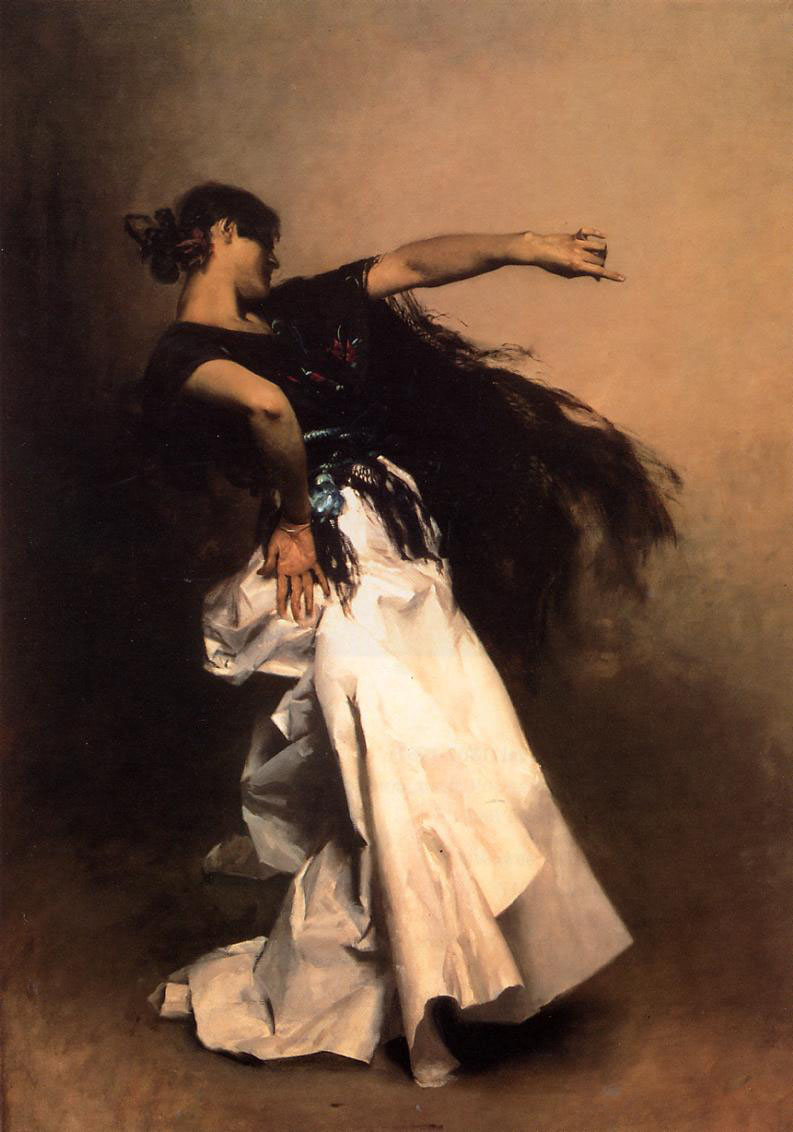 🇪🇸 SpainFlamenco
A dramatic dance and music tradition rooted in Andalusia's gitano and folk culturesFolk dance · Solo · Group
🇪🇸 SpainFlamenco
A dramatic dance and music tradition rooted in Andalusia's gitano and folk culturesFolk dance · Solo · Group
 🇦🇹 Austria and 4 moreWaltz
A turning couple dance in triple time, first popular in 18th-century EuropeBallroom or Latin dance · Couple
🇦🇹 Austria and 4 moreWaltz
A turning couple dance in triple time, first popular in 18th-century EuropeBallroom or Latin dance · Couple
 🇮🇳 India and 1 moreFolk dance
Traditional group dances rooted in local life and passed down through generationsFolk dance · Group · Circle
🇮🇳 India and 1 moreFolk dance
Traditional group dances rooted in local life and passed down through generationsFolk dance · Group · Circle