Samba-reggae
A Carnival street dance from Bahia, led by drummers and rooted in Afro-Brazilian pride
Samba-reggae is a group dance from Bahia, Brazil, created by Afro-Brazilian communities in Salvador. It blends samba and Jamaican reggae rhythms, with large percussion ensembles leading dancers in parades and on stage. The dance often follows a leader, with drummers and dancers performing choreographed moves, especially during Carnival and community celebrations.
Watch it dancedShare on WhatsApp
- Created by Afro-Brazilians in Salvador, Bahia
- Danced in large groups during Carnival parades
- Drummers and dancers perform choreographed moves together
- Music blends samba and reggae rhythms
- Olodum and Ilê Aiyê are key pioneering groups
What is Samba-reggae?
Samba-reggae is a dance and music style from Bahia, Brazil, shaped by Afro-Brazilian communities. It is performed in large groups, often in Carnival parades or on stage, with dozens or even hundreds of drummers and dancers. The dance draws on Afro-Brazilian and Candomblé movement, with a strong follow-the-leader element. Drummers and dancers both perform choreographed steps, sometimes tossing their drums or mallets in the air, making for a striking visual display.
Where does Samba-reggae come from?
Samba-reggae grew out of Salvador’s black pride movement in the late 20th century. Afro-Brazilians in Bahia created it as a response to exclusion from mainstream Carnival groups, blending samba with reggae and Caribbean rhythms. The first major group, Ilê Aiyê, formed in 1974, followed by Olodum in 1979, each adding their own innovations. The genre became a symbol of community and identity, with music and dance reflecting African heritage and social themes.
How is Samba-reggae danced?
Dancers in samba-reggae often follow a leader at the front, copying moves in a line or group. The steps are influenced by Afro-Brazilian and Candomblé dance, with flowing arm movements, hip sways, and rhythmic footwork. Drummers themselves dance as they play, especially the surdo players, who may lift or toss their drums and mallets. Choreography is common, with short routines highlighting the connection between music and movement.
Samba-reggae, drawn
The music of Samba-reggae
Samba-reggae music is built on interlocking drum patterns, especially from surdos (large bass drums), repiniques (high-pitched drums), and caixas (snares). The rhythm is in 2/4 time and played at a moderate tempo, with a reggae-like backbeat. Bands can include over 100 drummers, plus singers and other instruments like timbal, atabaque, agogô, pandeiro, and cavaquinho. The sound is powerful, syncopated, and designed for outdoor parades.
Costume and what is carried
Performers usually wear bright, coordinated outfits that reflect the colors and symbols of their bloco (parade group). Drummers carry their instruments with waist straps, and the surdos are worn low. Costumes may include African-inspired patterns, headbands, and accessories, but the main visual focus is on the movement of drums and mallets during the dance.
When and where Samba-reggae is danced
Samba-reggae is most often performed during Carnival in Bahia, especially in Salvador, but also appears at community events, stage shows, and festivals. The dance is open to anyone, with both drummers and non-drummers joining in. Many groups serve as community organizations, teaching music and dance to new generations.
Styles of Samba-reggae
Different groups have their own styles. Ilê Aiyê’s version is slower and avoids high-pitched percussion, while Olodum introduced rapid repinique rolls and a more driving rhythm. Timbalada revived the use of the timbal drum and created new stage setups. Some groups combine samba-reggae with other Caribbean rhythms or pop music, leading to styles like Axé.
What Samba-reggae means
Samba-reggae is a symbol of Afro-Brazilian identity and pride, rooted in the history of African descendants in Bahia. It was created as a response to exclusion and became a way for communities to celebrate heritage and resist discrimination. The music and dance are closely tied to social and political messages, and many groups are active in community development and cultural education.
Questions people ask about Samba-reggae
Where does samba-reggae come from?
Samba-reggae originated in Salvador, Bahia, Brazil, developed by Afro-Brazilian communities in the late 20th century as a blend of samba and Jamaican reggae.
When is samba-reggae danced?
It is most often danced during Carnival in Bahia, especially in Salvador, but also at community events, stage performances, and festivals.
Who can dance samba-reggae?
Anyone can join in samba-reggae dancing, with both drummers and non-drummers participating in parades and performances.
What does samba-reggae look and sound like?
It features large groups of drummers and dancers moving together, with strong, syncopated rhythms and choreographed steps, often including dramatic drum and mallet movements.
What instruments are used in samba-reggae?
The main instruments are surdo, repinique, caixa, timbal, atabaque, agogô, pandeiro, and cavaquinho, with a focus on powerful percussion.
Good reading and sources
- Samba reggae on WikipediaEncyclopedia
- Wikidata recordOpen data
- Videos of Samba-reggae on YouTubeSearch results, not chosen by Ghungroo
The facts on this page come from the Wikipedia article "Samba reggae", written by its contributors and used under the CC BY-SA 4.0 licence, and from its Wikidata record (CC0). Ghungroo rewrote the text in its own words, with AI assistance, and compares every page with the article to make sure no passage is copied. It may be reused under the same CC BY-SA 4.0 licence with a link back.
It may contain mistakes, and it describes the dance in outline: it is not a lesson. Traditions differ from one teacher, village or family to the next. If something is wrong, tell us. Last refreshed 2026-10-03.
More from Brazil
All the dances of Brazil 🇧🇷 BrazilCapoeira
A Brazilian martial art that blends dance, acrobatics, and music in a circle gameWar or martial dance · Circle · Solo
🇧🇷 BrazilCapoeira
A Brazilian martial art that blends dance, acrobatics, and music in a circle gameWar or martial dance · Circle · Solo
 🇳🇬 Nigeria and 1 moreEgungunEgúngún
A Yoruba ancestor masquerade where robed dancers embody the spirits of the dead.Ritual dance · Group · Procession
🇳🇬 Nigeria and 1 moreEgungunEgúngún
A Yoruba ancestor masquerade where robed dancers embody the spirits of the dead.Ritual dance · Group · Procession
 🇧🇷 BrazilMaracatu
A parade of drums, song and royal court figures from Pernambuco, BrazilFolk dance · Procession · Group
🇧🇷 BrazilMaracatu
A parade of drums, song and royal court figures from Pernambuco, BrazilFolk dance · Procession · Group
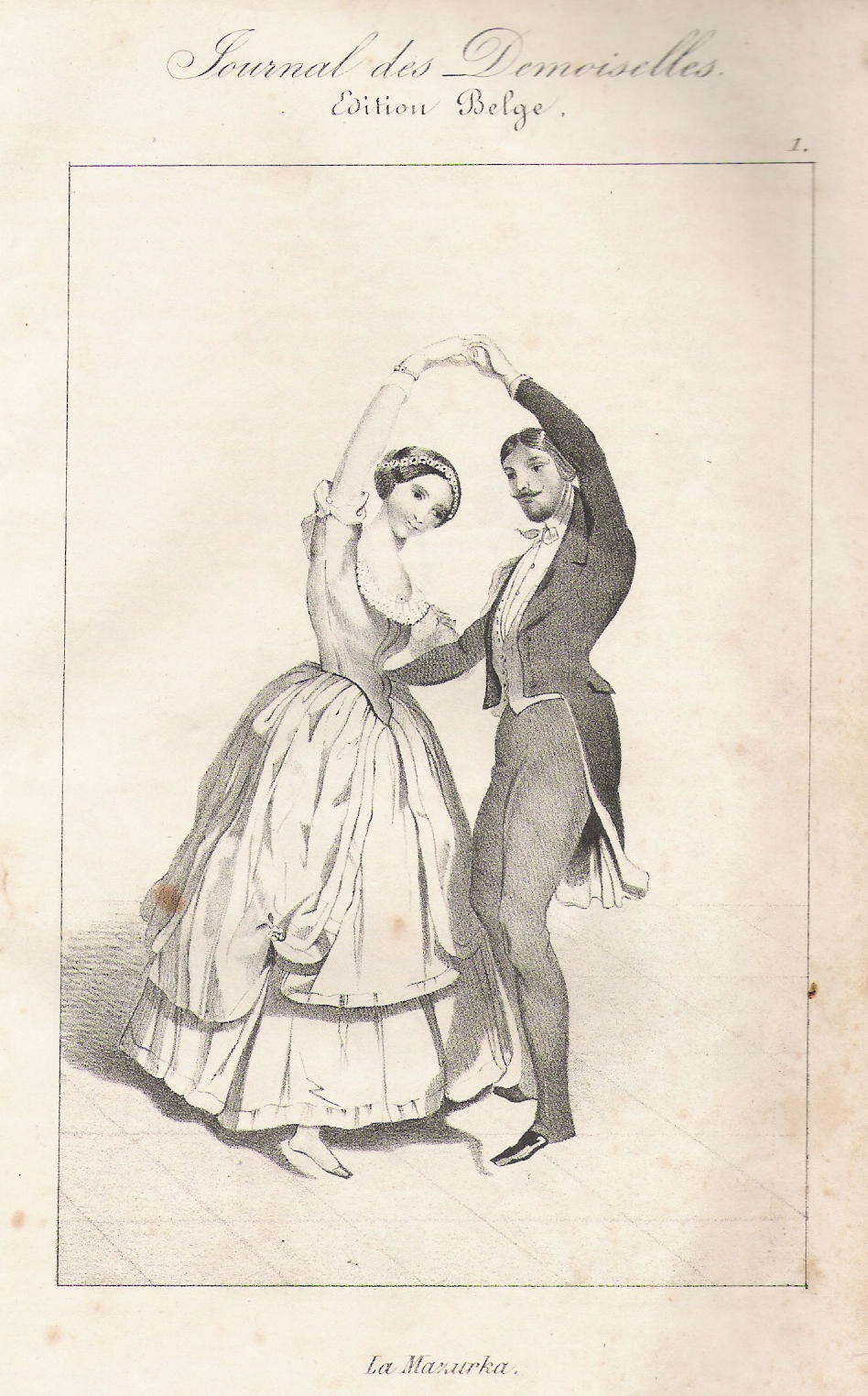 🇵🇱 Poland and 5 moreMazurka
A lively Polish folk dance in triple time, known for its shifting accentsFolk dance · Couple · Group
🇵🇱 Poland and 5 moreMazurka
A lively Polish folk dance in triple time, known for its shifting accentsFolk dance · Couple · Group
Its cousins elsewhere
All folk dances 🇨🇻 Cape VerdeColadeirakoladera
A Cape Verdean ballroom dance in pairs, performed to a lively two-beat song.Ballroom or Latin dance · Couple
🇨🇻 Cape VerdeColadeirakoladera
A Cape Verdean ballroom dance in pairs, performed to a lively two-beat song.Ballroom or Latin dance · Couple
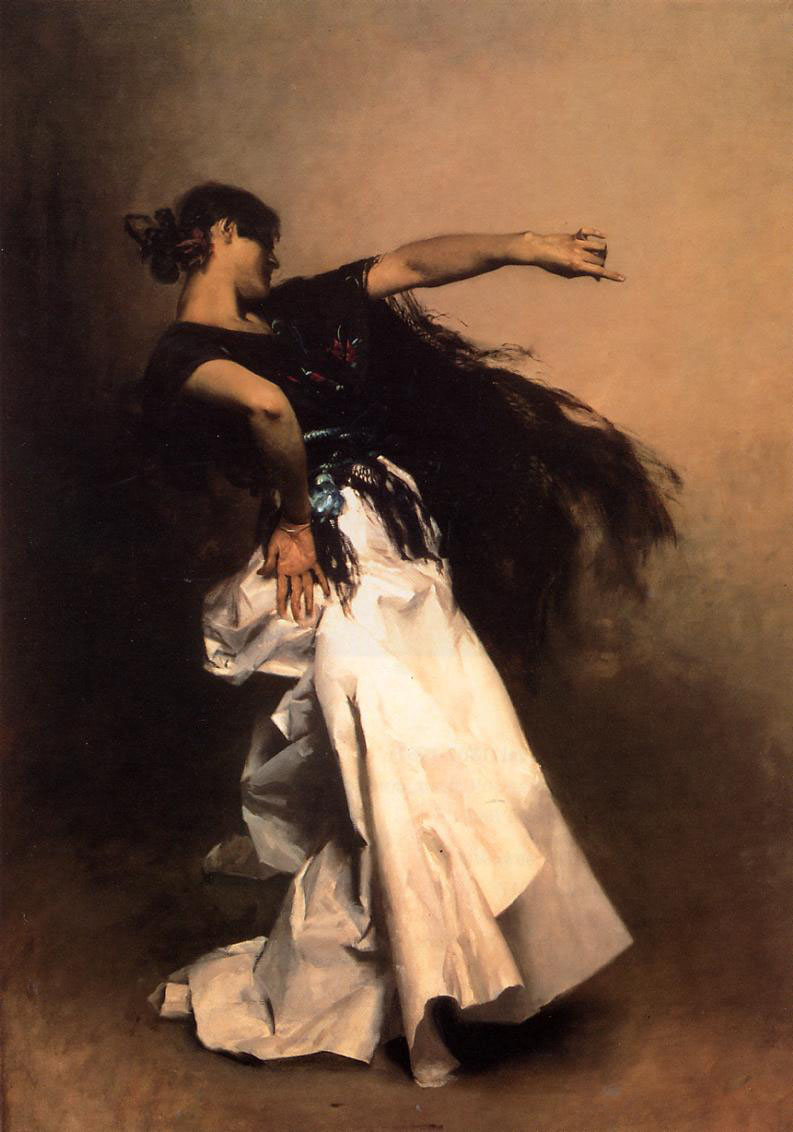 🇪🇸 SpainFlamenco
A dramatic dance and music tradition rooted in Andalusia's gitano and folk culturesFolk dance · Solo · Group
🇪🇸 SpainFlamenco
A dramatic dance and music tradition rooted in Andalusia's gitano and folk culturesFolk dance · Solo · Group
 🇦🇹 Austria and 4 moreWaltz
A turning couple dance in triple time, first popular in 18th-century EuropeBallroom or Latin dance · Couple
🇦🇹 Austria and 4 moreWaltz
A turning couple dance in triple time, first popular in 18th-century EuropeBallroom or Latin dance · Couple
 🇮🇳 India and 1 moreFolk dance
Traditional group dances rooted in local life and passed down through generationsFolk dance · Group · Circle
🇮🇳 India and 1 moreFolk dance
Traditional group dances rooted in local life and passed down through generationsFolk dance · Group · Circle