
Chaap
In its own language: چاپ
A clapping folk dance of the Baloch people performed in circles to traditional instruments.
Chaap is a traditional folk dance of the Baloch people in Balochistan. Dancers form large circles and clap rhythmically while moving to music played on instruments like the sorna and dohol.
Watch it dancedShare on WhatsApp
- Chaap means clapping in Balochi.
- Dancers form circles and clap rhythmically.
- Variations include do chapi and say chapi.
- Instruments include sorna and dohol.
- Performed by the Baloch people in Balochistan.
What is Chaap?
Chaap is a folk dance practiced by the Baloch community in Balochistan. The name comes from the Balochi word for clapping. Participants arrange themselves in large circles. They move together while keeping a steady rhythmic beat with their hands. The dance separates men and women into different groups or allows them to dance together. It relies heavily on hand percussion rather than complex footwork.
Where does Chaap come from?
The dance originates from the Baloch people. It is deeply embedded in their cultural identity. The term chaap translates directly to clapping. Other local dances also feature similar clapping styles. Each variation has unique body movements within the circle structure. The tradition has been passed down through generations as a social activity.
How is Chaap danced?
Dancers stand in a circle and clap in time with the music. The pattern often depends on specific groupings of beats. Do chapi involves two-clap cycles. Say chapi uses three-clap cycles. Char chapi follows four-clap cycles. Men and women may dance separately or together. Women sometimes take two steps back before repeating their movement in the circle. Some versions include holding sticks or swords.
Chaap, drawn
The music of Chaap
The performance accompanies traditional Baloch music. Key instruments include the sorna and dohol. These provide the primary rhythm and melody. Additional sounds come from nar sur, suroz, naal, and taboora. The instruments create a driving beat that matches the clapping patterns. The music guides the circular movement of the dancers.
Costume and what is carried
Specific costume details are not provided in the sources. Dancers wear traditional attire associated with the Baloch community. The focus remains on the rhythmic clapping and circular formation rather than elaborate dress.


When and where Chaap is danced
The dance is performed during social gatherings. It serves as a communal activity for the Baloch people. Groups form circles to celebrate or entertain. The dance is inclusive, allowing both men and women to participate. It reflects the shared heritage of the region.
Styles of Chaap
Several types exist based on clap counts. Do chapi focuses on two-beat cycles. Say chapi uses three-beat cycles. Char chapi employs four-beat cycles. Other forms include baloch lewa, hambo, and latti. Each variant maintains the core circular clapping structure but differs in rhythm and accompanying props.
What Chaap means
Chaap represents an important part of Baloch folklore. It reinforces community bonds through shared movement. The dance is recognized as a key element of Balochistan's cultural heritage. It distinguishes itself through its reliance on hand percussion and circular formations.
Questions people ask about Chaap
What does Chaap mean?
Chaap translates to clapping in the Balochi language. It describes the central action of the dance where participants keep rhythm with their hands.
Where is Chaap danced?
It is a traditional folk dance of the Baloch people. It is primarily performed in the region of Balochistan across Pakistan, Iran, and Afghanistan.
How are the dancers arranged?
Participants form large circles. They move together while clapping. Men and women may dance separately or together depending on the occasion.
What instruments accompany it?
The dance features traditional Baloch music. Key instruments include the sorna, dohol, nar sur, suroz, naal, and taboora.
Good reading and sources
- Chaap on WikipediaEncyclopedia
- Wikidata recordOpen data
- Videos of Chaap on YouTubeSearch results, not chosen by Ghungroo
The facts on this page come from the Wikipedia article "Chaap", written by its contributors and used under the CC BY-SA 4.0 licence, and from its Wikidata record (CC0). Ghungroo rewrote the text in its own words, with AI assistance, and compares every page with the article to make sure no passage is copied. It may be reused under the same CC BY-SA 4.0 licence with a link back.
It may contain mistakes, and it describes the dance in outline: it is not a lesson. Traditions differ from one teacher, village or family to the next. If something is wrong, tell us. Last refreshed 2026-10-04.
More from Pakistan
All the dances of Pakistan 🇮🇳 India and 2 moreGiddhaਗਿੱਧਾ
A Punjabi women's folk dance in a singing, clapping circleFolk dance · Circle
🇦🇫 Afghanistan and 2 moreAttanاتڼ
A fast-paced circle dance of the Pashtun people, performed at celebrations and gatheringsFolk dance · Circle · Group
🇮🇳 India and 2 moreGiddhaਗਿੱਧਾ
A Punjabi women's folk dance in a singing, clapping circleFolk dance · Circle
🇦🇫 Afghanistan and 2 moreAttanاتڼ
A fast-paced circle dance of the Pashtun people, performed at celebrations and gatheringsFolk dance · Circle · Group
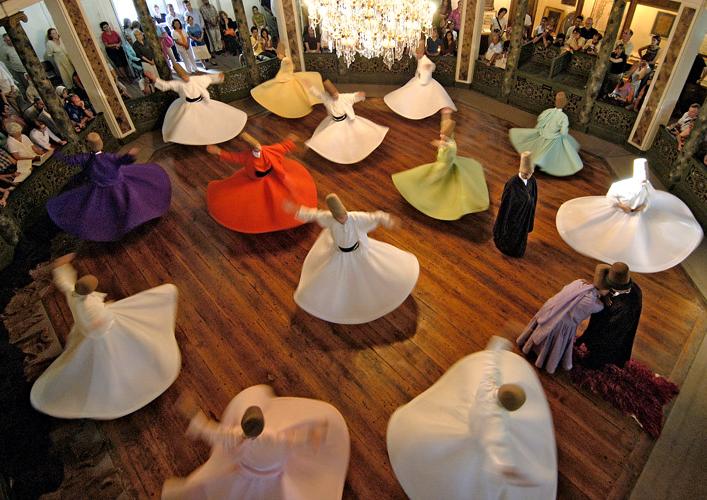 🇹🇷 Turkey and 3 moreSufi whirling
A meditative spinning dance practiced by Sufi dervishes during worship ceremoniesRitual dance · Solo · Group
🇹🇷 Turkey and 3 moreSufi whirling
A meditative spinning dance practiced by Sufi dervishes during worship ceremoniesRitual dance · Solo · Group
 🇮🇳 India and 1 morePunjabi folk dance
Folk, social, and martial dances native to the Punjab region of India and PakistanFolk dance · Circle · Couple
🇮🇳 India and 1 morePunjabi folk dance
Folk, social, and martial dances native to the Punjab region of India and PakistanFolk dance · Circle · Couple
Its cousins elsewhere
All folk dances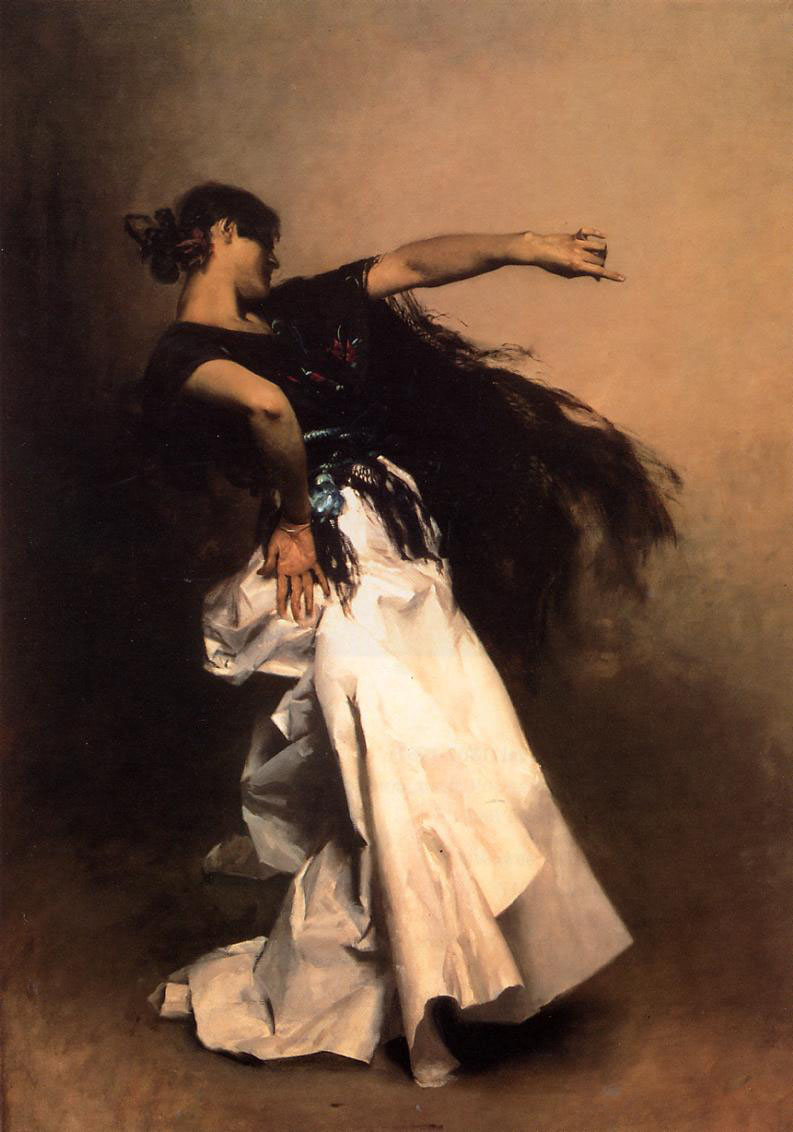 🇪🇸 SpainFlamenco
A dramatic dance and music tradition rooted in Andalusia's gitano and folk culturesFolk dance · Solo · Group
🇪🇸 SpainFlamenco
A dramatic dance and music tradition rooted in Andalusia's gitano and folk culturesFolk dance · Solo · Group
 🇦🇷 Argentina and 1 moreTango
A partner dance from the Río de la Plata, danced in close or open embraceSocial dance · Couple
🇦🇷 Argentina and 1 moreTango
A partner dance from the Río de la Plata, danced in close or open embraceSocial dance · Couple
 🇦🇹 Austria and 4 moreWaltz
A turning couple dance in triple time, first popular in 18th-century EuropeBallroom or Latin dance · Couple
🇦🇹 Austria and 4 moreWaltz
A turning couple dance in triple time, first popular in 18th-century EuropeBallroom or Latin dance · Couple
 🇧🇷 BrazilCapoeira
A Brazilian martial art that blends dance, acrobatics, and music in a circle gameWar or martial dance · Circle · Solo
🇧🇷 BrazilCapoeira
A Brazilian martial art that blends dance, acrobatics, and music in a circle gameWar or martial dance · Circle · Solo