
Chhau
A martial and folk dance with masks, performed in eastern India during spring festivals
Chhau is a semi-classical dance from eastern India, rooted in martial, folk, and tribal traditions. Performed mainly by men in West Bengal, Jharkhand, and Odisha, it features three styles, two of which use elaborate masks. Chhau is danced at night during spring festivals, enacting stories from Hindu epics and local legends.
Watch it dancedShare on WhatsApp
- Chhau is performed mainly by men in eastern India.
- Purulia and Seraikella styles use large, painted masks.
- Stories from the Ramayana and Mahabharata are enacted.
- Chhau is danced at night during spring festivals.
- Recognized by UNESCO as intangible cultural heritage.
What is Chhau?
Chhau is a dance performed mainly by men in eastern India, especially in West Bengal, Jharkhand, and Odisha. It blends martial arts, acrobatics, and folk storytelling, often using large, colorful masks to represent characters from Hindu epics and local tales. The dance is usually presented by groups in open spaces at night, accompanied by traditional drums and reed instruments. Movements can be athletic or graceful, with some styles imitating animals or daily village life.
Where does Chhau come from?
Chhau developed in the border regions of West Bengal, Jharkhand, and Odisha, with each area giving rise to its own style. Its roots are in martial training, folk celebration, and tribal customs, and it may have emerged from a mix of classical Hindu dance and local traditions. The name 'Chhau' may come from words meaning shadow, mask, or disguise, reflecting its use of masks and dramatic storytelling. Over time, Chhau has become a community event, bringing together people from different backgrounds.
How is Chhau danced?
Chhau dancers use a mix of martial stances, leaps, and stylized steps. Some movements mimic combat, while others draw on animal walks or daily chores. In the Purulia and Seraikella styles, masks cover the face, so dancers rely on body language and gesture to show emotion. Mayurbhanj Chhau, performed without masks, uses facial expression along with movement. Dancers perform in groups, sometimes acting out scenes from epics, with roles clearly marked by costume and mask.
Chhau, drawn
The music of Chhau
The music for Chhau is played live, using reed pipes like the mohuri and shehnai, and a range of drums such as the dhol, dhumsa, and kharka. The rhythm is lively and supports both the martial and graceful parts of the dance. The music ensemble sets the pace and mood, helping dancers keep time and adding excitement to the performance. Songs and melodies often match the story being enacted.
Costume and what is carried
Costumes in Chhau vary by style. Purulia and Seraikella dancers wear large, painted masks shaped to show gods, animals, or heroes, along with matching costumes. These masks are made by local artisans using layers of paper and clay, then painted and decorated. Mayurbhanj Chhau dancers do not use masks, allowing for facial expression. All styles use colorful clothing suited to the character, and some roles require animal-like costumes.


When and where Chhau is danced
Chhau is most often performed during spring festivals, especially Chaitra Parva and the Sun festival, in the regions where it developed. Dances take place at night in open-air spaces, with the whole community taking part as dancers, musicians, or audience. Training is passed down orally, with local teachers guiding new performers. State institutions also support Chhau through training centers and sponsored festivals.
Styles of Chhau
There are three main styles: Purulia Chhau (West Bengal), Seraikella Chhau (Jharkhand), and Mayurbhanj Chhau (Odisha). Purulia and Seraikella use masks, but Mayurbhanj does not. Each style has its own way of moving and telling stories, shaped by local history and customs. The Seraikella style was once performed by nobility, while today all backgrounds take part. Mask-making and dance techniques are unique to each region.
What Chhau means
Chhau is a source of local pride and identity in eastern India. It is recognized by UNESCO as part of the world's intangible cultural heritage. The dance brings together people from many walks of life in celebration and worship, especially during spring. Mask-making is a valued craft, and the Purulia mask has a protected status. Chhau is also seen in Indian films and documentaries, helping to keep the tradition alive.
Days Chhau is danced for
Questions people ask about Chhau
Where does Chhau come from?
Chhau comes from eastern India, especially the regions of Purulia in West Bengal, Seraikela in Jharkhand, and Mayurbhanj in Odisha.
When is Chhau usually performed?
Chhau is mainly performed during spring festivals, such as Chaitra Parva and the Sun festival, often at night in open spaces.
Who performs Chhau?
Traditionally, Chhau is performed by all-male troupes, though people from various backgrounds now take part.
What stories are told in Chhau dance?
Chhau dancers act out episodes from Hindu epics like the Ramayana and Mahabharata, as well as local legends and folklore.
Why do some Chhau dancers wear masks?
In the Purulia and Seraikella styles, dancers wear masks to show different characters, while Mayurbhanj Chhau does not use masks.
Good reading and sources
- Chhau on WikipediaEncyclopedia
- More photos and video on Wikimedia CommonsPhotos and video
- Wikidata recordOpen data
- Videos of Chhau on YouTubeSearch results, not chosen by Ghungroo
The facts on this page come from the Wikipedia article "Chhau", written by its contributors and used under the CC BY-SA 4.0 licence, and from its Wikidata record (CC0). Ghungroo rewrote the text in its own words, with AI assistance, and compares every page with the article to make sure no passage is copied. It may be reused under the same CC BY-SA 4.0 licence with a link back.
It may contain mistakes, and it describes the dance in outline: it is not a lesson. Traditions differ from one teacher, village or family to the next. If something is wrong, tell us. Last refreshed 2026-10-03.
More from India
All the dances of India 🇮🇳 India and 1 moreFolk dance
Traditional group dances rooted in local life and passed down through generationsFolk dance · Group · Circle
🇮🇳 IndiaPaika akhada
A martial dance with swords and shields from Odisha, rooted in warrior trainingWar or martial dance · Group · Line or chain
🇮🇳 India and 1 moreFolk dance
Traditional group dances rooted in local life and passed down through generationsFolk dance · Group · Circle
🇮🇳 IndiaPaika akhada
A martial dance with swords and shields from Odisha, rooted in warrior trainingWar or martial dance · Group · Line or chain
 🇮🇳 IndiaDhunuchi nritya
A dance with incense burners during Durga Puja in BengalFolk dance · Solo · Group
🇮🇳 IndiaDhunuchi nritya
A dance with incense burners during Durga Puja in BengalFolk dance · Solo · Group
 🇮🇳 IndiaRamlilaरामलीला
A folk drama of the Ramayana, staged outdoors during Navaratri and DussehraFolk dance · Group · Procession
🇮🇳 IndiaRamlilaरामलीला
A folk drama of the Ramayana, staged outdoors during Navaratri and DussehraFolk dance · Group · Procession
Its cousins elsewhere
All folk dances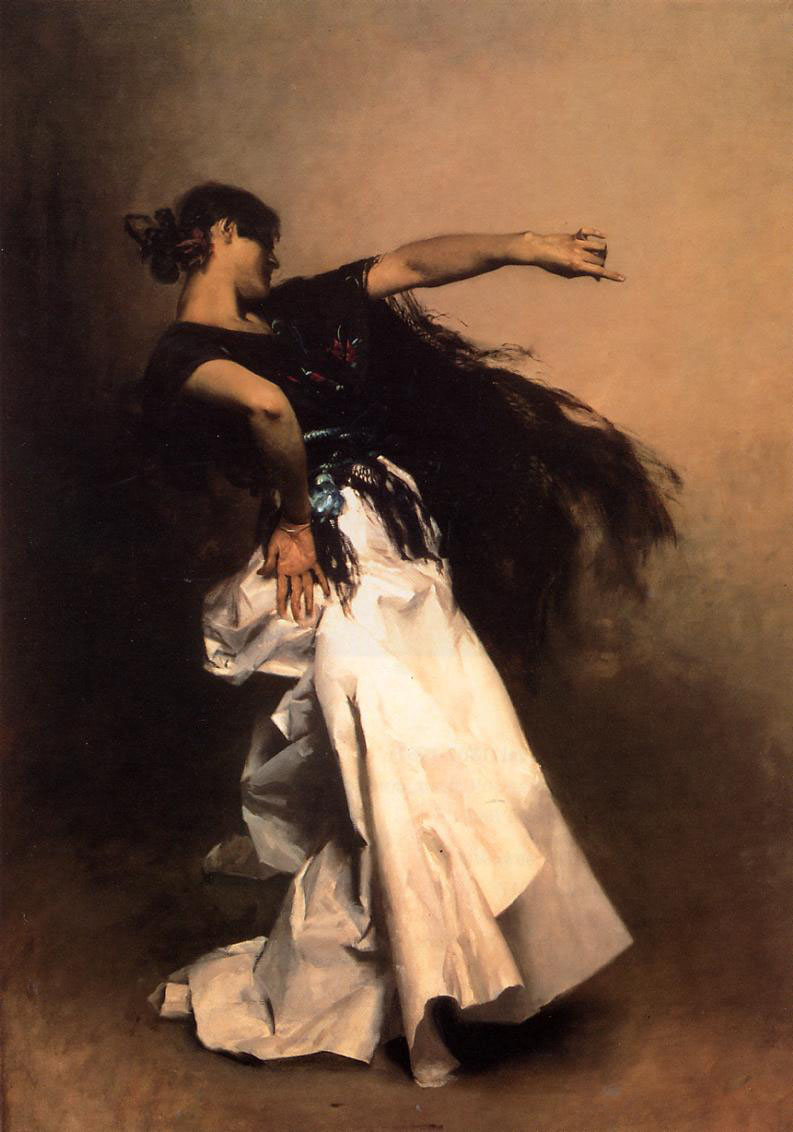 🇪🇸 SpainFlamenco
A dramatic dance and music tradition rooted in Andalusia's gitano and folk culturesFolk dance · Solo · Group
🇪🇸 SpainFlamenco
A dramatic dance and music tradition rooted in Andalusia's gitano and folk culturesFolk dance · Solo · Group
 🇦🇷 Argentina and 1 moreTango
A partner dance from the Río de la Plata, danced in close or open embraceSocial dance · Couple
🇦🇷 Argentina and 1 moreTango
A partner dance from the Río de la Plata, danced in close or open embraceSocial dance · Couple
 🇦🇹 Austria and 4 moreWaltz
A turning couple dance in triple time, first popular in 18th-century EuropeBallroom or Latin dance · Couple
🇦🇹 Austria and 4 moreWaltz
A turning couple dance in triple time, first popular in 18th-century EuropeBallroom or Latin dance · Couple
 🇧🇷 BrazilCapoeira
A Brazilian martial art that blends dance, acrobatics, and music in a circle gameWar or martial dance · Circle · Solo
🇧🇷 BrazilCapoeira
A Brazilian martial art that blends dance, acrobatics, and music in a circle gameWar or martial dance · Circle · Solo