
Contemporary dance
A stage dance style blending ballet, modern, and many other influences
Contemporary dance is a stage dance form that took shape in the mid-1900s and is now widely practiced, especially in the United States and Europe. It draws from ballet, modern, jazz, and a range of global dance styles, often mixing techniques and ideas to create new movement and explore complex themes.
Watch it dancedShare on WhatsApp
- Developed in the mid-20th century
- Mixes ballet, modern, and other dance forms
- Known for unpredictable movement and rhythm
- Often features both solo and group work
- Choreography can be abstract or narrative
What is Contemporary dance?
Contemporary dance is a performance style seen on stage, shaped by many influences. Dancers use movement ideas from ballet, modern, jazz, and even non-Western forms. The style is known for mixing strong legwork with expressive use of the torso and arms. Pieces can be abstract or tell a story, and the choreography often includes sudden shifts in speed, direction, and rhythm. Dancers may perform alone or in groups, and the form is open to anyone with training.
Where does Contemporary dance come from?
The style began in the mid-20th century, growing out of modern and postmodern dance. Merce Cunningham was a key figure, creating works that broke away from storytelling and traditional structures. His approach treated movement as expressive on its own, without needing a clear narrative. German Tanztheater also shaped the form, using everyday actions and fragmented scenes. Over time, contemporary dance has absorbed ideas from many choreographers and cultures, making it a constantly evolving field.
How is Contemporary dance danced?
Dancers in contemporary works often combine the upright, precise legwork of ballet with a focus on the torso and expressive gestures. The style values both technical skill and freedom, using unpredictable changes in movement and direction. Choreography may include improvisation, and dancers explore a wide range of floor patterns and groupings. The relationship between music and movement is flexible, and pieces may feature simultaneous actions or unusual staging.
Contemporary dance, drawn
The music of Contemporary dance
Music in contemporary dance can range from classical to electronic, or even silence. Sometimes, sound is used simply as a backdrop, and in other cases, the choreography is closely tied to the rhythm or mood of the music. Some works use spoken word, recorded sounds, or even noises made by the dancers themselves. The choice of music and sound is often shaped by the choreographer’s vision.
Costume and what is carried
Costumes in contemporary dance are chosen to suit the choreographer’s ideas and the needs of the movement. Outfits may be simple or elaborate, depending on the piece. The focus is often on allowing free movement and supporting the overall look of the performance. Lighting, sets, and props may also play a creative role, sometimes designed in collaboration with visual artists.


When and where Contemporary dance is danced
Contemporary dance is mainly performed on stage, in theaters or at dance festivals. Dancers are usually trained in specialized schools or programs, and works are created by choreographers who select dancers for their skill and fit with the piece. The form is taught and performed worldwide, with a strong presence in the United States and Europe.
Styles of Contemporary dance
There is no single way to do contemporary dance. Different choreographers and schools have developed their own techniques, such as the Taylor technique or Forsythe’s approach, which blend classical and experimental ideas. Some pieces draw on non-Western movement, like African or Japanese dance. The style keeps changing as new artists bring in fresh influences and technology.
What Contemporary dance means
Contemporary dance is seen as a space for creative exploration and questioning. It often tackles themes that are hard to show in traditional forms, such as identity, presence, and the limits of representation. The style has become a major part of formal dance training and is recognized for its openness to collaboration and new ideas, including the use of technology and multimedia.
Questions people ask about Contemporary dance
Where did contemporary dance originate?
Contemporary dance began in the mid-1900s, mainly in the United States and Europe, growing from modern and postmodern dance influences.
Who can perform contemporary dance?
Anyone with training can perform contemporary dance. It is open to dancers of all backgrounds and ages, with pieces for soloists and groups.
What makes contemporary dance different from ballet or modern dance?
Contemporary dance blends ballet’s technique with modern dance’s focus on expression, and often includes elements from other styles. It is known for creative freedom and mixing movement ideas.
When is contemporary dance usually performed?
It is mainly performed on stage at theaters and festivals, often as part of dance programs or concerts.
Does contemporary dance use music?
Music is used in many ways in contemporary dance, from classical and electronic tracks to silence or spoken word, depending on the choreographer’s concept.
Good reading and sources
- Contemporary dance on WikipediaEncyclopedia
- More photos and video on Wikimedia CommonsPhotos and video
- Wikidata recordOpen data
- Videos of Contemporary dance on YouTubeSearch results, not chosen by Ghungroo
The facts on this page come from the Wikipedia article "Contemporary dance", written by its contributors and used under the CC BY-SA 4.0 licence, and from its Wikidata record (CC0). Ghungroo rewrote the text in its own words, with AI assistance, and compares every page with the article to make sure no passage is copied. It may be reused under the same CC BY-SA 4.0 licence with a link back.
It may contain mistakes, and it describes the dance in outline: it is not a lesson. Traditions differ from one teacher, village or family to the next. If something is wrong, tell us. Last refreshed 2026-10-03.
More from the United States
All the dances of the United States 🇺🇸 United StatesTap dance
A percussive dance using metal-soled shoes to create rhythms on the floorFolk dance · Solo · Group
🇺🇸 United StatesTap dance
A percussive dance using metal-soled shoes to create rhythms on the floorFolk dance · Solo · Group
 🇺🇸 United StatesJazz dance
A performance style born in African American communities that blends improvisation with theatrical movement.Concert dance · Solo · Couple
🇺🇸 United StatesJazz dance
A performance style born in African American communities that blends improvisation with theatrical movement.Concert dance · Solo · Couple
 🇯🇵 Japan and 2 moreButoh舞踏 (Butō)
A Japanese dance theatre form known for slow, controlled movement and white body makeup.Dance-drama · Solo · Group
🇯🇵 Japan and 2 moreButoh舞踏 (Butō)
A Japanese dance theatre form known for slow, controlled movement and white body makeup.Dance-drama · Solo · Group
 🇺🇸 United States and 5 moreContact Improvisation
A partner dance built on touch and shared weight, created in the United States during the early 1970s.Social dance · Couple
🇺🇸 United States and 5 moreContact Improvisation
A partner dance built on touch and shared weight, created in the United States during the early 1970s.Social dance · Couple
Its cousins elsewhere
All ballet and concert dance 🇮🇹 Italy and 2 moreBallet
A highly technical stage dance with its own steps and styles, shaped in France and RussiaClassical dance · Solo · Group
🇮🇹 Italy and 2 moreBallet
A highly technical stage dance with its own steps and styles, shaped in France and RussiaClassical dance · Solo · Group
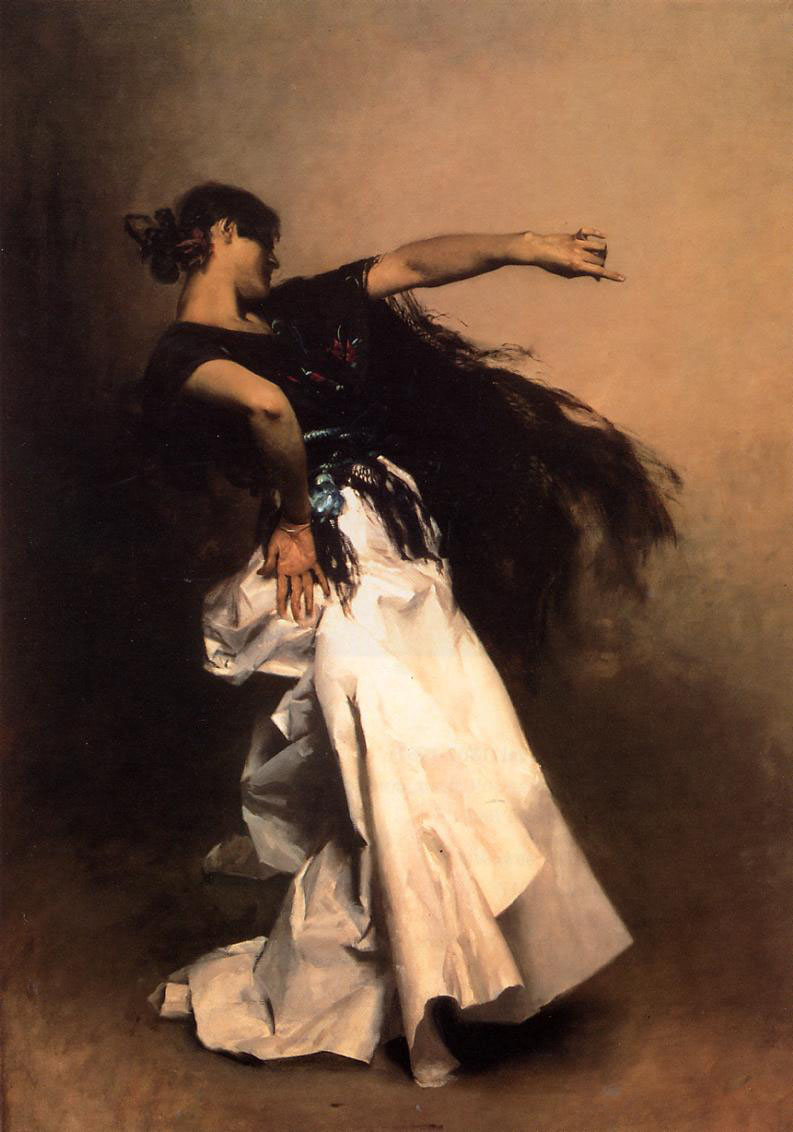 🇪🇸 SpainFlamenco
A dramatic dance and music tradition rooted in Andalusia's gitano and folk culturesFolk dance · Solo · Group
🇪🇸 SpainFlamenco
A dramatic dance and music tradition rooted in Andalusia's gitano and folk culturesFolk dance · Solo · Group
 🇦🇷 Argentina and 1 moreArgentine tango
A partner dance from Buenos Aires suburbs, defined by the bandoneon and an intimate embrace.Social dance · Couple
🇦🇷 Argentina and 1 moreArgentine tango
A partner dance from Buenos Aires suburbs, defined by the bandoneon and an intimate embrace.Social dance · Couple
 🇺🇦 UkraineHopakГопак
A lively Ukrainian folk dance known for jumps and acrobatic movesFolk dance · Solo · Couple
🇺🇦 UkraineHopakГопак
A lively Ukrainian folk dance known for jumps and acrobatic movesFolk dance · Solo · Couple