
Ballet
A highly technical stage dance with its own steps and styles, shaped in France and Russia
Ballet is a formal stage dance that began in Italian Renaissance courts and developed in France and Russia. It is performed by trained dancers, often to classical music, and has influenced many other dance forms. Ballet is known for its codified technique, distinct styles, and elaborate or simple costumes depending on the era.
Watch it dancedShare on WhatsApp
- Ballet began in Italian Renaissance courts in the 15th century
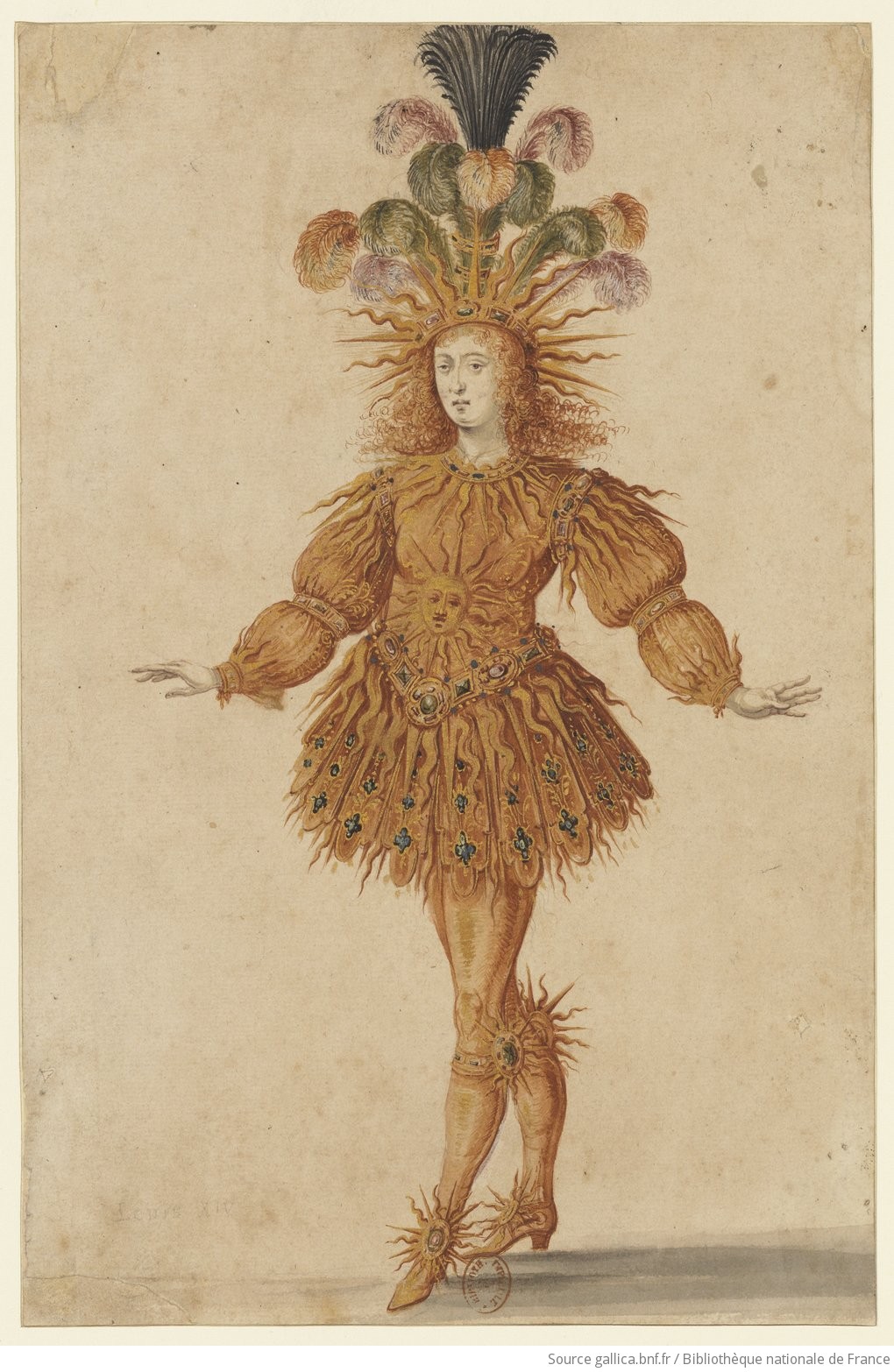
- King Louis XIV founded the first dance academy in France in 1661
- The Paris Opera Ballet was the first professional ballet company
- Distinct styles developed in France, Italy, Russia, and England
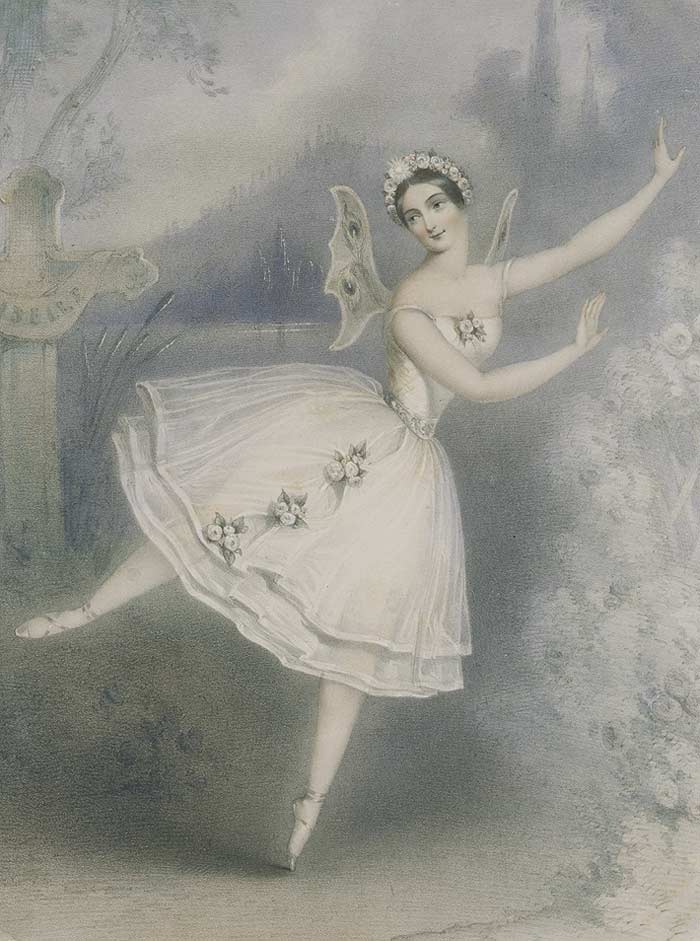
- Romantic ballet introduced pointe work and longer tutus
What is Ballet?
Ballet is a performance dance that uses a set vocabulary of steps and postures. It is danced by people who have trained for years, often starting as children. Ballet can be staged with elaborate costumes and scenery or with minimal design, depending on the style. The movement is precise, with an emphasis on grace, control, and expressive storytelling. Ballet is performed in theatres and is often accompanied by orchestral music.
Where does Ballet come from?
Ballet began in the courts of Italy during the Renaissance and was brought to France, where it developed further under royal patronage. King Louis XIV founded the first dance academy in 1661, which helped formalize the technique. The Paris Opera Ballet, established in the 17th century, became the first professional company. Ballet later grew in Russia, where new styles and training methods emerged. Over time, ballet spread worldwide and evolved into several distinct forms.
How is Ballet danced?
Ballet dancers use turned-out legs, pointed feet, and upright posture. Steps include jumps, spins, and lifts, often performed with lightness and control. The arms and head are held in specific positions, and the whole body is used to create lines and shapes. Dancers may perform solos or move as a group, sometimes telling a story through mime and gesture. Styles differ in how they emphasize speed, athleticism, or softness.
Ballet, drawn
The music of Ballet
Classical ballet is usually danced to orchestral music, with composers and choreographers working closely together. Romantic and classical ballets use music written for the stage, while neoclassical and contemporary works may use a wider range of music, including modern and even rock scores. The music shapes the mood and timing of the dance, and some styles are closely linked to certain composers.
Costume and what is carried
Traditional ballet costumes include tutus for women and fitted jackets and tights for men. Romantic ballets feature longer, flowing skirts to create a soft look. Modern and contemporary ballets may use simple or minimal costumes, sometimes danced barefoot. Costumes are chosen to match the style and mood of the piece, and can range from ornate to plain.


When and where Ballet is danced
Ballet is performed in theatres for an audience, often as part of a company's regular season. Dancers train for many years, usually starting as children, and progress through a structured system of classes and exams. Ballet is taught in schools and academies around the world, and major works are often staged by professional companies.
Styles of Ballet
Ballet has several main styles, including French, Italian, Russian, English, and American, each with its own training methods. Romantic ballet features soft, flowing movement and themes of emotion and fantasy. Neoclassical ballet is more abstract, with less emphasis on story or costume. Contemporary ballet blends ballet technique with modern dance ideas, sometimes danced barefoot and with new movement vocabulary.
What Ballet means
Ballet has shaped the development of stage dance worldwide and is seen as a foundation for many other forms. It holds a special place in the cultural life of countries like France and Russia, and is recognized for its technical demands and artistry. Ballet has been revived and reinterpreted many times, and continues to evolve with new choreographers and dancers.
Questions people ask about Ballet
Where did ballet originate?
Ballet began in the courts of Italy during the Renaissance in the fifteenth century and later developed further in France and Russia.
Who performs ballet?
Ballet is performed by trained dancers, often after years of study in schools or academies. Both men and women dance ballet, and roles may be solo or in groups.
When is ballet performed?
Ballet is usually performed on stage in theatres as part of a company's season or special productions. It is not tied to specific festivals or holidays.
What are the main styles of ballet?
Main styles include classical, romantic, neoclassical, and contemporary ballet, each with its own movement qualities and training methods.
What music is used in ballet?
Classical ballets are danced to orchestral music, while modern and contemporary ballets may use a wide range of music, including modern and even rock scores.
Good reading and sources
- Ballet on WikipediaEncyclopedia
- More photos and video on Wikimedia CommonsPhotos and video
- Wikidata recordOpen data
- Videos of Ballet on YouTubeSearch results, not chosen by Ghungroo
The facts on this page come from the Wikipedia article "Ballet", written by its contributors and used under the CC BY-SA 4.0 licence, and from its Wikidata record (CC0). Ghungroo rewrote the text in its own words, with AI assistance, and compares every page with the article to make sure no passage is copied. It may be reused under the same CC BY-SA 4.0 licence with a link back.
It may contain mistakes, and it describes the dance in outline: it is not a lesson. Traditions differ from one teacher, village or family to the next. If something is wrong, tell us. Last refreshed 2026-10-03.
More from Italy
All the dances of Italy 🇯🇵 Japan and 2 moreButoh舞踏 (Butō)
A Japanese dance theatre form known for slow, controlled movement and white body makeup.Dance-drama · Solo · Group
🇯🇵 Japan and 2 moreButoh舞踏 (Butō)
A Japanese dance theatre form known for slow, controlled movement and white body makeup.Dance-drama · Solo · Group
 🇮🇹 Italy and 3 moreClassical ballet
A formal stage dance using turnout, pointe work and precise, flowing movementClassical dance · Solo · Group
🇮🇹 Italy and 3 moreClassical ballet
A formal stage dance using turnout, pointe work and precise, flowing movementClassical dance · Solo · Group
 🇧🇪 Belgium and 5 moreProcessional giant
Huge costumed figures carried and danced in European street processionsFolk dance · Solo · Procession
🇧🇪 Belgium and 5 moreProcessional giant
Huge costumed figures carried and danced in European street processionsFolk dance · Solo · Procession
 🇮🇹 Italy and 2 moreTarantella
A fast southern Italian folk dance in six-eight time, accompanied by tambourines and hand clapping.Folk dance · Solo · Couple
🇮🇹 Italy and 2 moreTarantella
A fast southern Italian folk dance in six-eight time, accompanied by tambourines and hand clapping.Folk dance · Solo · Couple
Its cousins elsewhere
All classical dances 🇮🇳 IndiaBharatanatyamபரதநாட்டியம்
A South Indian classical dance from Tamil Nadu, performed solo in temples and on stages.Classical dance · Solo
🇮🇳 IndiaBharatanatyamபரதநாட்டியம்
A South Indian classical dance from Tamil Nadu, performed solo in temples and on stages.Classical dance · Solo
 🇯🇵 JapanKabuki歌舞伎
A stylised Japanese theatre form using dance, drama and elaborate makeup.Classical dance · Group
🇯🇵 JapanKabuki歌舞伎
A stylised Japanese theatre form using dance, drama and elaborate makeup.Classical dance · Group
 🇹🇭 ThailandThai danceนาฏศิลป์
Classical and folk dances shaped by many cultures across Thailand’s regionsClassical dance · Solo · Group
🇹🇭 ThailandThai danceนาฏศิลป์
Classical and folk dances shaped by many cultures across Thailand’s regionsClassical dance · Solo · Group
 🇮🇳 IndiaKathakali
A classical dance-drama of Kerala with vivid costumes and expressive storytellingClassical dance · Group
🇮🇳 IndiaKathakali
A classical dance-drama of Kerala with vivid costumes and expressive storytellingClassical dance · Group