
Butoh
In its own language: 舞踏 (Butō)
A Japanese dance theatre form known for slow, controlled movement and white body makeup.
Butoh is a Japanese dance theatre that emerged in 1959 through the collaboration of Tatsumi Hijikata and Kazuo Ohno. It features slow, hyper-controlled motion and often uses white body makeup to explore taboo topics and grotesque imagery.
Watch it dancedShare on WhatsApp
- Founded in 1959 by Tatsumi Hijikata and Kazuo Ohno.
- Known for slow, hyper-controlled motion and white body makeup.
- Early works explored taboo topics like homosexuality.
- Hijikata developed Butoh Fu, a notation system for movement.
- Performed in extreme environments like caves or skyscrapers.
What is Butoh?
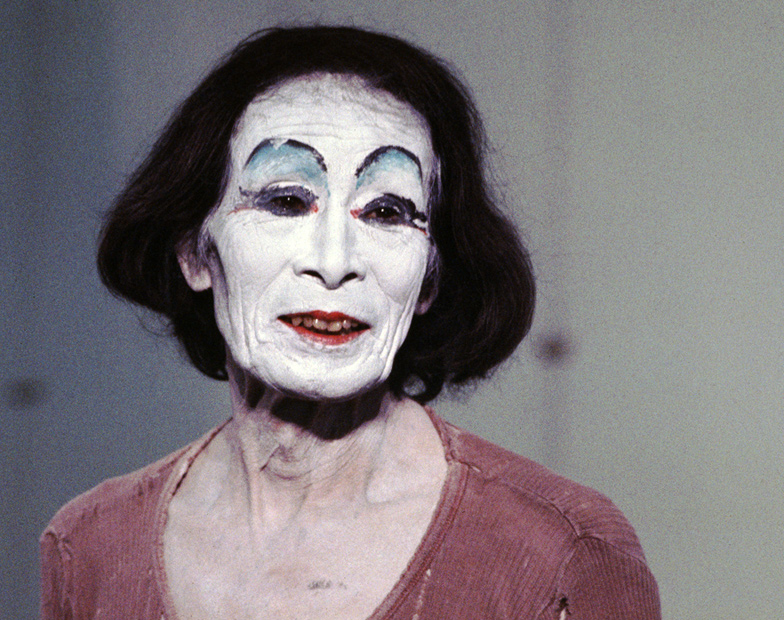
Butoh is a Japanese dance theatre form characterized by extreme or absurd environments and playful, grotesque imagery. Traditionally performed with white body makeup, it utilizes slow, hyper-controlled motion to explore taboo subjects. The art resists strict definition, blending elements of performance and movement to create a unique aesthetic experience.
Where does Butoh come from?
Butoh arose in post-World War II Japan in 1959, founded by Tatsumi Hijikata and Kazuo Ohno. It began as a reaction against Western dance styles and traditional forms like Noh. Hijikata sought to embrace the earthbound physique of common folk, creating an early style called Ankoku Butoh, or 'dance of darkness,' which challenged refined Japanese aesthetics.
How is Butoh danced?
The dance involves slow, hyper-controlled motion and specific body shapes assigned to exercises. Hijikata developed Butoh Fu, a notation system using visualizations to affect the nervous system. Dancers often transition from conscious movement to being moved by internal or external sources, exploring the transmutation of the body into animal forms or other states of being.
Butoh, drawn
The music of Butoh
The sources do not specify instruments or musical accompaniment for butoh performances. The focus remains on the physical movement, the environment, and the visual impact of the dancers rather than a defined rhythmic structure or melody.
Costume and what is carried
Performers traditionally wear white body makeup. Costumes can include near or complete nudity, shaved heads, grotesque outfits, clawed hands, and rolled-up eyes. Some performances involve props like ropes or live animals, contributing to the extreme or absurd nature of the presentation.


When and where Butoh is danced
Butoh is primarily performed on stage or in extreme environments such as caves, remote cemeteries, or skyscrapers. It is presented as a performance art, often exploring the extremes of the human condition. Training occurs through workshops and schools established by founders and their students.
Styles of Butoh
Styles vary significantly between the teachings of Hijikata and Ohno. Hijikata's approach was technical and group-oriented, while Ohno's was more natural and nurturing for solo artists. Later developments include New Butoh, established in Italy, and various independent groups that interpret the form differently.
What Butoh means
Butoh is considered unclassifiable, often categorized as theater or a seditious act. It gained international attention through tragic events and documentaries in the United States. The art form challenges conventional notions of dance and competition, viewing each performance as an ultimate expression rather than a contest.
Questions people ask about Butoh
What is butoh?
Butoh is a Japanese dance theatre form that emerged in 1959. It features slow, hyper-controlled motion, white body makeup, and explores taboo topics and grotesque imagery in extreme environments.
Where did butoh originate?
Butoh originated in Japan after World War II. It was founded in 1959 by Tatsumi Hijikata and Kazuo Ohno as a reaction against Western dance styles and traditional Japanese forms like Noh.
How is butoh danced?
It involves slow, hyper-controlled motion and specific body shapes. Dancers use visualizations to affect their nervous system, often transitioning from conscious movement to being moved by internal or external sources.
What is the significance of white makeup?
White body makeup is a traditional feature of butoh. It contributes to the grotesque and surreal imagery, helping to transform the dancer's appearance and enhance the exploration of taboo subjects.
Is butoh a competitive dance?
No. Butoh views each performance as an ultimate expression. It does not have rankings or competitions, as real butoh cannot be given second or third places like a contest.
Good reading and sources
- Encyclopaedia BritannicaArticle
- 'Crazy Camel' helps butoh over the humpThe Japan Times, Article
- Memories carved out of shadowsThe Hindu, Article
- Blackhaine: the bleak, brilliant Lancashire rapper-dancer hired by Kanye WestThe Guardian, Article
- Butoh on WikipediaEncyclopedia
- More photos and video on Wikimedia CommonsPhotos and video
- Wikidata recordOpen data
- Videos of Butoh on YouTubeSearch results, not chosen by Ghungroo
The facts on this page come from the Wikipedia article "Butoh", written by its contributors and used under the CC BY-SA 4.0 licence, and from its Wikidata record (CC0). Ghungroo rewrote the text in its own words, with AI assistance, and compares every page with the article to make sure no passage is copied. It may be reused under the same CC BY-SA 4.0 licence with a link back.
It may contain mistakes, and it describes the dance in outline: it is not a lesson. Traditions differ from one teacher, village or family to the next. If something is wrong, tell us. Last refreshed 2026-10-03.
More from Japan
All the dances of Japan 🇯🇵 JapanKabuki歌舞伎
A stylised Japanese theatre form using dance, drama and elaborate makeup.Classical dance · Group
🇯🇵 JapanKabuki歌舞伎
A stylised Japanese theatre form using dance, drama and elaborate makeup.Classical dance · Group
 🇯🇵 JapanNihon-buyō日本舞踊
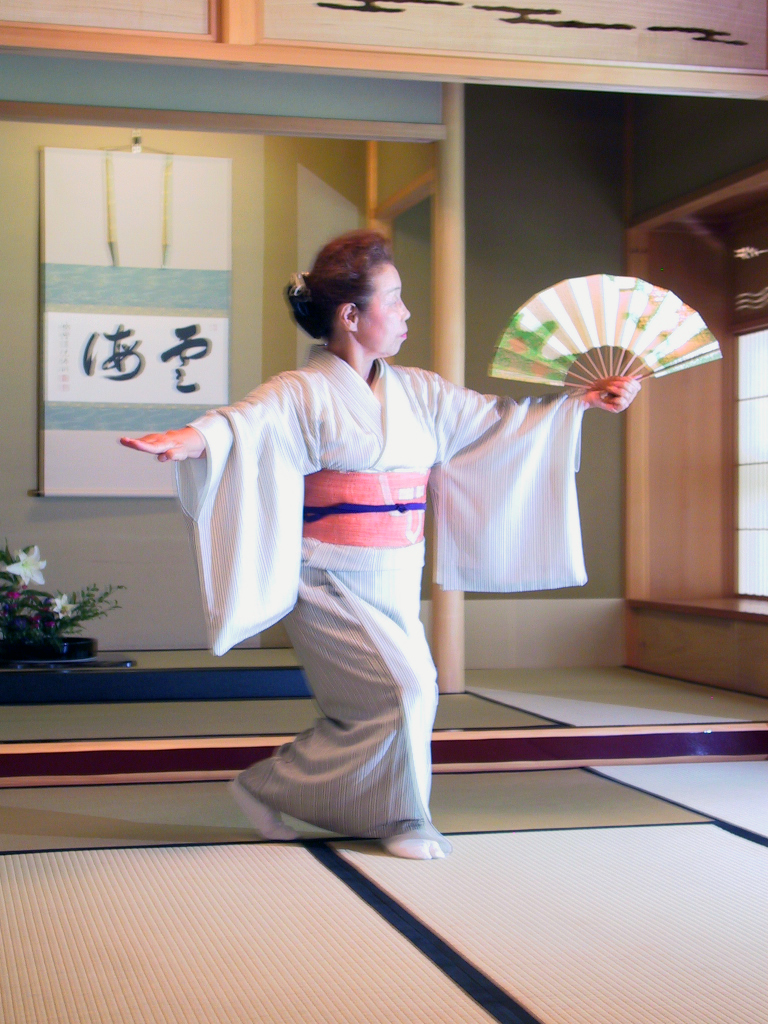
A classical Japanese stage dance refined from kabuki and older traditions.Classical dance · Solo · Group
🇯🇵 JapanNihon-buyō日本舞踊
A classical Japanese stage dance refined from kabuki and older traditions.Classical dance · Solo · Group
 🇺🇸 United States and 5 moreContact Improvisation
A partner dance built on touch and shared weight, created in the United States during the early 1970s.Social dance · Couple
🇺🇸 United States and 5 moreContact Improvisation
A partner dance built on touch and shared weight, created in the United States during the early 1970s.Social dance · Couple
 🇯🇵 JapanNoh能
A masked dance-drama of Japan, performed since the fourteenth century.Classical dance · Group
🇯🇵 JapanNoh能
A masked dance-drama of Japan, performed since the fourteenth century.Classical dance · Group
Its cousins elsewhere
All dance-dramas 🇮🇹 Italy and 2 moreBallet
A highly technical stage dance with its own steps and styles, shaped in France and RussiaClassical dance · Solo · Group
🇮🇹 Italy and 2 moreBallet
A highly technical stage dance with its own steps and styles, shaped in France and RussiaClassical dance · Solo · Group
 🇧🇴 Bolivia and 2 moreDiablada
A masked devil dance from the Andes, led by Saint Michael at CarnivalFolk dance · Procession · Group
🇧🇴 Bolivia and 2 moreDiablada
A masked devil dance from the Andes, led by Saint Michael at CarnivalFolk dance · Procession · Group
 🇪🇸 SpainSoleá
A solemn flamenco song and dance in 12-beat rhythm from AndalusiaFolk dance · Solo · Group
🇪🇸 SpainSoleá
A solemn flamenco song and dance in 12-beat rhythm from AndalusiaFolk dance · Solo · Group
 🇫🇷 FranceBallet de cour
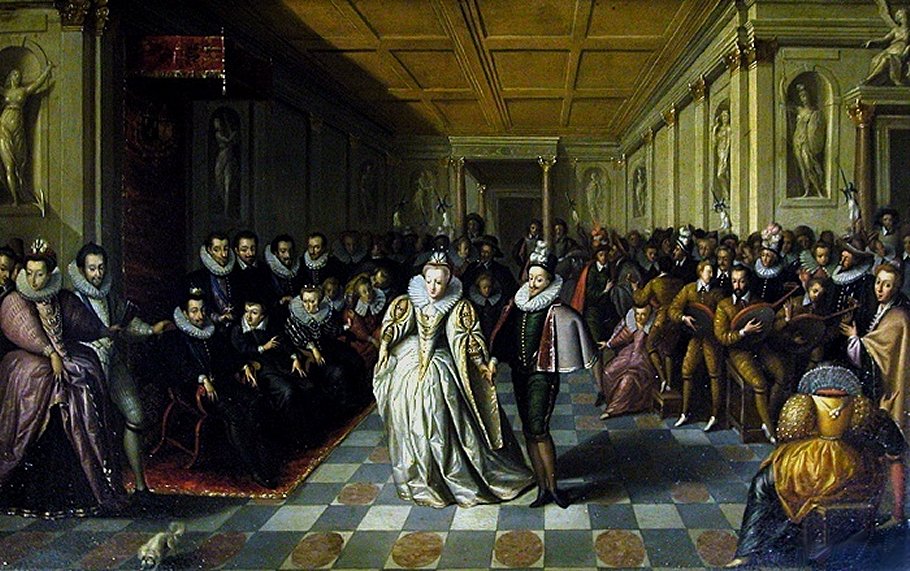
A 16th and 17th century French court dance form blending spectacle, politics, and geometry.Court dance · Group
🇫🇷 FranceBallet de cour
A 16th and 17th century French court dance form blending spectacle, politics, and geometry.Court dance · Group