
Dabke
In its own language: دبكة
A line and circle dance for celebrations across the Levant
Dabke is a folk dance from the Levant, especially common in Palestine, Syria, Lebanon, and Jordan. Dancers join hands in a line or circle, led by a skilled leader, and stamp, step, and move in unison at weddings, festivals, and family gatherings.
Watch it dancedShare on WhatsApp
- Dabke is danced in a line or circle, led by a skilled leader
- It is a key part of weddings and family celebrations in the Levant
- The dance features strong stamping and synchronized steps
- Traditional instruments include the oud, mijwiz, and ṭablah
- There are many regional and local styles of dabke
What is Dabke?
Dabke is a communal dance from the Levant, where people form a line or semicircle, holding hands or shoulders. The group moves together, led by a dancer who sets the pace and style, often improvising steps and turns. The dance features strong stamping, synchronized steps, and lively rhythms. Dabke is performed at weddings, family celebrations, festivals, and sometimes at public gatherings. Both men and women participate, though some styles are danced only by men. The music is energetic, and the mood is joyful and social.
Where does Dabke come from?
Dabke’s origins are debated. Some say it descends from ancient Phoenician or Canaanite dances, possibly linked to agricultural rituals or roof-building traditions where people stomped to compact mud roofs. Over time, these practical or ritual actions became a dance for celebrations. Dabke is now a symbol of unity and identity for many Levantine communities. It has spread across the region and among diaspora communities, adapting to new settings while keeping its communal spirit.
How is Dabke danced?
Dabke is danced in a line or circle, usually from right to left. Dancers hold hands or shoulders, moving in unison with steps that involve stamping, crossing feet, and sometimes jumping or turning. The leader, called the lawweeh, improvises and signals changes in rhythm or steps. Some styles are slow and steady, others fast and athletic. The group follows the leader’s cues, and the dance can grow as more people join. The steps are simple to learn but can be made complex by skilled dancers.
Dabke, drawn
The music of Dabke
Dabke is accompanied by folk songs and traditional instruments. The oud gives a deep, mellow sound, while the mijwiz and arghul are reed instruments that add a bright, piercing melody. Drums like the ṭablah and daff (or riq) set the rhythm, with sharp beats and jingles. Songs often have themes of love or celebration, and some are recognized by their rhythm rather than fixed lyrics. The music is lively and encourages participation.
Costume and what is carried
There is no single costume for dabke, as it is danced in both everyday and festive clothes. In performances, dancers may wear traditional dress from their region, which can include embroidered shirts, sashes, and headscarves. Men sometimes wear vests and baggy trousers, while women may wear long dresses. The focus is on comfort and freedom of movement.


When and where Dabke is danced
Dabke is most often danced at weddings, family gatherings, festivals, and national celebrations. It is also performed at cultural events and, in recent times, at protests and demonstrations as a sign of solidarity. In the Levant and among diaspora communities, dabke is a way to mark happy occasions and reinforce community ties. It is passed down informally, often learned by joining in at celebrations.
Styles of Dabke
There are many types of dabke, each with its own steps and style. Al-Shamaliyya is the most familiar, with a skilled leader and synchronized group. Al-Sha’rawiyya is danced only by men with strong stamping. Al-Karaadiyya features a flute player in the center and moves from left to right. Other types, like Al-Farah and Al-Ghazal, are more athletic or involve special footwork. Each region and community may have its own version.
What Dabke means
Dabke is a symbol of identity and unity for Levantine people, especially Palestinians, Syrians, Lebanese, and Jordanians. It is performed at important life events and national holidays, and has become a form of cultural expression in the diaspora. In some places, dabke is taught in schools or performed by professional troupes. It has also been used in political demonstrations to show solidarity and collective spirit.
Questions people ask about Dabke
Where does dabke come from?
Dabke comes from the Levant, especially Palestine, Syria, Lebanon, and Jordan. It is a folk dance rooted in the traditions of these communities.
When is dabke usually danced?
Dabke is danced at weddings, family gatherings, festivals, national celebrations, and sometimes at protests or public events.
How is dabke performed?
Dancers form a line or circle, holding hands or shoulders, and move together with stamping, crossing steps, and sometimes jumps, following a leader who improvises and sets the rhythm.
What music is used for dabke?
Dabke is accompanied by folk songs and traditional instruments like the oud, mijwiz, arghul, ṭablah, daff, and shubabeh, with lively rhythms and melodies.
Are there different styles of dabke?
Yes, there are many types of dabke, such as Al-Shamaliyya, Al-Sha’rawiyya, and Al-Karaadiyya, each with its own steps and style.
Good reading and sources
- Dabke on WikipediaEncyclopedia
- More photos and video on Wikimedia CommonsPhotos and video
- Wikidata recordOpen data
- Videos of Dabke on YouTubeSearch results, not chosen by Ghungroo
The facts on this page come from the Wikipedia article "Dabke", written by its contributors and used under the CC BY-SA 4.0 licence, and from its Wikidata record (CC0). Ghungroo rewrote the text in its own words, with AI assistance, and compares every page with the article to make sure no passage is copied. It may be reused under the same CC BY-SA 4.0 licence with a link back.
It may contain mistakes, and it describes the dance in outline: it is not a lesson. Traditions differ from one teacher, village or family to the next. If something is wrong, tell us. Last refreshed 2026-10-03.
More from Palestine
All the dances of Palestine
Its cousins elsewhere
All folk dances 🇪🇬 Egypt and 3 moreBelly danceرقص شرقي
A Middle Eastern dance focused on hip and torso articulation.Folk dance · Solo
🇪🇬 Egypt and 3 moreBelly danceرقص شرقي
A Middle Eastern dance focused on hip and torso articulation.Folk dance · Solo
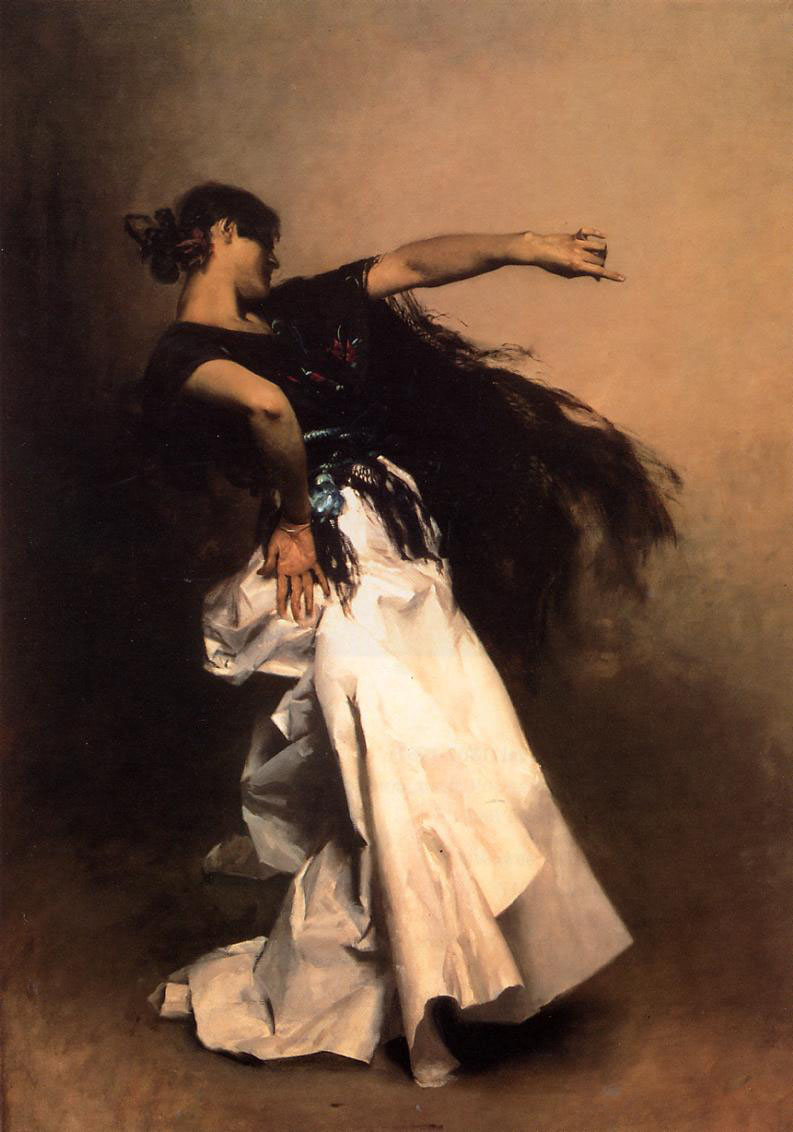 🇪🇸 SpainFlamenco
A dramatic dance and music tradition rooted in Andalusia's gitano and folk culturesFolk dance · Solo · Group
🇪🇸 SpainFlamenco
A dramatic dance and music tradition rooted in Andalusia's gitano and folk culturesFolk dance · Solo · Group
 🇦🇷 Argentina and 1 moreTango
A partner dance from the Río de la Plata, danced in close or open embraceSocial dance · Couple
🇦🇷 Argentina and 1 moreTango
A partner dance from the Río de la Plata, danced in close or open embraceSocial dance · Couple
 🇦🇹 Austria and 4 moreWaltz
A turning couple dance in triple time, first popular in 18th-century EuropeBallroom or Latin dance · Couple
🇦🇹 Austria and 4 moreWaltz
A turning couple dance in triple time, first popular in 18th-century EuropeBallroom or Latin dance · Couple