Dhemsa
A tribal group dance from central and eastern India danced late into the night
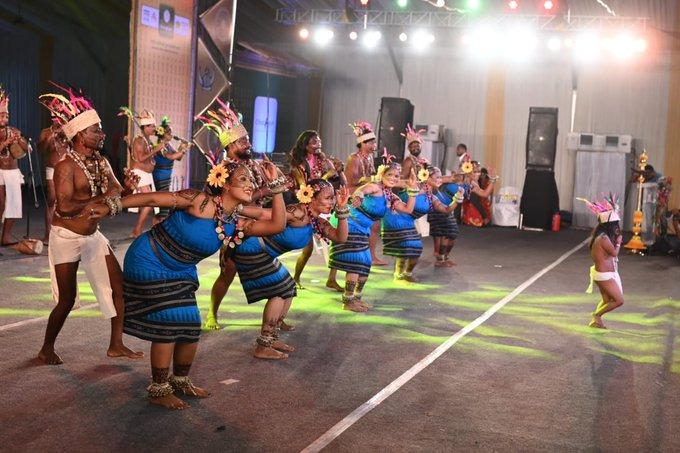
Dhemsa is a traditional tribal folk dance from southern Odisha, Chhattisgarh, Andhra Pradesh, and Maharashtra. Adivasi communities perform it in interlocking groups late at night during annual festivals like Chait Parab and Pus Puni to the beat of drums and wind instruments.
Watch it dancedShare on WhatsApp
- Tribal communities across Odisha, Chhattisgarh, Andhra Pradesh, and Maharashtra dance Dhemsa.
- Dancers link closely together by grasping each other by the shoulders and waists.
- The lead piper is known as the Mohuria, and the drumming ensemble follows their tempo.
- Festivities are held late at night during annual tribal occasions like Chait Parab and Pus Puni.
What is Dhemsa?
Dhemsa is a traditional Indian folk dance practiced by tribal populations, often referred to as Desia or Adivasis, including Gond artists. It is an ensemble tradition where participants move together in coordinated groups. While dancing, members connect physically by gripping the waists and shoulders of those beside them. The dance unfolds to the accompaniment of customary acoustic instruments, with movement patterns steered by the steady rhythm of drums and melodic pipes. Dhemsa is typically celebrated late into the night during regional community gatherings and seasonal celebrations.
Where does Dhemsa come from?
Rooted in central and southern India, Dhemsa is an ancient dance form preserved across several states, including Odisha, Chhattisgarh, Andhra Pradesh, and Maharashtra. In Maharashtra, the practice is particularly maintained in the Vidarbha area. Cultural initiatives have worked to bring this rural tribal tradition into modern urban spaces. Organizations such as Kosodum Welfare Private Limited, an observer with the World Intellectual Property Organization, collaborated with groups like the Gondwana MitraMandal and Gondwana Jangom Dhemsa Rela Nrutya Dal. Together, they arranged stage presentations in Mumbai featuring Gond Tribe performers to safeguard indigenous folklore and raise wider public awareness.
How is Dhemsa danced?
Dhemsa is danced collectively rather than individually. Performers assemble into a linked formation, resting their hands on the shoulders and holding the waists of their fellow dancers. This close physical contact keeps the entire group moving together in tight coordination. The dancers respond directly to the tempo set by the musicians. As the ensemble moves, the footsteps and body sways are guided by the lead melodic lines of the piper and the following drummers, creating a synchronized group motion through the nighttime ceremonies.
Dhemsa, drawn
The music of Dhemsa
Musical accompaniment is central to Dhemsa, provided by a specific set of traditional instruments. The ensemble features the mahuri, a pipe instrument, alongside several drums including the dhol, changu, and tamak. The musician playing the mahuri is known as the Mohuria and acts as the musical leader. The percussionists synchronize their beats with the Mohuria, establishing the shared rhythm that guides the dancing group.
When and where Dhemsa is danced
The dance takes place during important annual tribal festivals. Adivasi and Desia communities gather to dance Dhemsa during seasonal events such as Chait Parab and Pus Puni, which is also known as Pus Parab. These social and ceremonial gatherings generally occur late at night, bringing community members together to celebrate their shared heritage through song and communal dance.
What Dhemsa means
Dhemsa holds deep cultural value for Adivasi populations, serving as an expression of communal solidarity and tribal identity. It has increasingly received recognition beyond its native homelands through dedicated cultural preservation projects. Efforts by bodies like Kosodum Welfare Private Limited and local community groups have helped showcase Gond dancers in major metropolitan centres, drawing attention to the importance of protecting traditional knowledge and indigenous performing arts.
Questions people ask about Dhemsa
Where does Dhemsa come from?
Dhemsa originates among tribal communities in southern Odisha, Chhattisgarh, Andhra Pradesh, and the Vidarbha region of Maharashtra in India. It is maintained by Adivasi and Desia groups, including Gond artists.
When and why is Dhemsa danced?
It is danced late at night during annual tribal festivals, notably Chait Parab and Pus Puni (or Pus Parab). Community members gather to celebrate their cultural traditions through shared group movement.
How do the dancers move together?
Performers dance in groups, holding one another by the waist and shoulder. This linked formation allows the participants to move in harmony with the rhythms produced by traditional drums and wind instruments.
What musical instruments accompany the dance?
The music is led by a pipe player known as the Mohuria, who plays the mahuri. Drummers follow this lead using percussion instruments including the dhol, changu, and tamak.
Good reading and sources
- Dhemsa on WikipediaEncyclopedia
- More photos and video on Wikimedia CommonsPhotos and video
- Wikidata recordOpen data
- Videos of Dhemsa on YouTubeSearch results, not chosen by Ghungroo
The facts on this page come from the Wikipedia article "Dhemsa", written by its contributors and used under the CC BY-SA 4.0 licence, and from its Wikidata record (CC0). Ghungroo rewrote the text in its own words, with AI assistance, and compares every page with the article to make sure no passage is copied. It may be reused under the same CC BY-SA 4.0 licence with a link back.
It may contain mistakes, and it describes the dance in outline: it is not a lesson. Traditions differ from one teacher, village or family to the next. If something is wrong, tell us. Last refreshed 2026-10-04.
More from India
All the dances of India 🇮🇳 India and 1 moreFolk dance
Traditional group dances rooted in local life and passed down through generationsFolk dance · Group · Circle
🇮🇳 IndiaPaika akhada
A martial dance with swords and shields from Odisha, rooted in warrior trainingWar or martial dance · Group · Line or chain
🇮🇳 India and 1 moreFolk dance
Traditional group dances rooted in local life and passed down through generationsFolk dance · Group · Circle
🇮🇳 IndiaPaika akhada
A martial dance with swords and shields from Odisha, rooted in warrior trainingWar or martial dance · Group · Line or chain
 🇮🇳 IndiaDhunuchi nritya
A dance with incense burners during Durga Puja in BengalFolk dance · Solo · Group
🇮🇳 IndiaDhunuchi nritya
A dance with incense burners during Durga Puja in BengalFolk dance · Solo · Group
 🇮🇳 IndiaRamlilaरामलीला
A folk drama of the Ramayana, staged outdoors during Navaratri and DussehraFolk dance · Group · Procession
🇮🇳 IndiaRamlilaरामलीला
A folk drama of the Ramayana, staged outdoors during Navaratri and DussehraFolk dance · Group · Procession
Its cousins elsewhere
All folk dances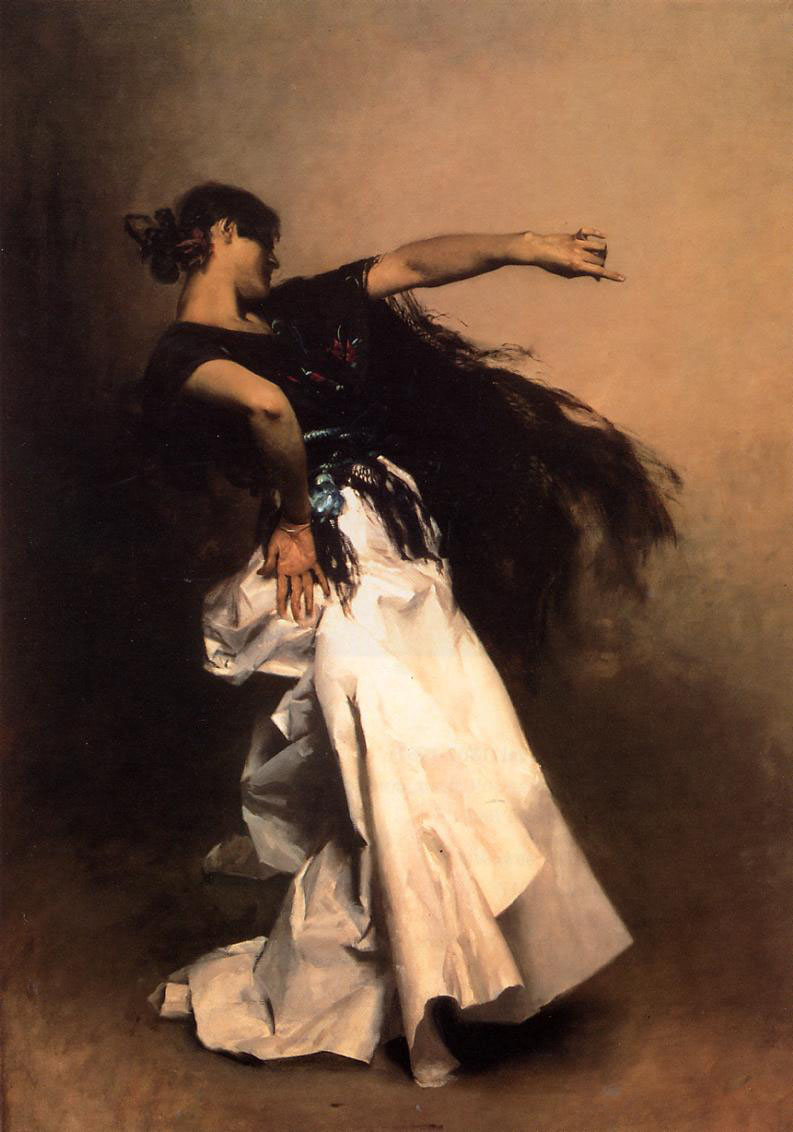 🇪🇸 SpainFlamenco
A dramatic dance and music tradition rooted in Andalusia's gitano and folk culturesFolk dance · Solo · Group
🇪🇸 SpainFlamenco
A dramatic dance and music tradition rooted in Andalusia's gitano and folk culturesFolk dance · Solo · Group
 🇦🇷 Argentina and 1 moreTango
A partner dance from the Río de la Plata, danced in close or open embraceSocial dance · Couple
🇦🇷 Argentina and 1 moreTango
A partner dance from the Río de la Plata, danced in close or open embraceSocial dance · Couple
 🇦🇹 Austria and 4 moreWaltz
A turning couple dance in triple time, first popular in 18th-century EuropeBallroom or Latin dance · Couple
🇦🇹 Austria and 4 moreWaltz
A turning couple dance in triple time, first popular in 18th-century EuropeBallroom or Latin dance · Couple
 🇧🇷 BrazilCapoeira
A Brazilian martial art that blends dance, acrobatics, and music in a circle gameWar or martial dance · Circle · Solo
🇧🇷 BrazilCapoeira
A Brazilian martial art that blends dance, acrobatics, and music in a circle gameWar or martial dance · Circle · Solo