
Eisa
In its own language: エイサー
A drumming and dance procession for Obon, led by Okinawan youth in lines or circles
Eisa is a folk dance from Okinawa Island, performed mainly by young people during the Obon festival to honor ancestors. Dancers move in lines or circles, playing drums and singing, often wearing colorful costumes and turbans. Eisa has evolved over time, with both traditional and creative forms now seen at festivals and in communities in Okinawa and beyond.
Watch it dancedShare on WhatsApp
- Eisa is performed during Obon to honor ancestors
- Dancers use three types of drums and sometimes castanets
- Modern Eisa features colorful costumes and group choreography
- Creative Eisa teams welcome anyone, not just locals
- The dance is central to Okinawan youth and identity
What is Eisa?
Eisa is a dance from Okinawa, performed mostly by groups of young men and women. Dancers move in lines or circles, playing drums of different sizes and sometimes small gongs or castanets. Singing and chanting are part of the performance, and the group is often dressed in bright costumes with colorful turbans. The dance is lively, with coordinated steps and drumming, and is a central part of the Obon festival, when people honor their ancestors.
Where does Eisa come from?
Eisa's roots are tied to the Obon festival and the practice of nembutsu, or Buddhist chanting for the dead. The dance likely began in the early 1600s, influenced by monks who introduced nembutsu to Okinawa. Puppet troupes called Chondaraa also played a role, performing songs and dances for funerals and celebrations. Over time, Eisa became specific to the Okinawa Islands, spreading through villages and changing as it moved north and west. The 20th century brought major changes, with contests and festivals shaping modern forms.
How is Eisa danced?
Eisa is danced in groups, often with 20 to 30 people. Dancers form lines or circles, sometimes parading through streets. The steps are energetic, with coordinated arm and leg movements. Drummers carry their instruments, striking them in rhythm with the dance. Some versions have men leading with large drums, followed by women or mixed groups. In drumless styles, dancers move around a central scaffold where musicians play. Creative Eisa teams may include karate-inspired moves and new choreography.
Eisa, drawn
The music of Eisa
Music for Eisa combines live drumming, singing, and folk songs played on the sanshin, a three-stringed lute. Three types of drums are used: the large ōdaiko, the medium shimedaiko, and the small hand-held paarankuu. Dancers may also use hand gongs and castanets. Traditional Eisa begins with Buddhist nembutsu songs, but modern and creative forms add newer folk and pop songs, sometimes sung in Ryukyuan languages.
Costume and what is carried
Costumes vary by region and group but are often brightly colored. Dancers typically wear a knotted turban, special vests, leggings, and shoes. The style and color can reflect local tradition or the gender of the dancer. In contests and creative Eisa, uniforms may be more elaborate, and Western clothing was sometimes used in the past.
When and where Eisa is danced
Eisa is most closely linked to the Obon festival, when communities honor the spirits of ancestors. Traditionally, it was performed by the youth of each village, but today it is also a highlight of public festivals and stage performances in Okinawa and places with Okinawan communities abroad. Creative Eisa teams welcome anyone, regardless of heritage, and perform at various events.
Styles of Eisa
There are several regional and modern styles of Eisa. Taiko Eisa features male drummers leading a parade, followed by female or mixed dancers. Paarankuu Eisa uses hand drums and has a slower pace. Drumless Eisa, found in northern Okinawa, is danced in circles without drums. Female Eisa is performed only by women. Creative Eisa, developed in the 1980s, allows new songs, choreography, and mixed-gender drumming.
What Eisa means
Eisa is a symbol of Okinawan identity and community, especially for young people. It has adapted over time, balancing tradition with innovation. Creative Eisa has spread to other regions and countries, connecting Okinawan descendants worldwide. The dance remains a way to honor ancestors, celebrate local culture, and bring people together, even as debates about authenticity continue.
Days Eisa is danced for
Questions people ask about Eisa
Where does Eisa come from?
Eisa originates from Okinawa Island in Japan and is specific to the Okinawa Islands. It developed from Buddhist practices and local traditions.
When is Eisa danced?
Eisa is mainly performed during the Obon festival, a time when communities honor the spirits of their ancestors. It is also featured at public festivals and events.
Who dances Eisa?
Traditionally, Eisa is danced by groups of young men and women from each community. In creative Eisa, anyone can join, regardless of heritage.
What instruments are used in Eisa?
Eisa uses three types of drums: ōdaiko (large), shimedaiko (medium), and paarankuu (small hand drum), along with the sanshin, singing, and sometimes castanets or gongs.
How has Eisa changed over time?
Eisa has evolved from a ritual dance for Obon to include contests, creative choreography, and performances by mixed-gender and international groups.
Good reading and sources
- Eisa (dance) on WikipediaEncyclopedia
- More photos and video on Wikimedia CommonsPhotos and video
- Wikidata recordOpen data
- Videos of Eisa on YouTubeSearch results, not chosen by Ghungroo
The facts on this page come from the Wikipedia article "Eisa (dance)", written by its contributors and used under the CC BY-SA 4.0 licence, and from its Wikidata record (CC0). Ghungroo rewrote the text in its own words, with AI assistance, and compares every page with the article to make sure no passage is copied. It may be reused under the same CC BY-SA 4.0 licence with a link back.
It may contain mistakes, and it describes the dance in outline: it is not a lesson. Traditions differ from one teacher, village or family to the next. If something is wrong, tell us. Last refreshed 2026-10-03.
More from Japan
All the dances of Japan 🇯🇵 JapanAwa Dance Festival阿波踊り
A street dance festival held during Obon in Tokushima, JapanFolk dance · Group · Procession
🇯🇵 JapanAwa Dance Festival阿波踊り
A street dance festival held during Obon in Tokushima, JapanFolk dance · Group · Procession
 🇯🇵 JapanTankō Bushi炭坑節
A Bon dance from Japan with gestures of coal miningFolk dance · Circle · Group
🇯🇵 JapanTankō Bushi炭坑節
A Bon dance from Japan with gestures of coal miningFolk dance · Circle · Group
 🇨🇳 China and 5 moreLion dance舞獅
A costumed dance that mimics a lion to bring luck and drive away evilFolk dance · Group · Procession
🇨🇳 China and 5 moreLion dance舞獅
A costumed dance that mimics a lion to bring luck and drive away evilFolk dance · Group · Procession
 🇯🇵 JapanKagura神楽
A Shinto ritual dance where performers channel deities through slow circling and energetic leaping.Ritual dance · Group · Procession
🇯🇵 JapanKagura神楽
A Shinto ritual dance where performers channel deities through slow circling and energetic leaping.Ritual dance · Group · Procession
Its cousins elsewhere
All folk dances 🇼🇸 SamoaSiva Tau
A Samoan war chant and dance performed by rugby teams before matches.Folk dance
🇼🇸 SamoaSiva Tau
A Samoan war chant and dance performed by rugby teams before matches.Folk dance
 🇫🇯 FijiCibi
A Fijian war dance and victory chant used by rugby teamsFolk dance · Group
🇫🇯 FijiCibi
A Fijian war dance and victory chant used by rugby teamsFolk dance · Group
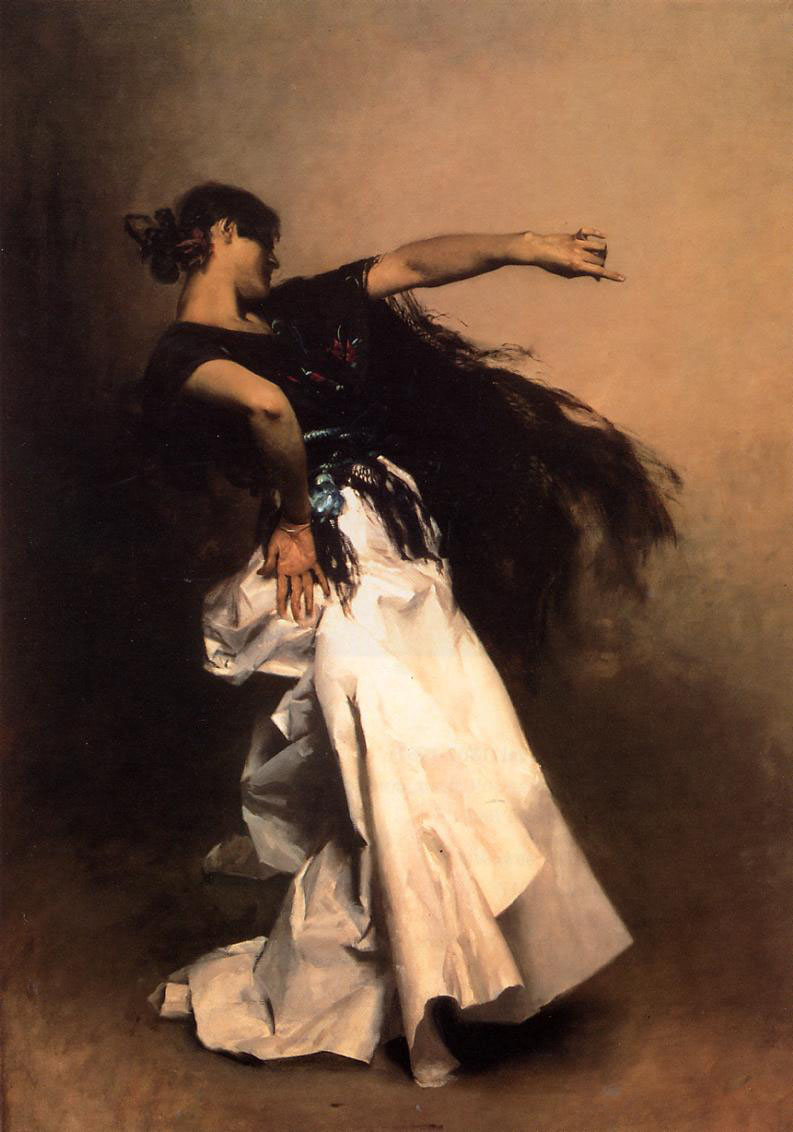 🇪🇸 SpainFlamenco
A dramatic dance and music tradition rooted in Andalusia's gitano and folk culturesFolk dance · Solo · Group
🇪🇸 SpainFlamenco
A dramatic dance and music tradition rooted in Andalusia's gitano and folk culturesFolk dance · Solo · Group
 🇻🇪 VenezuelaDancing devils of Corpus ChristiDiablos danzantes de Corpus Christi
Masked dancers in red parade and perform on Corpus Christi in Venezuelan townsRitual dance · Procession · Group
🇻🇪 VenezuelaDancing devils of Corpus ChristiDiablos danzantes de Corpus Christi
Masked dancers in red parade and perform on Corpus Christi in Venezuelan townsRitual dance · Procession · Group