
Expressionist dance
In its own language: Ausdruckstanz
An expressive modern dance form rooted in personal emotion, breath, and raw movement
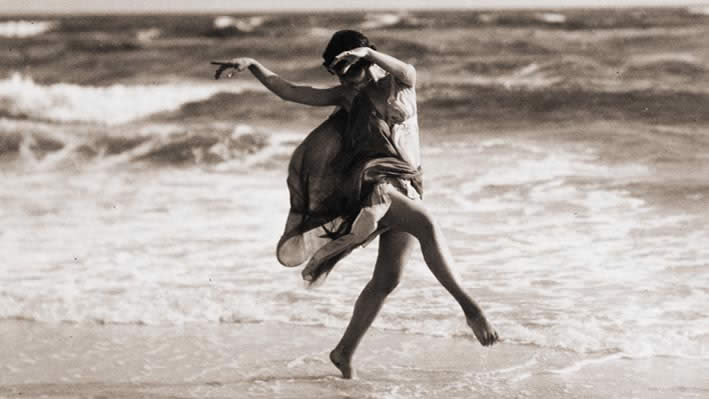
Emerging in early twentieth-century Europe and the United States, expressionist dance arose as a rebellion against rigid ballet traditions. Dancers prioritize personal emotion, breath, and natural physical weight over strict virtuosic technique, performing barefoot on the concert stage.
Watch it dancedShare on WhatsApp
- Emerged in early twentieth-century Europe and the United States as a rebellion against rigid ballet.
- Isadora Duncan discarded traditional shoes to dance barefoot, drawing inspiration from ancient art.
- Rudolf von Laban and Mary Wigman established key training centers in Switzerland and Germany.
- Inscribed onto the German Intangible Cultural Heritage list under UNESCO guidelines in 2014.
What is Expressionist dance?
Expressionist dance, also known by the German term Ausdruckstanz, is an artistic stage discipline that centers on the open release of personal feeling. Created to challenge the rigid rules and technical conventions of classical ballet, it treats dance as an uninhibited art of human movement. Performers reject superficial entertainment and purely virtuosic display in favor of genuine inner emotion, breath control, and dramatic intent. Dancers often perform barefoot to maintain direct contact with the stage floor, emphasizing bodily weight and physical presence. Movement can range from provocative, spontaneous gestures to structured explorations of muscular tension and release. While female pioneers led its initial rise, dancers of all backgrounds explore its methods across solo recitals and ensemble pieces.
Where does Expressionist dance come from?
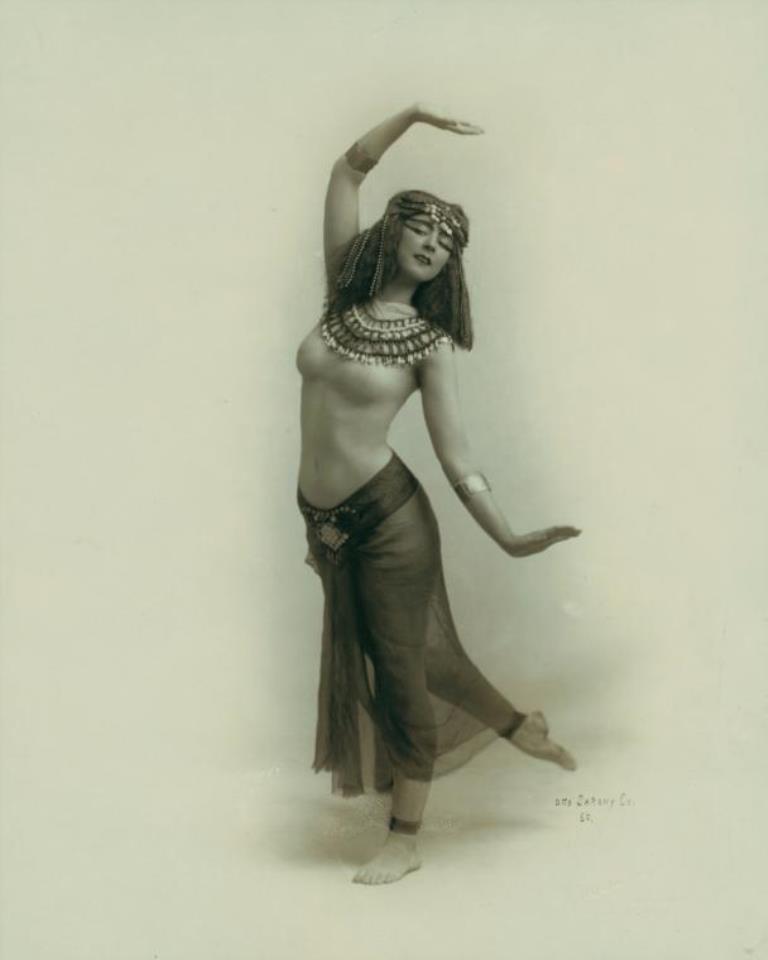
The movement began across Europe near the start of the twentieth century, fueled by avant-garde artistic currents, modernism, and protests against cultural stagnation. In nations without deeply rooted classical ballet establishments, particularly Germany and the United States, this revolutionary approach spread rapidly. Early innovator Isadora Duncan discarded restrictive shoes and corsets, looking to ancient Greek and Egyptian art for inspiration. Rudolf von Laban established an influential teaching colony at Monte Verità in Ascona, Switzerland, between 1913 and 1918. Mary Wigman became a major exponent, opening a famous school in Dresden in 1920. In the United States, Ruth St. Denis and Ted Shawn founded the Denishawn School, training students who established the foundations of modern concert dance.
How is Expressionist dance danced?
Rather than relying on academic foot placements or decorative lines, expressionist movement focuses on how the body uses breath, gravity, and weight. Dancers explore cycles of physical tension and relaxation, utilizing grounded floor contact to generate force. Movement is intentionally raw, expressive, and improvisational, shaped to externalize internal psychological states. Dancers freely alter their postures and spatial relationships, employing bare feet and the entire torso rather than relying solely on refined leg technique.
Expressionist dance, drawn
The music of Expressionist dance
Choreographers approached music with an experimental mindset rather than treating dance as a simple mirror for a melody. Dance was viewed as an independent art form. Practitioners experimented with unusual acoustic arrangements, silence, and percussion, linking physical rhythms directly to the natural timing of breath and muscular impulse.
Costume and what is carried
Costume choices marked a sharp break from traditional stage wear. Dancers removed restrictive corsets, heavy skirts, and traditional ballet footwear to move unhindered. Performers frequently appeared in simple tunics, loose drapes, or barefoot, reflecting natural body reform ideas and ancient classical aesthetics.


When and where Expressionist dance is danced
Expressionist dance is performed on theatre stages, at specialized arts festivals, and within experimental movement studios. During its foundational years, dedicated residential schools served as collaborative retreats where students developed choreographic theories before presenting their creations to audiences seeking innovative art.
Styles of Expressionist dance
Distinct lineages developed out of the early German and American studios. Denishawn alumni Martha Graham and Doris Humphrey built foundational modern techniques in America. The style strongly shaped Tanztheater and later influenced Japanese Butoh during the 1950s. Contemporary performers continue to adapt the tradition, including British choreographer Liz Aggiss and Indian artist Patruni Sastry, who applies expressionist movement to queer rights themes.
What Expressionist dance means
The form grew out of a wider quest for spiritual, bodily, and aesthetic liberation against conservative artistic norms. It placed women at the forefront of choreographic innovation and direction. In 2014, modern expressive dance traditions were formally inscribed on Germany's national registry of intangible cultural heritage under UNESCO guidelines.
Questions people ask about Expressionist dance
Where did expressionist dance come from?
It arose in Europe and the United States during the early twentieth century. Pioneers in Germany and America developed it as an avant-garde counter-movement to traditional classical ballet.
Why was expressionist dance created?
Dancers created the form to break away from the mechanical, conventional constraints of classical ballet. They sought an uninhibited art form that could express raw human emotion, spirit, and inner psychological states.
What makes expressionist dance different from classical ballet?
Unlike ballet's rigid postures and virtuosic requirements, expressionist dance emphasizes natural breath, floor contact, weight, and improvisation. Dancers famously removed ballet shoes to dance barefoot and embraced unrestrained emotional movement.
What modern dance forms did it influence?
It laid the groundwork for American modern dance through schools like Denishawn, helped give rise to German Tanztheater, and directly inspired Japanese Butoh in the 1950s.
Good reading and sources
- Expressionist dance on WikipediaEncyclopedia
- Wikidata recordOpen data
- Videos of Expressionist dance on YouTubeSearch results, not chosen by Ghungroo
The facts on this page come from the Wikipedia article "Expressionist dance", written by its contributors and used under the CC BY-SA 4.0 licence, and from its Wikidata record (CC0). Ghungroo rewrote the text in its own words, with AI assistance, and compares every page with the article to make sure no passage is copied. It may be reused under the same CC BY-SA 4.0 licence with a link back.
It may contain mistakes, and it describes the dance in outline: it is not a lesson. Traditions differ from one teacher, village or family to the next. If something is wrong, tell us. Last refreshed 2026-10-04.
More from Germany
All the dances of Germany 🇫🇷 France and 4 moreQuadrille
A social dance for four couples in a square, with set figures and changing musicSocial dance · Set or square · Group
🇫🇷 France and 4 moreQuadrille
A social dance for four couples in a square, with set figures and changing musicSocial dance · Set or square · Group
 🇫🇷 France and 4 moreGalop
A fast-paced ballroom dance in 2/4 time, often closing the nightBallroom or Latin dance · Couple
🇫🇷 France and 4 moreGalop
A fast-paced ballroom dance in 2/4 time, often closing the nightBallroom or Latin dance · Couple
 🇫🇷 France and 2 moreBaroque dance
Court and social dances from Europe’s Baroque era, 1600–1750Historical dance · Solo · Couple
🇫🇷 France and 2 moreBaroque dance
Court and social dances from Europe’s Baroque era, 1600–1750Historical dance · Solo · Couple
 🇨🇭 Switzerland and 4 moreEurythmy
An expressive movement art that translates music and speech into visible form through gesture.Concert dance · Group
🇨🇭 Switzerland and 4 moreEurythmy
An expressive movement art that translates music and speech into visible form through gesture.Concert dance · Group
Its cousins elsewhere
All ballet and concert dance 🇦🇷 Argentina and 1 moreArgentine tango
A partner dance from Buenos Aires suburbs, defined by the bandoneon and an intimate embrace.Social dance · Couple
🇦🇷 Argentina and 1 moreArgentine tango
A partner dance from Buenos Aires suburbs, defined by the bandoneon and an intimate embrace.Social dance · Couple
 🇺🇸 United StatesTap dance
A percussive dance using metal-soled shoes to create rhythms on the floorFolk dance · Solo · Group
🇺🇸 United StatesTap dance
A percussive dance using metal-soled shoes to create rhythms on the floorFolk dance · Solo · Group
 🇺🇸 United StatesContemporary dance
A stage dance style blending ballet, modern, and many other influencesConcert dance · Solo · Group
🇺🇸 United StatesContemporary dance
A stage dance style blending ballet, modern, and many other influencesConcert dance · Solo · Group
 🇺🇸 United StatesJazz dance
A performance style born in African American communities that blends improvisation with theatrical movement.Concert dance · Solo · Couple
🇺🇸 United StatesJazz dance
A performance style born in African American communities that blends improvisation with theatrical movement.Concert dance · Solo · Couple