Flash dance
A high-energy form of tap dance combined with daring acrobatics
Flash dancing is a style of tap dance that developed during the 1920s and 1930s, blending rhythmic footwork with acrobatics. Danced in stage acts and classic musical films, it featured daring athletic stunts such as leap-frogging performed by prominent troupes.
Watch it dancedShare on WhatsApp
- Combined standard tap and jazz dance footwork with daring acrobatics.
- Developed and flourished on stage and screen during the 1920s and 1930s.
- Popularized by groups like the Nicholas Brothers, Berry Brothers, and Four Step Brothers.
- Captured in famous film performances across the 1920s through the 1940s.
What is Flash dance?
Flash dance was an acrobatic branch of tap dance that emerged in the early twentieth century. During that period, performers and audiences frequently referred to tap as jazz dance. What set flash dancing apart was the seamless combination of fast rhythmic footwork with physically demanding stunts. Famous performing groups, including the Berry Brothers, The Four Step Brothers, and the Nicholas Brothers, made this dynamic style their signature. Dancers pushed the physical boundaries of stage routines, executing daring aerial feats and acrobatic transitions directly into their rhythm work before live audiences and cinema cameras.
Where does Flash dance come from?
This performance tradition evolved throughout the 1920s and 1930s as dancers began incorporating athletic stunts into tap routines. During this era, the style gained wide visibility through theatrical appearances and cinema. Motion pictures between the 1920s and 1940s frequently highlighted these acrobatic acts. A major milestone for the style occurred in the 1943 musical film Stormy Weather, which featured a celebrated routine by the Nicholas Brothers alongside Cab Calloway and his orchestra.
What Flash dance means
Flash dancing achieved lasting recognition through cinema, especially during the 1920s, 1930s, and 1940s. Its impact on filmed performance remains celebrated today. In particular, the sequence created for the song Jumpin' Jive in the 1943 film Stormy Weather stands out in dance history. Performed by the Nicholas Brothers, this energetic number featuring leap-frogging stunts is widely regarded as one of the finest dance sequences ever recorded on motion picture film.
Questions people ask about Flash dance
Where does flash dance come from?
Flash dancing developed in the 1920s and 1930s as a specialized, acrobatic style of tap dance, which was also known as jazz dance during that era.
When and where was flash dancing performed?
Flash dance was performed primarily on stage and in musical films between the 1920s and 1940s, showcased by specialized performance acts and dance troupes.
What makes flash dancing different from standard tap dance?
Unlike standard tap routines, flash dancing merged intricate rhythmic footwork with high-impact physical acrobatics. Dancers integrated dramatic athletic maneuvers, such as leap-frogging over partners, directly into their choreography.
What is the most famous example of flash dancing on film?
A famous example is the Nicholas Brothers performing to Jumpin' Jive alongside Cab Calloway and his orchestra in the 1943 movie Stormy Weather, celebrated as one of the finest dance scenes ever filmed.
Good reading and sources
- Flash dance on WikipediaEncyclopedia
- Wikidata recordOpen data
- Videos of Flash dance on YouTubeSearch results, not chosen by EveryGhunghroo
The facts on this page come from the Wikipedia article "Flash dance", written by its contributors and used under the CC BY-SA 4.0 licence, and from its Wikidata record (CC0). EveryGhunghroo rewrote the text in its own words, with AI assistance, and compares every page with the article to make sure no passage is copied. It may be reused under the same CC BY-SA 4.0 licence with a link back.
It may contain mistakes, and it describes the dance in outline: it is not a lesson. Traditions differ from one teacher, village or family to the next. If something is wrong, tell us. Last refreshed 2026-10-04.
Its cousins elsewhere
All ballet and concert dance 🇮🇹 Italy and 4 moreBallet
A technical concert dance that evolved from Renaissance courts into a global stage artClassical dance · Solo · Couple
🇮🇹 Italy and 4 moreBallet
A technical concert dance that evolved from Renaissance courts into a global stage artClassical dance · Solo · Couple
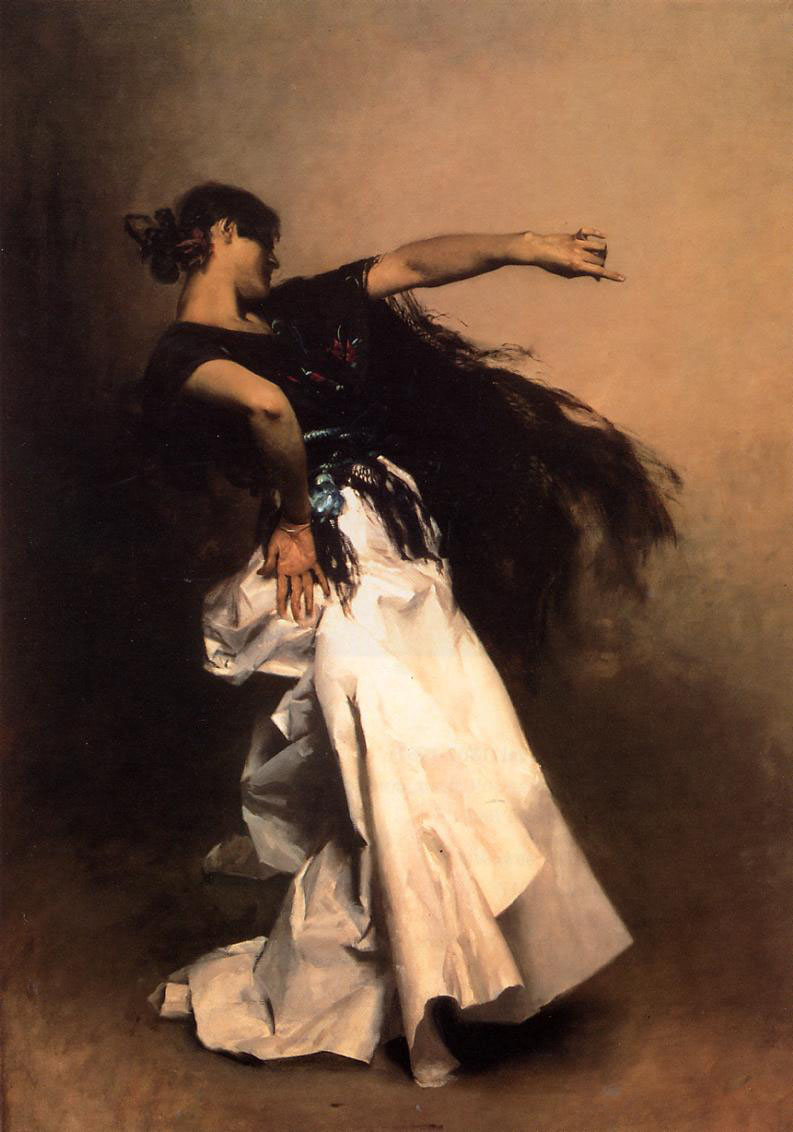 🇪🇸 SpainFlamenco
A southern Spanish art form of rhythmic footwork, singing, and acoustic guitarFolk dance · Solo · Group
🇪🇸 SpainFlamenco
A southern Spanish art form of rhythmic footwork, singing, and acoustic guitarFolk dance · Solo · Group
 🇦🇷 Argentina and 4 moreTango
A dramatic partner dance born in the ports of the Río de la Plata.Social dance · Couple
🇦🇷 Argentina and 4 moreTango
A dramatic partner dance born in the ports of the Río de la Plata.Social dance · Couple
 🇦🇷 Argentina and 1 moreArgentine tango
A partner dance from Buenos Aires suburbs, defined by the bandoneon and an intimate embrace.Social dance · Couple
🇦🇷 Argentina and 1 moreArgentine tango
A partner dance from Buenos Aires suburbs, defined by the bandoneon and an intimate embrace.Social dance · Couple