
Ghoomar
In its own language: घूमर
A circle dance of twirling women, performed at weddings and festivals in Rajasthan
Ghoomar is a folk dance from Rajasthan, India, performed mainly by veiled women in wide, flowing dresses called ghaghara. Dancers spin and move in and out of a large circle, often during weddings, festivals, and religious events, sometimes for hours. The dance began with the Bhil tribe and was later adopted by Rajput communities.
Watch it dancedShare on WhatsApp
- Performed mainly by veiled women in Rajasthan
- Dancers spin and move in a large circle
- Traditionally part of wedding and festival celebrations
- Originated with the Bhil tribe, later adopted by Rajputs
- Different regions have unique styles and tempos
What is Ghoomar?
Ghoomar is a traditional group dance from Rajasthan, India, performed mostly by women. Dancers wear long, swirling skirts called ghaghara and cover their faces with a veil. The dance is known for its spinning movements, with participants forming a wide circle and twirling gracefully. The steps are simple, focusing on coordinated turns and moving in and out of the circle. The music is lively, and the dance can last for hours during special occasions.
Where does Ghoomar come from?
Ghoomar began with the Bhil tribe, who danced it as a form of worship to Goddess Saraswati. Over time, Rajput communities adopted the dance, especially after periods of conflict and eventual peace between the Bhils and Rajputs. It became a popular tradition among women in Rajasthan, especially during the reign of Rajput kings. The dance has since developed regional variations in both style and costume.
How is Ghoomar danced?
The main feature of Ghoomar is the spinning or twirling motion, which is reflected in its name. Dancers move in and out of a large circle, turning and swaying in time with the music. The steps are not complex, focusing on rhythm and unity. Dancers often keep their faces covered with a veil and use flowing arm movements to accentuate the turns. The group maintains a coordinated pattern, creating a visual effect with the swirling skirts.
Ghoomar, drawn
The music of Ghoomar
Ghoomar is accompanied by traditional instruments such as the dhol (a double-sided drum) and sahnai (a reed instrument). Songs performed during Ghoomar include folk tunes like "Gorband", "Podina", and "Mor Bole Re". The lyrics often tell stories of royal legends or local traditions. The tempo can vary by region, with faster beats near Gujarat and slower rhythms in other areas.
Costume and what is carried
Women dancing Ghoomar wear a ghaghara, a long, pleated skirt that flares out as they spin. A veil, or ghoonghat, covers their faces, in keeping with tradition. The costume may differ by region, but the flowing skirt and veil are central. The bright colors and movement of the fabric add to the visual appeal of the dance.


When and where Ghoomar is danced
Ghoomar is performed at weddings, festivals, and religious events in Rajasthan. A newly married bride is expected to dance Ghoomar when welcomed into her new home. The dance is a group activity, usually involving only women, and can last for hours during celebrations. Training is often passed down within families or taught in dance academies.
Styles of Ghoomar
Different regions of Rajasthan have their own styles of Ghoomar. In areas close to Gujarat, the dance is performed to faster music with steps similar to the garba. In places like Dhaulpur, Karauli, and Braj, the rhythm is slower. Costume details and dance steps can also change from city to city, such as in Udaipur, Kota, and Bundi.
What Ghoomar means
Ghoomar is a symbol of Rajasthani identity and tradition. It is closely linked to rituals around marriage and is a source of pride for local communities. Efforts to preserve the dance include the founding of the Gangaur Ghoomar Dance Academy. Ghoomar has also gained wider attention through film and public performances.
Questions people ask about Ghoomar
Where does Ghoomar come from?
Ghoomar comes from Rajasthan, India. It was first danced by the Bhil tribe and later became popular among Rajput communities.
When is Ghoomar performed?
Ghoomar is performed during weddings, festivals, and religious occasions. A bride is expected to dance it when she enters her new home.
Who dances Ghoomar?
Ghoomar is chiefly performed by women, who usually dance in groups while wearing veils and long skirts.
What does Ghoomar look like?
Dancers form a wide circle, spinning and moving in and out while their skirts flare. The movements are graceful and focus on coordinated twirling.
Are there different styles of Ghoomar?
Yes, different regions of Rajasthan have their own versions, with variations in tempo, steps, and costume details.
Good reading and sources
- Ghoomar on WikipediaEncyclopedia
- Wikidata recordOpen data
- Videos of Ghoomar on YouTubeSearch results, not chosen by Ghungroo
The facts on this page come from the Wikipedia article "Ghoomar", written by its contributors and used under the CC BY-SA 4.0 licence, and from its Wikidata record (CC0). Ghungroo rewrote the text in its own words, with AI assistance, and compares every page with the article to make sure no passage is copied. It may be reused under the same CC BY-SA 4.0 licence with a link back.
It may contain mistakes, and it describes the dance in outline: it is not a lesson. Traditions differ from one teacher, village or family to the next. If something is wrong, tell us. Last refreshed 2026-10-03.
More from India
All the dances of India 🇮🇳 India and 1 moreFolk dance
Traditional group dances rooted in local life and passed down through generationsFolk dance · Group · Circle
🇮🇳 India and 1 moreFolk dance
Traditional group dances rooted in local life and passed down through generationsFolk dance · Group · Circle
 🇮🇳 IndiaBharatanatyamபரதநாட்டியம்
A South Indian classical dance from Tamil Nadu, performed solo in temples and on stages.Classical dance · Solo
🇮🇳 IndiaBharatanatyamபரதநாட்டியம்
A South Indian classical dance from Tamil Nadu, performed solo in temples and on stages.Classical dance · Solo
 🇮🇳 IndiaDhunuchi nritya
A dance with incense burners during Durga Puja in BengalFolk dance · Solo · Group
🇮🇳 IndiaPaika akhada
A martial dance with swords and shields from Odisha, rooted in warrior trainingWar or martial dance · Group · Line or chain
🇮🇳 IndiaDhunuchi nritya
A dance with incense burners during Durga Puja in BengalFolk dance · Solo · Group
🇮🇳 IndiaPaika akhada
A martial dance with swords and shields from Odisha, rooted in warrior trainingWar or martial dance · Group · Line or chain
Its cousins elsewhere
All folk dances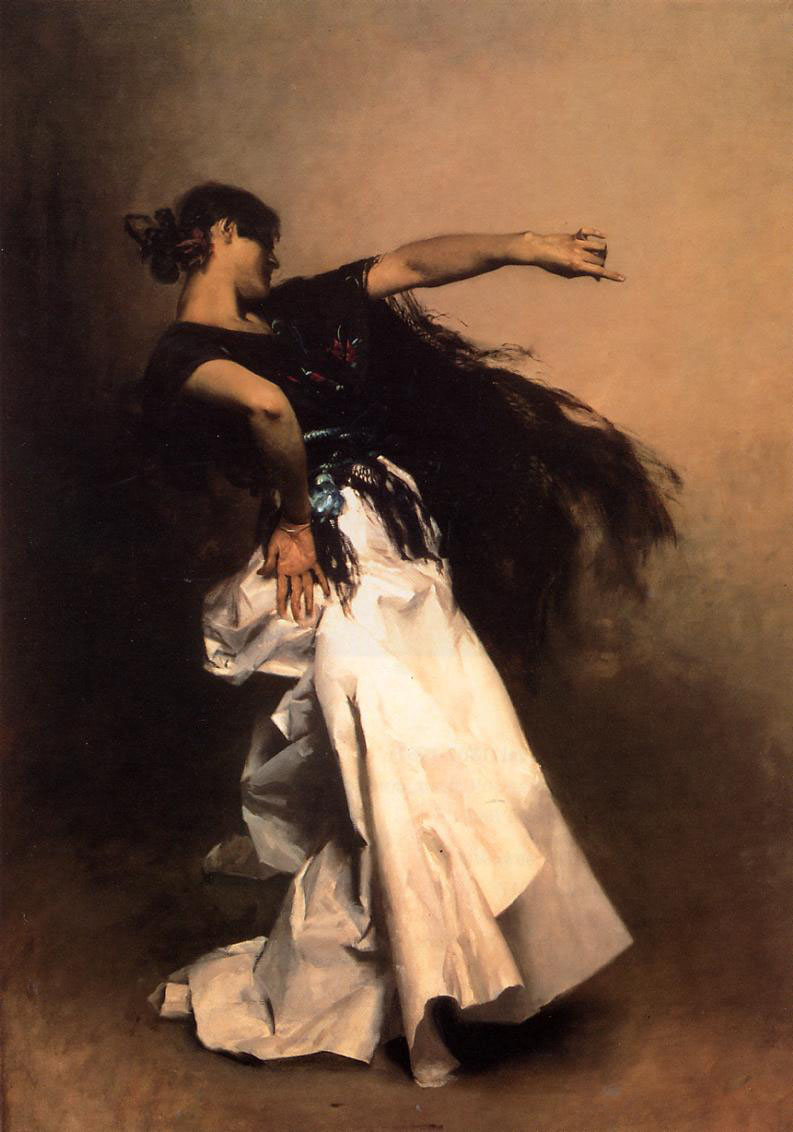 🇪🇸 SpainFlamenco
A dramatic dance and music tradition rooted in Andalusia's gitano and folk culturesFolk dance · Solo · Group
🇪🇸 SpainFlamenco
A dramatic dance and music tradition rooted in Andalusia's gitano and folk culturesFolk dance · Solo · Group
 🇦🇷 Argentina and 1 moreTango
A partner dance from the Río de la Plata, danced in close or open embraceSocial dance · Couple
🇦🇷 Argentina and 1 moreTango
A partner dance from the Río de la Plata, danced in close or open embraceSocial dance · Couple
 🇦🇹 Austria and 4 moreWaltz
A turning couple dance in triple time, first popular in 18th-century EuropeBallroom or Latin dance · Couple
🇦🇹 Austria and 4 moreWaltz
A turning couple dance in triple time, first popular in 18th-century EuropeBallroom or Latin dance · Couple
 🇧🇷 BrazilCapoeira
A Brazilian martial art that blends dance, acrobatics, and music in a circle gameWar or martial dance · Circle · Solo
🇧🇷 BrazilCapoeira
A Brazilian martial art that blends dance, acrobatics, and music in a circle gameWar or martial dance · Circle · Solo