
Interpretive dance
A modern dance style focused on expressing emotion through natural movement rather than rigid technique.
Interpretive dance is a family of modern styles that emerged around 1900. It rejects ballet's strict rules to translate human feelings into movement. Pioneers like Isadora Duncan and Martha Graham shaped its expressive, free-flowing nature.
Watch it dancedShare on WhatsApp
- Isadora Duncan rejected ballet's rigid rules around 1900.
- Dancers perform barefoot in loose-fitting tunics.
- Martha Graham explored psychological themes in her work.
- Merce Cunningham embraced chance procedures in choreography.
- The style focuses on emotion rather than technical virtuosity.
What is Interpretive dance?
This style uses the body to show inner feelings instead of following set steps. Dancers move freely to share emotions or ideas. The focus is on expression, not technical perfection. It often involves large arm movements and drops to the floor. Performers may use lighting and sets to build mood. Music helps guide the feeling but is not always required.
Where does Interpretive dance come from?
The movement started near 1900 with Isadora Duncan. She hated ballet's tight shoes and rules. She danced barefoot in loose dresses. Ruth St. Denis added Eastern spiritual ideas. Later, Martha Graham explored deep psychology. Doris Humphrey studied falling and rising. Merce Cunningham tried random chance methods. These artists broke away from old traditions.
How is Interpretive dance danced?
Dancers avoid rigid poses. They use natural, flowing motions. The body might twist, turn, or fall to the ground. Partners work together in new ways. Floor work is common. The face shows intense emotion. Movements are not counted or fixed. Each dancer finds their own way to express the theme. The style allows for improvisation within the performance.
The music of Interpretive dance
Classical concert music was used at first. Later, avant-garde sounds appeared. Some pieces have no music at all. The rhythm follows the emotion, not a beat. Singing is not typical. The sound supports the mood of the piece. Silence can be part of the experience. The music enhances the dramatic expression without controlling it.
Costume and what is carried
Bare feet are standard. Early dancers wore loose tunics. This allowed full freedom of motion. Elaborate costumes appeared later. Lighting changes the look of the stage. Sets help tell the story. Makeup is not usually highlighted. The dress should not restrict the body. Comfort is key for natural movement.
When and where Interpretive dance is danced
It is performed on stage for an audience. Schools teach the techniques. Studios offer classes in the style. People learn it to express themselves. It is not tied to a specific festival. Communities gather to watch performances. It is a form of art presented publicly. Training happens in dedicated spaces.
Styles of Interpretive dance
Martha Graham developed a unique technique. Doris Humphrey focused on gravity. Merce Cunningham used chance procedures. Each pioneer created a different approach. Modern versions mix ethnic movements. Some styles blend with other forms. The core idea remains emotional expression. Variations exist across different schools.
What Interpretive dance means
It is seen as a performing art. It challenges traditional dance norms. Many consider it a rebellion against ballet. It values individual expression over group uniformity. Films sometimes feature this style. It influences contemporary dance today. The legacy of pioneers lives on. It is respected in dance history.
Questions people ask about Interpretive dance
What is interpretive dance?
It is a modern dance family starting around 1900. It uses movement to show feelings instead of telling stories. Dancers reject strict ballet rules for natural flow.
Who started interpretive dance?
Isadora Duncan began it around 1900. She danced barefoot in loose clothes. Ruth St. Denis added Eastern influences. Martha Graham and others expanded the style later.
How does it differ from ballet?
It avoids rigid technique and restrictive costumes. Dancers use freer, more natural movements. The focus is on emotional expression rather than perfect form or linear narratives.
What kind of music is used?
Classical concert music was common early on. Avant-garde music appears in later works. Some pieces have no music at all. The sound supports the mood of the performance.
Good reading and sources
- Interpretive dance on WikipediaEncyclopedia
- Wikidata recordOpen data
- Videos of Interpretive dance on YouTubeSearch results, not chosen by EveryGhunghroo
The facts on this page come from the Wikipedia article "Interpretive dance", written by its contributors and used under the CC BY-SA 4.0 licence, and from its Wikidata record (CC0). EveryGhunghroo rewrote the text in its own words, with AI assistance, and compares every page with the article to make sure no passage is copied. It may be reused under the same CC BY-SA 4.0 licence with a link back.
It may contain mistakes, and it describes the dance in outline: it is not a lesson. Traditions differ from one teacher, village or family to the next. If something is wrong, tell us. Last refreshed 2026-10-04.
Its cousins elsewhere
All ballet and concert dance 🇮🇹 Italy and 4 moreBallet
A technical concert dance that evolved from Renaissance courts into a global stage artClassical dance · Solo · Couple
🇮🇹 Italy and 4 moreBallet
A technical concert dance that evolved from Renaissance courts into a global stage artClassical dance · Solo · Couple
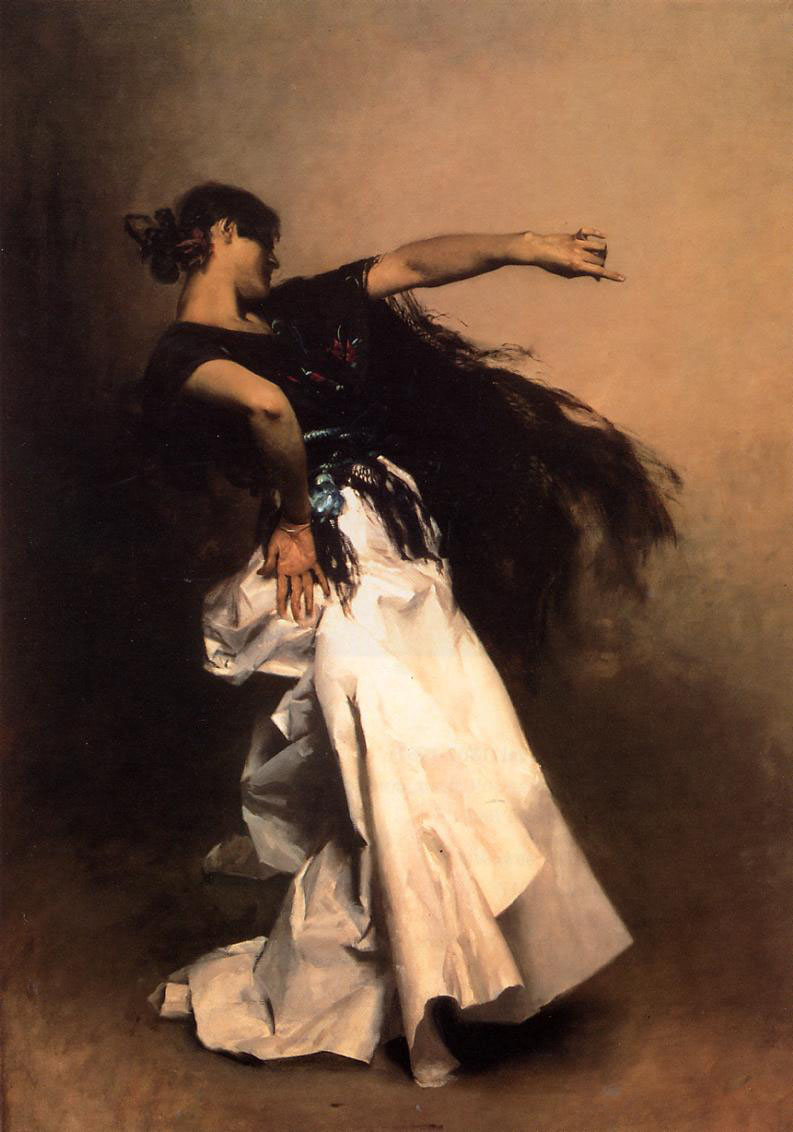 🇪🇸 SpainFlamenco
A southern Spanish art form of rhythmic footwork, singing, and acoustic guitarFolk dance · Solo · Group
🇪🇸 SpainFlamenco
A southern Spanish art form of rhythmic footwork, singing, and acoustic guitarFolk dance · Solo · Group
 🇦🇷 Argentina and 4 moreTango
A dramatic partner dance born in the ports of the Río de la Plata.Social dance · Couple
🇦🇷 Argentina and 4 moreTango
A dramatic partner dance born in the ports of the Río de la Plata.Social dance · Couple
 🇦🇷 Argentina and 1 moreArgentine tango
A partner dance from Buenos Aires suburbs, defined by the bandoneon and an intimate embrace.Social dance · Couple
🇦🇷 Argentina and 1 moreArgentine tango
A partner dance from Buenos Aires suburbs, defined by the bandoneon and an intimate embrace.Social dance · Couple