
Karakattam
A Tamil folk dance balancing decorated pots on the head in honor of Mariamman
Karakattam is a traditional dance from Tamil Nadu, India, where dancers balance flower-adorned pots on their heads while moving to rhythmic patterns. Often dedicated to the goddess Mariamman, it is performed at festivals, fairs, and rituals to pray for rain or as a form of entertainment. Both women and men may take part, and the dance has inspired related practices in the Caribbean.
Watch it dancedShare on WhatsApp
- Dancers balance decorated pots on their heads while moving to rhythmic steps
- Linked to worship of the goddess Mariamman in Tamil Nadu
- Variations exist in the Caribbean as Karagam Puja
- Props include flowers, neem leaves, and sometimes a coconut
- Both ritual and entertainment forms are practiced
What is Karakattam?
Karakattam is a folk dance from Tamil Nadu where performers balance pots, often decorated with flowers and neem leaves, on their heads. The dance is closely linked to worship of the goddess Mariamman and is seen at festivals and community gatherings. Movements involve coordinated steps and expressive gestures, sometimes with multiple pots stacked. Both women and men may participate, and the dance can be performed solo or in groups. The decorated pots and lively steps make the performance visually striking.
Where does Karakattam come from?
Karakattam traces its roots to Tamil Nadu and is mentioned in Tamil literature as a blend of Bharatham and other local dances. Traditionally, it was part of rituals to request rainfall and was a fixture at festivals and fairs. Over time, the dance has adapted and traveled, with Indo-Caribbean communities developing their own forms, such as Karagam Puja. The dance continues to evolve, reflecting both its ritual origins and changing social contexts.
How is Karakattam danced?
Dancers stand upright and balance a pot on their head, moving with careful, rhythmic steps. The arms and hands are used for expressive gestures, and the body sways or turns in time with the music. Sometimes, performers carry more than one pot, stacking them for added challenge. In group settings, dancers may move in coordinated patterns. The dance requires balance, poise, and control, especially when the pots are filled with water.
Karakattam, drawn
The music of Karakattam
While the sources do not specify instruments, Karakattam is typically accompanied by folk rhythms and songs that set the pace for the dancers. The music helps guide the steps and hand movements, and singing or clapping may be part of the performance. In some rituals, the music can intensify, supporting trance states or processions.
Costume and what is carried
Traditional female dancers wear saris, while men may use makeup and join in certain roles. The main prop is the pot, often decorated with flowers like neem and oleander, and sometimes topped with a coconut. In some versions, a staff with neem leaves is carried. Modern performances may feature more revealing costumes and bright makeup, especially in entertainment settings.
When and where Karakattam is danced
Karakattam is performed at festivals, religious ceremonies, and community fairs, especially in honor of Mariamman. In the Caribbean, related rituals last several days and include processions, offerings, and acts of devotion. The dance is passed down through families and communities, with both ritual and entertainment versions practiced.
Styles of Karakattam
There are several forms of Karakattam. Sakthi Karakam is a temple ritual, while Aatta Karakam is performed for enjoyment. In the Caribbean, Karagam Puja or Kalasa Puja includes processions, offerings to various deities, and ritual acts such as walking on coals or entering trance. The dance has also changed in modern times, with new costume styles and performance settings.
What Karakattam means
Karakattam is a symbol of Tamil folk tradition and devotion to Mariamman. It is a way for communities to come together, pray for rain, and celebrate shared beliefs. The dance features in Tamil films and has been adapted by the Tamil diaspora, especially in the Caribbean. Its ritual and entertainment forms reflect ongoing changes in culture and society.
Questions people ask about Karakattam
Where does Karakattam come from?
Karakattam began in Tamil Nadu, India, and is also practiced in Sri Lanka and among Tamil communities in the Caribbean.
When is Karakattam performed?
It is danced at festivals, religious ceremonies, and fairs, often to honor the goddess Mariamman or to pray for rain.
Who can perform Karakattam?
Traditionally, women performed Karakattam, but men may also take part, especially in group or ritual settings.
What do dancers balance on their heads?
They balance clay or metal pots, which are decorated with flowers, neem leaves, and sometimes a coconut.
Are there different styles of Karakattam?
Yes, some forms are ritual offerings in temples, while others are performed for entertainment or as part of community celebrations.
Good reading and sources
- Karakattam on WikipediaEncyclopedia
- Wikidata recordOpen data
- Videos of Karakattam on YouTubeSearch results, not chosen by Ghungroo
The facts on this page come from the Wikipedia article "Karakattam", written by its contributors and used under the CC BY-SA 4.0 licence, and from its Wikidata record (CC0). Ghungroo rewrote the text in its own words, with AI assistance, and compares every page with the article to make sure no passage is copied. It may be reused under the same CC BY-SA 4.0 licence with a link back.
It may contain mistakes, and it describes the dance in outline: it is not a lesson. Traditions differ from one teacher, village or family to the next. If something is wrong, tell us. Last refreshed 2026-10-03.
More from India
All the dances of India 🇮🇳 India and 1 moreFolk dance
Traditional group dances rooted in local life and passed down through generationsFolk dance · Group · Circle
🇮🇳 India and 1 moreFolk dance
Traditional group dances rooted in local life and passed down through generationsFolk dance · Group · Circle
 🇮🇳 IndiaBharatanatyamபரதநாட்டியம்
A South Indian classical dance from Tamil Nadu, performed solo in temples and on stages.Classical dance · Solo
🇮🇳 IndiaBharatanatyamபரதநாட்டியம்
A South Indian classical dance from Tamil Nadu, performed solo in temples and on stages.Classical dance · Solo
 🇮🇳 IndiaDhunuchi nritya
A dance with incense burners during Durga Puja in BengalFolk dance · Solo · Group
🇮🇳 IndiaPaika akhada
A martial dance with swords and shields from Odisha, rooted in warrior trainingWar or martial dance · Group · Line or chain
🇮🇳 IndiaDhunuchi nritya
A dance with incense burners during Durga Puja in BengalFolk dance · Solo · Group
🇮🇳 IndiaPaika akhada
A martial dance with swords and shields from Odisha, rooted in warrior trainingWar or martial dance · Group · Line or chain
Its cousins elsewhere
All folk dances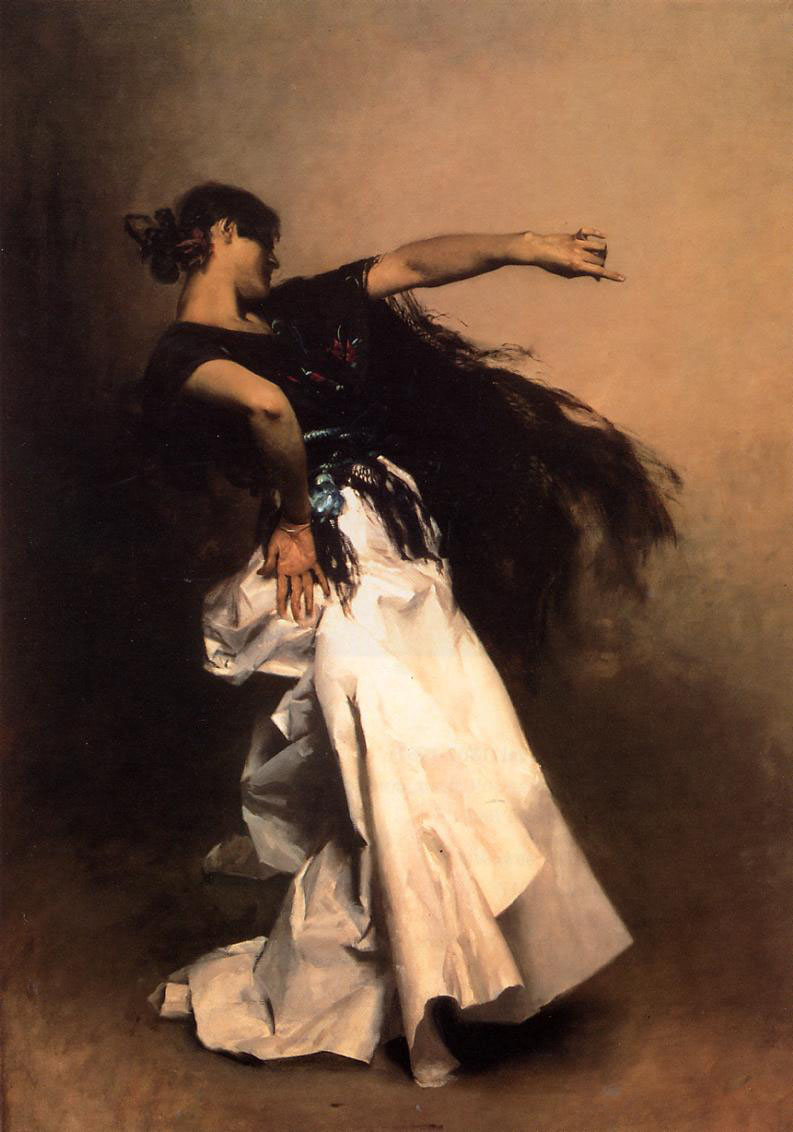 🇪🇸 SpainFlamenco
A dramatic dance and music tradition rooted in Andalusia's gitano and folk culturesFolk dance · Solo · Group
🇪🇸 SpainFlamenco
A dramatic dance and music tradition rooted in Andalusia's gitano and folk culturesFolk dance · Solo · Group
 🇦🇷 Argentina and 1 moreTango
A partner dance from the Río de la Plata, danced in close or open embraceSocial dance · Couple
🇦🇷 Argentina and 1 moreTango
A partner dance from the Río de la Plata, danced in close or open embraceSocial dance · Couple
 🇦🇹 Austria and 4 moreWaltz
A turning couple dance in triple time, first popular in 18th-century EuropeBallroom or Latin dance · Couple
🇦🇹 Austria and 4 moreWaltz
A turning couple dance in triple time, first popular in 18th-century EuropeBallroom or Latin dance · Couple
 🇧🇷 BrazilCapoeira
A Brazilian martial art that blends dance, acrobatics, and music in a circle gameWar or martial dance · Circle · Solo
🇧🇷 BrazilCapoeira
A Brazilian martial art that blends dance, acrobatics, and music in a circle gameWar or martial dance · Circle · Solo