
Kaura
In its own language: कौडा/ चुड्का
A folk dance of western Nepal performed by Gurung and Magar communities during festivals.
Kaura is a traditional folk performance from the hilly regions of western Nepal. It is practiced primarily by the Gurung, Magar, Dura, Darai, and Kumal peoples. The dance features rhythmic movements set to music played on the Khaijandi instrument.
Watch it dancedShare on WhatsApp
- Known as Kauda or Chudka in local dialects.
- Originates from the western hilly regions of Nepal.
- Associated with the Gurung, Magar, Dura, Darai, and Kumal communities.
- Developed within the Rodhi culture system.
- Women dancers wear jharra on their legs.
What is Kaura?
Kaura, also called Kauda or Chudka, is a folk dance form native to the western hills of Nepal. It is closely associated with the Gurung, Magar, Dura, Darai, and Kumal communities. The performance involves rhythmic body movements accompanied by traditional music. Dancers wear ankle bells known as jharra while moving to the beat of the Khaijandi instrument.
Where does Kaura come from?
The dance originated in the western part of Nepal, specifically linked to the Tanahu region. It is believed to have developed within the Rodhi culture system, a social tradition found in these communities. The practice serves to showcase the heritage and identity of the local people who reside in these hilly areas.
How is Kaura danced?
The dance consists of rhythmic steps performed to the sound of the Khaijandi. Women typically wear jharra on their legs to accentuate the movement. The performance often requires an odd number of female dancers, ranging from three to thirteen. Only unmarried women are traditionally considered suitable for this role, though men may participate as well.
The music of Kaura
The musical accompaniment centers on the Khaijandi instrument. Men are often responsible for singing to the rhythm of this instrument while the women dance. A single verse is sung repeatedly to establish the rhythm for the dancers. The song Syahi-Syahi is frequently used, though its specific meaning during the event is not always clear.
Costume and what is carried
Female dancers wear jharra, which are decorative items attached to their legs. These props create sound and visual emphasis as the dancers move. The attire is distinctive and integral to the authenticity of the performance, distinguishing it from other forms of expression.
When and where Kaura is danced
Kaura is performed during festivals and cultural celebrations. It acts as a display of community pride and identity for the Gurung, Magar, and related groups. The dance is passed down through generations within the Rodhi culture framework, maintaining its role in social gatherings.
Styles of Kaura
There are concerns that commercialization and external influences are altering the traditional authenticity of Kaura. Some view these changes as negative perversions, while others see them as natural cultural evolution. Despite these shifts, the core elements of the dance remain recognizable.
What Kaura means
The dance is a vital part of the cultural identity for the Gurung, Magar, Dura, Darai, and Kumal peoples. It reflects the values and history of the western hilly regions of Nepal. The debate over its modernization highlights the tension between preserving tradition and adapting to contemporary contexts.
Questions people ask about Kaura
What is Kaura?
Kaura is a folk dance from western Nepal, also known as Kauda or Chudka. It is performed by communities like the Gurung and Magar people to celebrate their heritage and identity during cultural events.
Where does Kaura come from?
It originates in the western hilly regions of Nepal, particularly around Tanahu. The dance is believed to have developed within the Rodhi culture system of these local communities.
Who performs Kaura?
The dance is practiced by the Gurung, Magar, Dura, Darai, and Kumal peoples. Traditionally, an odd number of unmarried women dance while men sing and play instruments.
What instruments are used?
The primary instrument is the Khaijandi. Men typically sing to its rhythm while women perform the dance steps wearing ankle bells called jharra.
Good reading and sources
- Kaura (dance) on WikipediaEncyclopedia
- Wikidata recordOpen data
- Videos of Kaura on YouTubeSearch results, not chosen by EveryGhunghroo
The facts on this page come from the Wikipedia article "Kaura (dance)", written by its contributors and used under the CC BY-SA 4.0 licence, and from its Wikidata record (CC0). EveryGhunghroo rewrote the text in its own words, with AI assistance, and compares every page with the article to make sure no passage is copied. It may be reused under the same CC BY-SA 4.0 licence with a link back.
It may contain mistakes, and it describes the dance in outline: it is not a lesson. Traditions differ from one teacher, village or family to the next. If something is wrong, tell us. Last refreshed 2026-10-04.
More from Nepal
All the dances of Nepal 🇳🇵 Nepal and 3 moreDeusi-Bhailoदेउसी-भैलो
A house-to-house singing and dancing tradition during Tihar in NepalFolk dance · Group · Procession
🇳🇵 Nepal and 3 moreDeusi-Bhailoदेउसी-भैलो
A house-to-house singing and dancing tradition during Tihar in NepalFolk dance · Group · Procession
 🇬🇷 Greece and 5 moreCircle dance
A group dance in a circle or curved line, joined by hand and led around the floorFolk dance · Circle · Line or chain
🇬🇷 Greece and 5 moreCircle dance
A group dance in a circle or curved line, joined by hand and led around the floorFolk dance · Circle · Line or chain
 🇮🇳 India and 1 moreChholiyaछोलिया
A Kumaoni sword dance performed by men in a marriage procession to ward off evil spirits.Folk dance · Group
🇮🇳 India and 1 moreDomkach
A semi-circle wedding dance with satirical songs, danced by families.Folk dance · Circle
🇮🇳 India and 1 moreChholiyaछोलिया
A Kumaoni sword dance performed by men in a marriage procession to ward off evil spirits.Folk dance · Group
🇮🇳 India and 1 moreDomkach
A semi-circle wedding dance with satirical songs, danced by families.Folk dance · Circle
Its cousins elsewhere
All folk dances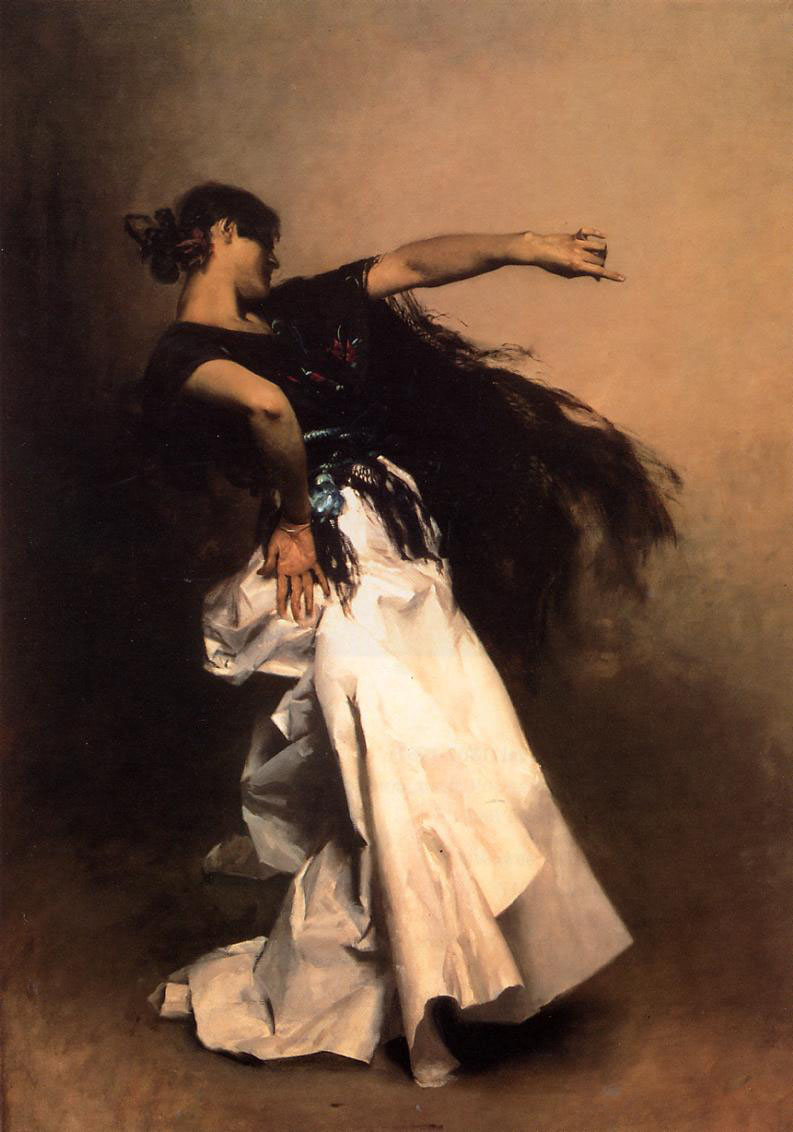 🇪🇸 SpainFlamenco
A dramatic dance and music tradition rooted in Andalusia's gitano and folk culturesFolk dance · Solo · Group
🇪🇸 SpainFlamenco
A dramatic dance and music tradition rooted in Andalusia's gitano and folk culturesFolk dance · Solo · Group
 🇦🇷 Argentina and 1 moreTango
A partner dance from the Río de la Plata, danced in close or open embraceSocial dance · Couple
🇦🇷 Argentina and 1 moreTango
A partner dance from the Río de la Plata, danced in close or open embraceSocial dance · Couple
 🇦🇹 Austria and 4 moreWaltz
A turning couple dance in triple time, first popular in 18th-century EuropeBallroom or Latin dance · Couple
🇦🇹 Austria and 4 moreWaltz
A turning couple dance in triple time, first popular in 18th-century EuropeBallroom or Latin dance · Couple
 🇧🇷 BrazilCapoeira
A Brazilian martial art that blends dance, acrobatics, and music in a circle gameWar or martial dance · Circle · Solo
🇧🇷 BrazilCapoeira
A Brazilian martial art that blends dance, acrobatics, and music in a circle gameWar or martial dance · Circle · Solo