
Circle dance
A group dance in a circle or curved line, joined by hand and led around the floor
Circle dance is a social group dance where people join hands in a circle, semicircle, or curved line and move together to music or singing. Found in many cultures from Europe to the Middle East and South Asia, it is danced for festivals, rituals, celebrations, and community gatherings, with anyone able to join in.
Watch it dancedShare on WhatsApp
- Danced in a circle, semicircle, or curved line, holding hands or shoulders
- Anyone can join in; no partners are needed
- Found in weddings, festivals, rituals, and community events worldwide
- Some versions use props like handkerchiefs, flowers, or a central fire
- Evidence of circle dancing dates back to ancient cave paintings and medieval art
What is Circle dance?
Circle dance is a group dance where people form a circle, semicircle, or curved line, holding hands, fingers, or shoulders. The dancers follow a leader, moving together to music or singing. The dance can be gentle or lively, and is open to all, with no partners needed. It is found at weddings, festivals, rituals, and social gatherings in many cultures, and can be either uplifting or meditative. Some versions use props like handkerchiefs or flowers, or dance around a fire or a decorated centerpiece.
Where does Circle dance come from?
Circle dance is considered one of the oldest dance formations, with evidence from cave paintings in India showing hand-in-hand dancers from the Mesolithic period. Medieval tombstones in Bosnia and frescoes in Europe depict men and women dancing in circles or chains. The dance has roots in ancient rituals, community celebrations, and religious ceremonies across Europe, the Middle East, and South Asia. Despite bans or criticism from authorities at times, it remained popular and adapted to new music and occasions.
How is Circle dance danced?
Dancers stand side by side, joining hands, fingers, or shoulders, and move in a circle or curved line. The group follows a leader, who may set the pace or improvise steps. Movements range from simple walking steps to energetic stamping or intricate footwork, depending on the tradition. Some styles involve arm swings, spirals, or changing directions. The group may sing or clap as they move, and the dance can expand as more people join.
Circle dance, drawn
The music of Circle dance
Circle dances are accompanied by a wide range of music, from live singing and clapping to instruments like tambourines. The rhythm and style depend on the region and occasion, with some dances using traditional folk tunes and others set to modern or classical music. In some forms, the dancers themselves provide the music by singing or clapping, while in others, musicians play for the group.
Costume and what is carried
Costume varies by region and occasion. Some dancers wear everyday clothes, while others dress in traditional or festive outfits. Props such as handkerchiefs, flowers, or even a central fire or floral arrangement may be used, especially in ritual or ceremonial dances. In some traditions, the leader or certain dancers may carry or wear special items.


When and where Circle dance is danced
Circle dance is performed at many types of gatherings: weddings, festivals, religious ceremonies, seasonal celebrations, and social events. It is open to anyone, often with no formal training required. Some dances mark special days, like Dita e Verës in Albania, or are part of worship or meditation. The tradition is passed on through community participation and regular group meetings.
Styles of Circle dance
There are many regional and cultural variations, such as the Greek Kalamatianos, Balkan Hora, Serbian Kolo, Catalan Sardana, Breton An Dro, and Middle Eastern Dabke. Each has its own steps, formations, and customs. Modern circle dance groups may mix traditional folk dances with newly choreographed ones, set to a variety of music. Some forms emphasize ritual or meditation, while others focus on social enjoyment.
What Circle dance means
Circle dance is valued for building community and marking important moments. It is seen as a way to connect people, celebrate, and express identity. Some forms are linked to religious or spiritual practice, while others are central to national or local traditions. The dance has survived bans and criticism, and continues to adapt, with new dances and groups forming worldwide.
Questions people ask about Circle dance
Where does circle dance come from?
Circle dance is found in many cultures, with ancient origins shown in cave paintings from India and medieval art across Europe and the Middle East. It is considered one of the oldest dance formations.
When is circle dance performed?
Circle dances are done at weddings, festivals, religious ceremonies, seasonal celebrations, and social gatherings. Some are tied to special days like Dita e Verës in Albania.
Who can take part in a circle dance?
Anyone can join a circle dance. It is open to all, with no need for partners or formal training.
What music is used for circle dance?
Circle dances use a range of music, from singing and clapping to instruments like tambourines. The style and rhythm depend on the tradition and occasion.
Are there different types of circle dance?
Yes, there are many regional forms such as Hora, Kolo, Kalamatianos, Sardana, An Dro, Dabke, and others, each with its own steps and customs.
Good reading and sources
- Encyclopaedia BritannicaArticle
- Kurdish DanceSmithsonian Magazine, Article
- James Mooney Recordings of American Indian Ghost Dance Songs, 1894Library of Congress, Article
- Circle dance on WikipediaEncyclopedia
- More photos and video on Wikimedia CommonsPhotos and video
- Wikidata recordOpen data
- Videos of Circle dance on YouTubeSearch results, not chosen by Ghungroo
The facts on this page come from the Wikipedia article "Circle dance", written by its contributors and used under the CC BY-SA 4.0 licence, and from its Wikidata record (CC0). Ghungroo rewrote the text in its own words, with AI assistance, and compares every page with the article to make sure no passage is copied. It may be reused under the same CC BY-SA 4.0 licence with a link back.
It may contain mistakes, and it describes the dance in outline: it is not a lesson. Traditions differ from one teacher, village or family to the next. If something is wrong, tell us. Last refreshed 2026-10-03.
More from Greece
All the dances of Greece 🇦🇹 Austria and 4 moreWaltz
A turning couple dance in triple time, first popular in 18th-century EuropeBallroom or Latin dance · Couple
🇦🇹 Austria and 4 moreWaltz
A turning couple dance in triple time, first popular in 18th-century EuropeBallroom or Latin dance · Couple
 🇮🇹 Italy and 2 moreTarantella
A fast southern Italian folk dance in six-eight time, accompanied by tambourines and hand clapping.Folk dance · Solo · Couple
🇮🇹 Italy and 2 moreTarantella
A fast southern Italian folk dance in six-eight time, accompanied by tambourines and hand clapping.Folk dance · Solo · Couple
 🇬🇷 Greece and 1 moreSirtakiσυρτάκι
A line dance that starts slow and speeds up, created for the film Zorba the Greek.Folk dance · Line or chain · Circle
🇹🇷 Turkey and 1 moreHasapikoχασάπικο
A two-speed Greek folk dance from Constantinople, first danced by its butchersFolk dance
🇬🇷 Greece and 1 moreSirtakiσυρτάκι
A line dance that starts slow and speeds up, created for the film Zorba the Greek.Folk dance · Line or chain · Circle
🇹🇷 Turkey and 1 moreHasapikoχασάπικο
A two-speed Greek folk dance from Constantinople, first danced by its butchersFolk dance
Its cousins elsewhere
All folk dances 🇮🇳 India and 2 moreGiddhaਗਿੱਧਾ
A Punjabi women's folk dance in a singing, clapping circleFolk dance · Circle
🇮🇳 India and 2 moreGiddhaਗਿੱਧਾ
A Punjabi women's folk dance in a singing, clapping circleFolk dance · Circle
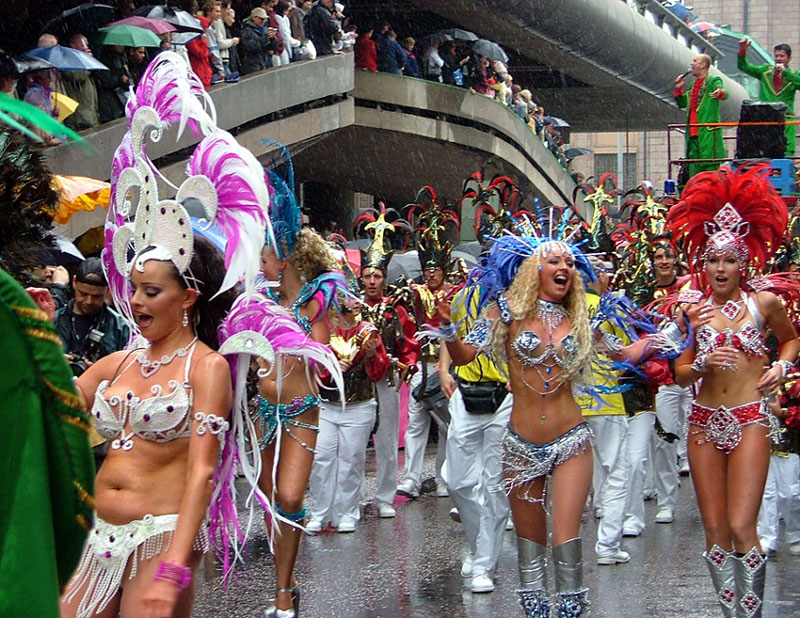 🇧🇷 BrazilSamba
A lively Brazilian dance with fast footwork and syncopated rhythmsFolk dance · Solo · Couple
🇧🇷 BrazilSamba
A lively Brazilian dance with fast footwork and syncopated rhythmsFolk dance · Solo · Couple
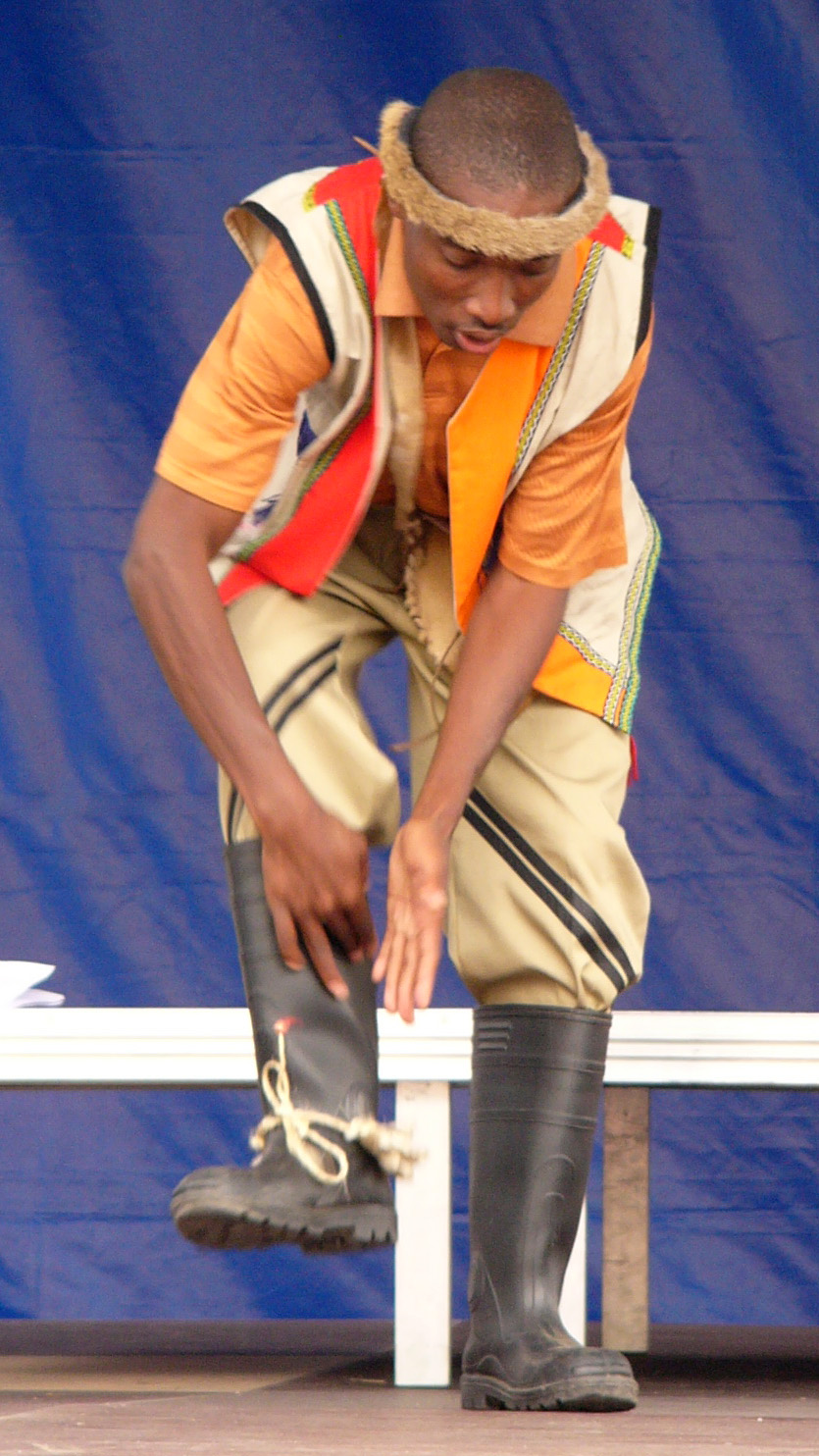 🇿🇦 South AfricaGumboot dance
A South African dance performed in rubber boots, using stamping and slapping for rhythmFolk dance · Group
🇿🇦 South AfricaGumboot dance
A South African dance performed in rubber boots, using stamping and slapping for rhythmFolk dance · Group
 🇮🇳 IndiaFugdi
A circle dance of clapping and singing by women in Goa and the KonkanFolk dance · Circle · Group
🇮🇳 IndiaFugdi
A circle dance of clapping and singing by women in Goa and the KonkanFolk dance · Circle · Group