
Lambada
A close-contact partner dance from Brazil with side-to-side hip movement and spins.
Lambada is a Brazilian partner dance that originated in the state of Pará. It gained global fame in the late 1980s through music by Kaoma. Dancers move with arched legs and pronounced hip sways, often wearing short skirts for women.
Watch it dancedShare on WhatsApp
- Originated in Pará, Brazil, blending carimbó and maxixe.
- Features side-to-side steps and pronounced hip movements.
- Global hit single released by Kaoma in 1989.
- Dancers often wear short skirts to accentuate spins.
- Popularized during Carnival in Porto Seguro, Bahia.
What is Lambada?
Lambada is a lively social dance from Brazil performed by couples. The style features arched legs and continuous side-to-side steps rather than forward or backward movements. Dancers emphasize strong hip rotations and fluid body waves. In its popular form, it is characterized by fast spinning, where women often wear short skirts that flare out during turns.
Where does Lambada come from?
The dance emerged in the northern state of Pará around the early 1980s. It evolved from earlier regional styles like carimbó and maxixe, which involved close contact and sensual rhythms. Local musicians in Belém began labeling this new beat as lambada. The style later moved to Bahia, where it incorporated elements of forró and cumbia, solidifying its recognizable form in Porto Seguro.
How is Lambada danced?
Partners dance in a close embrace with knees slightly bent. The footwork moves strictly from side to side, avoiding front-to-back travel. The core action involves sharp hip isolations and rotational spins. The body creates a wave-like motion, distinct from other Latin dances. Leaders guide followers through complex turns while maintaining physical connection.
Lambada, drawn
The music of Lambada
The original music was driven by wooden drums and the guitarrada guitar. Later versions fused these with electronic Caribbean beats. A famous worldwide hit used a Bolivian melody adapted into Portuguese. The rhythm is typically upbeat and syncopated, supporting the fast-paced spinning and hip movements of the dancers.
Costume and what is carried
Traditional attire includes long trousers for men and short skirts for women. The short skirts are functional, allowing them to swirl dramatically during spins. This look became iconic during the 1980s craze. Dancers often perform barefoot or in light shoes suitable for quick pivots on beach floors.

When and where Lambada is danced
The dance started in local cabanas and beach bars in Pará and Bahia. It became a major attraction during Carnival seasons in Porto Seguro. International popularity surged after French promoters packaged local dancers into the group Kaoma. Today it is danced in clubs and competitions worldwide.
Styles of Lambada
Modern interpretations sometimes blend Lambada with zouk, salsa, or merengue. Some styles add acrobatic jumps or rock spins, while purists prefer the original smooth, intimate contact. The term Zouk-Lambada is used in some regions to describe this hybridized, slower-paced evolution.
What Lambada means
Lambada faced controversy due to its sensual nature and association with 'dirty dancing.' It was briefly banned in some areas but survived through club culture. The 1989 song by Kaoma brought it to global attention, though it faced legal challenges over copyright. It remains a symbol of Brazilian coastal party culture.
Questions people ask about Lambada
Where did Lambada originate?
It originated in the northern Brazilian state of Pará in the early 1980s, evolving from local rhythms like carimbó before spreading to Bahia.
What makes Lambada different from other Latin dances?
It uses strict side-to-side footwork with arched legs and no forward/backward steps, emphasizing strong hip rotations and fluid body waves.
Why are short skirts associated with Lambada?
Short skirts became fashionable in the 1980s and allow the fabric to swirl dramatically during the frequent spins performed by female dancers.
How did Lambada become internationally famous?
French promoter Olivier Lamotte d'Incamps formed the band Kaoma with Brazilian dancers, releasing a hit song in 1989 that sparked a global craze.
Good reading and sources
- Lambada (dance) on WikipediaEncyclopedia
- Wikidata recordOpen data
- Videos of Lambada on YouTubeSearch results, not chosen by Ghungroo
The facts on this page come from the Wikipedia article "Lambada (dance)", written by its contributors and used under the CC BY-SA 4.0 licence, and from its Wikidata record (CC0). Ghungroo rewrote the text in its own words, with AI assistance, and compares every page with the article to make sure no passage is copied. It may be reused under the same CC BY-SA 4.0 licence with a link back.
It may contain mistakes, and it describes the dance in outline: it is not a lesson. Traditions differ from one teacher, village or family to the next. If something is wrong, tell us. Last refreshed 2026-10-03.
More from Brazil
All the dances of Brazil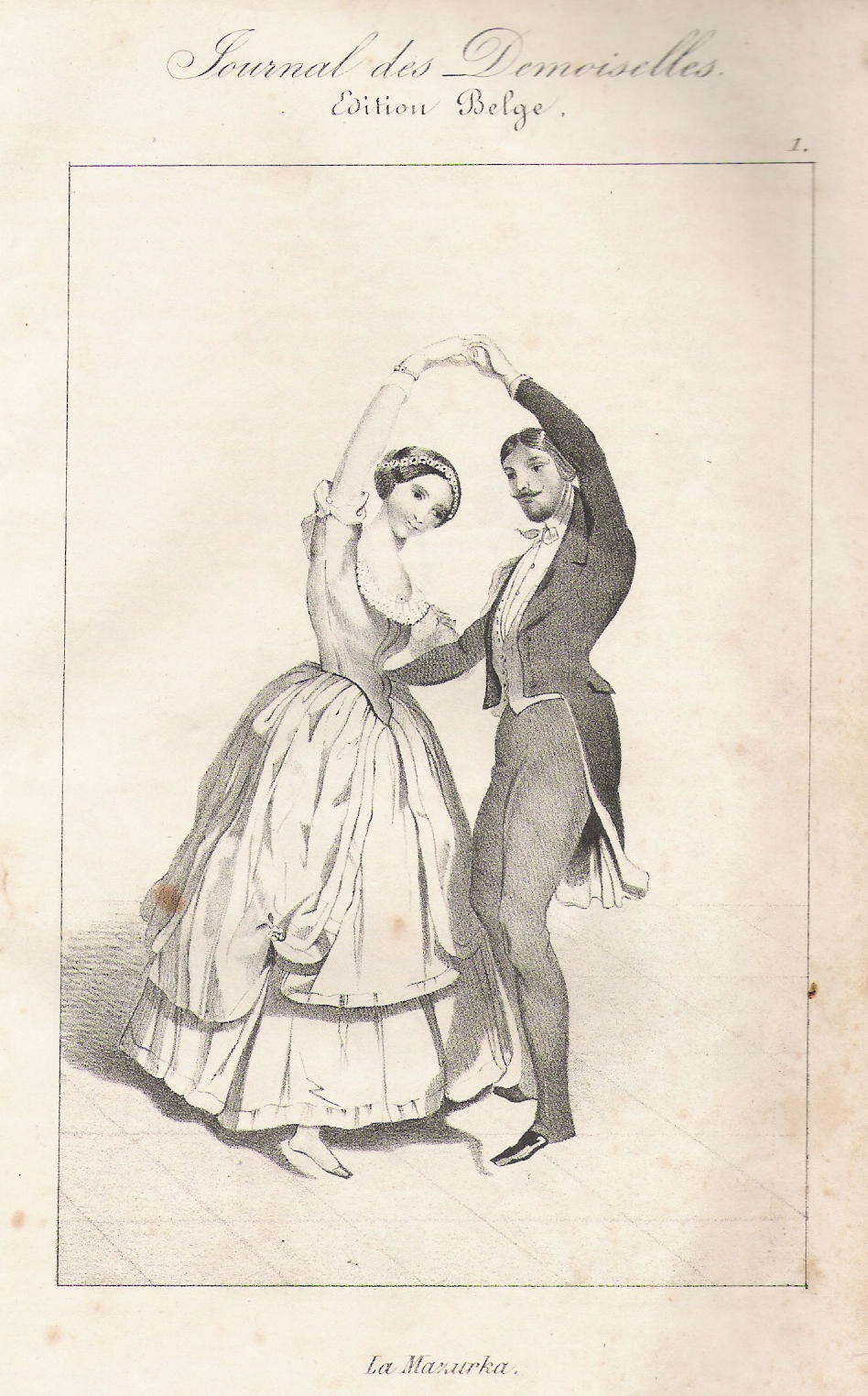 🇵🇱 Poland and 5 moreMazurka
A lively Polish folk dance in triple time, known for its shifting accentsFolk dance · Couple · Group
🇵🇱 Poland and 5 moreMazurka
A lively Polish folk dance in triple time, known for its shifting accentsFolk dance · Couple · Group
 🇬🇧 United Kingdom and 5 moreBallroom dance
Partner dances performed socially and in competition, with roots in EuropeSocial dance · Couple · Group
🇬🇧 United Kingdom and 5 moreBallroom dance
Partner dances performed socially and in competition, with roots in EuropeSocial dance · Couple · Group
 🇪🇸 Spain and 4 moreFandango
A lively Spanish partner dance in triple meter, accompanied by guitars and castanets.Folk dance · Couple · Group
🇪🇸 Spain and 4 moreFandango
A lively Spanish partner dance in triple meter, accompanied by guitars and castanets.Folk dance · Couple · Group
 🇦🇴 Angola and 4 moreKizomba
A slow partner dance from Angola, blending Semba steps with Zouk rhythms for social gatherings.Social dance · Couple
🇦🇴 Angola and 4 moreKizomba
A slow partner dance from Angola, blending Semba steps with Zouk rhythms for social gatherings.Social dance · Couple
Its cousins elsewhere
All social dances 🇪🇸 Spain and 1 moreJota
A lively Spanish folk dance with castanets and regional costumesFolk dance · Group
🇪🇸 Spain and 1 moreJota
A lively Spanish folk dance with castanets and regional costumesFolk dance · Group
 🇨🇩 Democratic Republic of the Congo and 2 moreSoukous
A fast-paced Congolese dance music style with intricate guitar work and energetic movement.Social dance
🇨🇩 Democratic Republic of the Congo and 2 moreSoukous
A fast-paced Congolese dance music style with intricate guitar work and energetic movement.Social dance
 🇨🇺 Cuba and 1 morePachanga
A lively Cuban partner dance with a bouncing knee action and strong downbeat.Social dance · Couple
🇺🇸 United States and 4 moreBoogaloobugalú
A 1960s New York dance style blending Latin rhythms with American soul and jazz.Social dance
🇨🇺 Cuba and 1 morePachanga
A lively Cuban partner dance with a bouncing knee action and strong downbeat.Social dance · Couple
🇺🇸 United States and 4 moreBoogaloobugalú
A 1960s New York dance style blending Latin rhythms with American soul and jazz.Social dance