
Llamerada
A dance honoring llama herders of the Andean highlands
Llamerada is a folk dance from Bolivia and Peru that depicts the life and work of llama herders in the Andean highlands. Dancers, often men, carry small llama figures and swing a sling, recalling the traditions of herding and trade across the altiplano. The dance is linked to rituals for good fortune and has roots in indigenous Andean culture.
Watch it dancedShare on WhatsApp
- Dancers carry a small llama figure and swing a sling
- Represents the work of Andean llama herders and traders
- Headdress resembles that of Aymara community leaders
- Linked to rituals for good fortune
What is Llamerada?
Llamerada is a group dance from the highland regions of Bolivia and Peru, performed mainly by men. It represents the daily work and journeys of llama herders, who moved between the altiplano and valleys to trade goods. Dancers typically carry a small llama figure in one hand and swing a sling in the other, echoing the tools and animals central to their lives. The dance is both a tribute to herding and a ritual for good fortune, rooted in Andean indigenous traditions.
Where does Llamerada come from?
The origins of Llamerada are not fully known, but some believe it dates back to Inca times, as llama herding has been vital to Andean peoples for centuries. The dance reflects the importance of llamas in trade and daily life in the highlands. Over time, the costumes and presentation have changed, with current headdresses said to resemble those worn by Aymara leaders and their wives. The dance remains a living tradition, connecting present-day communities to their ancestral past.
How is Llamerada danced?
Dancers in Llamerada form a group and move together, each holding a small llama figure in the left hand. With the right hand, they rotate a sling, known locally as a 'honda,' which was used by herders. The choreography mimics the actions of leading and managing llamas, with gestures and steps that recall the rhythms of herding and travel. The group moves in patterns that evoke the collective work of the herders.
Llamerada, drawn
Costume and what is carried
Costumes in Llamerada have evolved, but a key feature is the headdress, which is said to represent the traditional headgear of Aymara community leaders and their wives. Dancers also carry props: a small llama figure and a sling. The rest of the attire may vary, reflecting both historical and modern influences, but always connects to the herding theme.
When and where Llamerada is danced
Llamerada is performed at festivals and religious events in the Andean highlands, especially where llama herding is part of local life. It serves as both a celebration of herders' work and a ritual for good fortune. The dance is passed down within communities, keeping alive the connection to indigenous Andean culture.
Styles of Llamerada
The dance and costumes of Llamerada have changed over the decades, with different communities adapting the style and dress. The headdress, for example, now often resembles that of Aymara leaders, though this may differ from earlier versions. While the main elements remain, such as the llama figure and sling, details can vary by region and group.
What Llamerada means
Llamerada is more than a dance; it is a way for Andean communities to honor their history and the vital role of llama herders. It reflects indigenous beliefs and practices, especially those related to good fortune and the cycles of trade and herding. The dance helps preserve cultural identity and is a visible link to the region's past.
Questions people ask about Llamerada
Where does Llamerada come from?
Llamerada comes from the highland regions of Bolivia and Peru, where llama herding and trade have long been important to local communities.
When is Llamerada performed?
It is danced at festivals and religious events in Andean communities, especially in places where llama herding is a part of life.
Who usually dances Llamerada?
The dance is traditionally performed by men, representing the llama herders of the highlands.
What props are used in Llamerada?
Dancers hold a small llama figure in one hand and rotate a sling, known as a honda, in the other.
What does Llamerada represent?
Llamerada depicts the daily work and journeys of llama herders, and serves as a ritual for good fortune in Andean indigenous culture.
Good reading and sources
- Llamerada on WikipediaEncyclopedia
- More photos and video on Wikimedia CommonsPhotos and video
- Wikidata recordOpen data
- Videos of Llamerada on YouTubeSearch results, not chosen by Ghungroo
The facts on this page come from the Wikipedia article "Llamerada", written by its contributors and used under the CC BY-SA 4.0 licence, and from its Wikidata record (CC0). Ghungroo rewrote the text in its own words, with AI assistance, and compares every page with the article to make sure no passage is copied. It may be reused under the same CC BY-SA 4.0 licence with a link back.
It may contain mistakes, and it describes the dance in outline: it is not a lesson. Traditions differ from one teacher, village or family to the next. If something is wrong, tell us. Last refreshed 2026-10-03.
More from Bolivia
All the dances of Bolivia 🇧🇴 Bolivia and 2 moreDiablada
A masked devil dance from the Andes, led by Saint Michael at CarnivalFolk dance · Procession · Group
🇧🇴 Bolivia and 2 moreDiablada
A masked devil dance from the Andes, led by Saint Michael at CarnivalFolk dance · Procession · Group
 🇦🇷 Argentina and 1 moreChacarera
A partner dance with foot stomping and handkerchiefs from rural ArgentinaFolk dance · Couple · Group
🇦🇷 Argentina and 1 moreChacarera
A partner dance with foot stomping and handkerchiefs from rural ArgentinaFolk dance · Couple · Group
 🇨🇱 Chile and 3 moreCueca
A partner dance with handkerchiefs, tracing circles in Chile, Bolivia, and PeruFolk dance · Couple · Solo
🇦🇷 Argentina and 3 moreZamba
A slow partner dance from Argentina, with couples circling and waving white handkerchiefsFolk dance · Couple · Circle
🇨🇱 Chile and 3 moreCueca
A partner dance with handkerchiefs, tracing circles in Chile, Bolivia, and PeruFolk dance · Couple · Solo
🇦🇷 Argentina and 3 moreZamba
A slow partner dance from Argentina, with couples circling and waving white handkerchiefsFolk dance · Couple · Circle
Its cousins elsewhere
All folk dances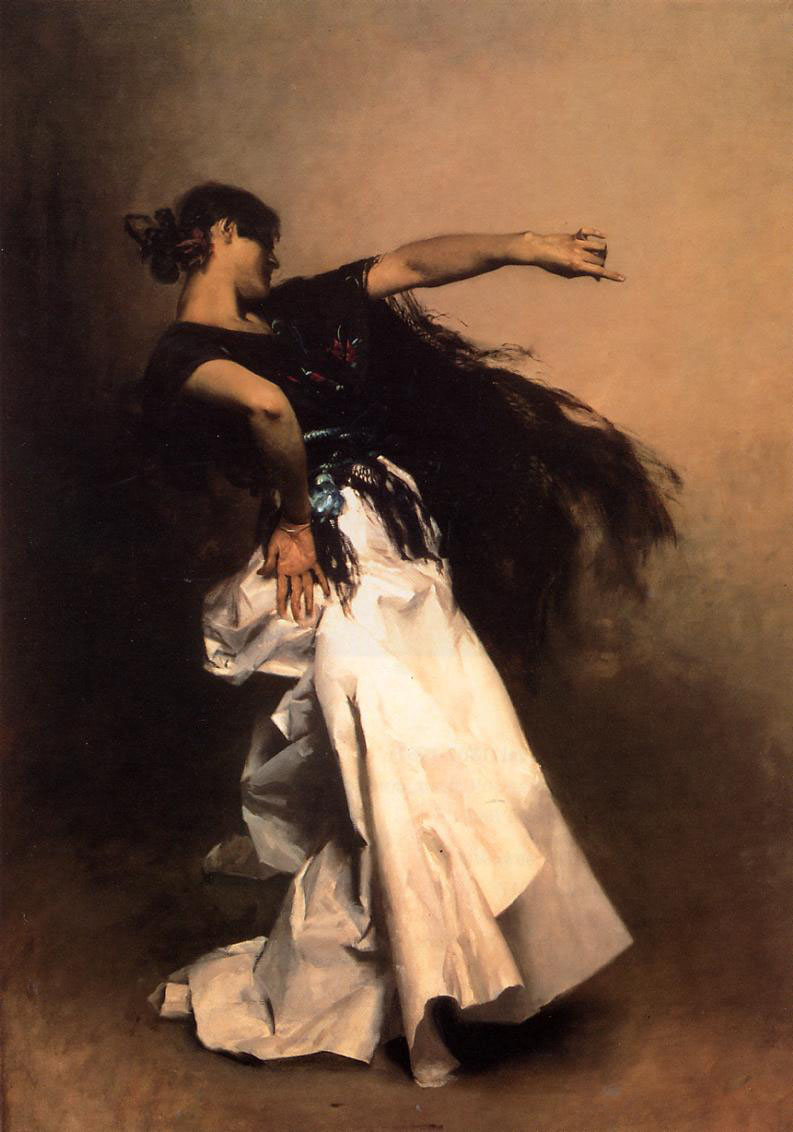 🇪🇸 SpainFlamenco
A dramatic dance and music tradition rooted in Andalusia's gitano and folk culturesFolk dance · Solo · Group
🇪🇸 SpainFlamenco
A dramatic dance and music tradition rooted in Andalusia's gitano and folk culturesFolk dance · Solo · Group
 🇦🇹 Austria and 4 moreWaltz
A turning couple dance in triple time, first popular in 18th-century EuropeBallroom or Latin dance · Couple
🇦🇹 Austria and 4 moreWaltz
A turning couple dance in triple time, first popular in 18th-century EuropeBallroom or Latin dance · Couple
 🇮🇳 India and 1 moreFolk dance
Traditional group dances rooted in local life and passed down through generationsFolk dance · Group · Circle
🇮🇳 India and 1 moreFolk dance
Traditional group dances rooted in local life and passed down through generationsFolk dance · Group · Circle
 🇪🇬 Egypt and 3 moreBelly danceرقص شرقي
A Middle Eastern dance focused on hip and torso articulation.Folk dance · Solo
🇪🇬 Egypt and 3 moreBelly danceرقص شرقي
A Middle Eastern dance focused on hip and torso articulation.Folk dance · Solo