Logobi
A modern Ivorian street dance depicting gang life and social struggle.
Logobi is a dance form from Côte d'Ivoire that emerged in 1986. It builds on the older Zouglou tradition but adds new movements inspired by street gangs and bandits. The dance conveys themes of poverty and the desire for prosperity.
Watch it dancedShare on WhatsApp
- Originated in Côte d'Ivoire in 1986.
- Derived from the older Zouglou dance tradition.
- Moves depict gang life and street survival.
- French versions add tecktonic and electric elements.
- Name means earning money through cunning in Nouchi slang.
What is Logobi?
Logobi is an Ivorian dance style that uses music to express social realities. Dancers perform moves that mimic bandits, hooligans, and street gangs. These actions include fight sequences, weapon handling, secret signals, and sexual gestures. The performance reflects a longing for justice and peace while acknowledging current hardships. It is often called the dance of big arms due to its energetic upper body movements.
Where does Logobi come from?
The genre appeared in Côte d'Ivoire in 1986. It started on university campuses in Abidjan before spreading widely. Logobi evolved from the traditional Zouglou dance, adding modern elements. While Zouglou is older, logobi represents a newer development. The name comes from Nouchi slang, meaning to earn money through cunning or trickery. This etymology aligns with the dance's focus on street survival tactics.
How is Logobi danced?
Dancers execute steps that depict gang behavior and street life. Movements include fighting stances, weapon use, and specific hand signals used by gangs. There are also overtly sexual gestures included in the choreography. The European version, especially in France, incorporates electric and tecktonic styles. This adaptation makes the dance more suitable for children and young adults, softening the original aggressive aspects.
Logobi, drawn
The music of Logobi
The music accompanies the dance moves and defines the genre. Early versions were rooted in local traditions. Later developments, particularly in Europe, added electric instruments and tecktonic rhythms. These changes diluted the hardcore gang themes. The sound supports the narrative of social struggle and the hope for a better future. Artists like Magic System and Yang Systeme popularized these tracks.
Costume and what is carried
The sources do not describe specific clothing or makeup. The focus is on the movements and the narrative conveyed through the body. Props such as weapons are simulated during the performance. The attire likely reflects contemporary street fashion rather than traditional ceremonial dress.
When and where Logobi is danced
The dance began in university settings and spread to social gatherings. It is performed by artists in Côte d'Ivoire and among African immigrant communities in France. The dance serves as a cultural expression of youth identity. It addresses issues of poverty and the aspiration for prosperity. Performances are common in clubs and public spaces where young people gather.
Styles of Logobi
The French development of logobi differs significantly from the Ivorian original. European versions integrate tecktonic and electric elements. This shift reorients the dance toward younger audiences and reduces the emphasis on gang violence. The term logobi is sometimes used interchangeably with zouglou, though they represent different stages of evolution. Several artists have contributed to these stylistic shifts.
What Logobi means
Logobi is a significant part of Ivorian youth culture. It expresses the social realities of poverty and the desire for a positive future. The dance has been adopted by immigrant communities in France, particularly within African diasporas. It serves as a means of cultural preservation and adaptation. The genre highlights the resilience and creativity of young people facing economic challenges.
Questions people ask about Logobi
What is Logobi?
Logobi is a modern Ivorian dance form that emerged in 1986. It combines music with movements that mimic street gangs and bandits. The dance expresses social struggles and hopes for prosperity.
Where did Logobi start?
It first appeared in Côte d'Ivoire, specifically on university campuses in Abidjan. It later spread to neighboring countries and European nations like France.
How does Logobi differ from Zouglou?
Zouglou is the older, traditional dance. Logobi is a modern development that adds new elements. It focuses more on street gang imagery and contemporary social issues.
What do the dance moves represent?
The moves depict bandits, hooligans, and street gangs. They include fight scenes, weapon use, secret signals, and sexual overtures. These actions reflect social realities and aspirations.
Is Logobi danced in France?
Yes, it is popular among African immigrant communities in France. The French version often includes electric and tecktonic musical elements, making it appealing to younger audiences.
Good reading and sources
- Logobi on WikipediaEncyclopedia
- Wikidata recordOpen data
- Videos of Logobi on YouTubeSearch results, not chosen by EveryDance
The facts on this page come from the Wikipedia article "Logobi", written by its contributors and used under the CC BY-SA 4.0 licence, and from its Wikidata record (CC0). EveryDance rewrote the text in its own words, with AI assistance, and compares every page with the article to make sure no passage is copied. It may be reused under the same CC BY-SA 4.0 licence with a link back.
It may contain mistakes, and it describes the dance in outline: it is not a lesson. Traditions differ from one teacher, village or family to the next. If something is wrong, tell us. Last refreshed 2026-10-04.
More from France
All the dances of France 🇦🇹 Austria and 4 moreWaltz
A turning couple dance in triple time, first popular in 18th-century EuropeBallroom or Latin dance · Couple
🇦🇹 Austria and 4 moreWaltz
A turning couple dance in triple time, first popular in 18th-century EuropeBallroom or Latin dance · Couple
 🇧🇪 Belgium and 5 moreProcessional giant
Huge costumed figures carried and danced in European street processionsFolk dance · Solo · Procession
🇧🇪 Belgium and 5 moreProcessional giant
Huge costumed figures carried and danced in European street processionsFolk dance · Solo · Procession
 🇵🇱 Poland and 3 morePolonaisePolonez, chodzony
A stately walking dance in triple time, opening Polish celebrations and ballsFolk dance · Couple · Procession
🇵🇱 Poland and 3 morePolonaisePolonez, chodzony
A stately walking dance in triple time, opening Polish celebrations and ballsFolk dance · Couple · Procession
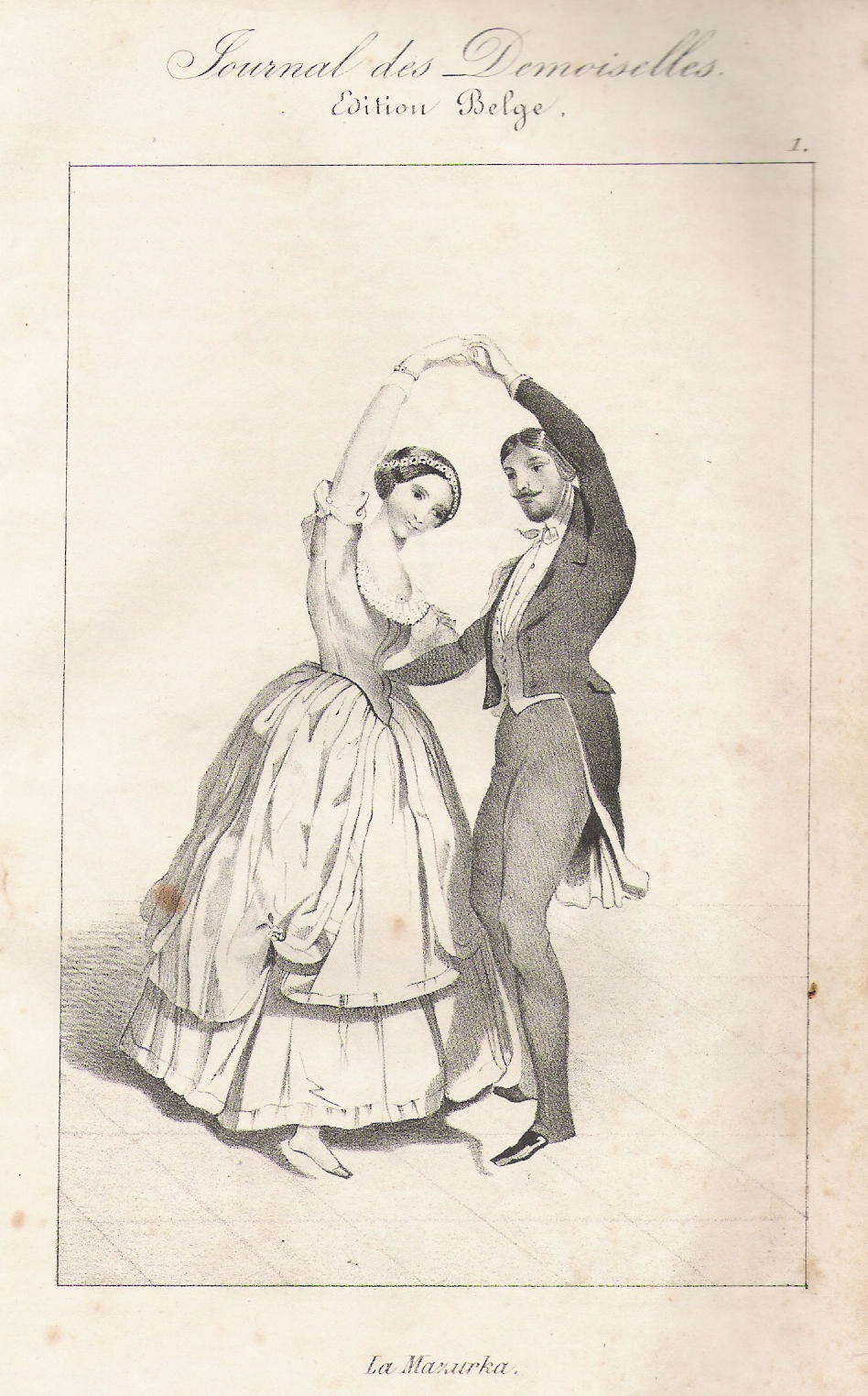 🇵🇱 Poland and 5 moreMazurka
A lively Polish folk dance in triple time, known for its shifting accentsFolk dance · Couple · Group
🇵🇱 Poland and 5 moreMazurka
A lively Polish folk dance in triple time, known for its shifting accentsFolk dance · Couple · Group
Its cousins elsewhere
All folk dances 🇸🇳 Senegal and 2 moreMbalax
Urban dance from Senegal built on Wolof sabar drumming and modern pop soundsFolk dance · Group
🇸🇳 Senegal and 2 moreMbalax
Urban dance from Senegal built on Wolof sabar drumming and modern pop soundsFolk dance · Group
 🇲🇺 Mauritius and 2 moreSegaséga
A hip-focused dance and music tradition from the islands of Mauritius and Réunion.Folk dance · Couple · Group
🇲🇺 Mauritius and 2 moreSegaséga
A hip-focused dance and music tradition from the islands of Mauritius and Réunion.Folk dance · Couple · Group
 🇮🇩 IndonesiaJaiponganᮏᮄᮕᮧᮍᮔ᮪
A Sundanese dance from West Java blending martial arts and folk music.Folk dance · Group
🇮🇩 IndonesiaJaiponganᮏᮄᮕᮧᮍᮔ᮪
A Sundanese dance from West Java blending martial arts and folk music.Folk dance · Group
 🇲🇬 MadagascarSalegy
A fast, energetic Malagasy dance driven by syncopated polyrhythms and guitarSocial dance
🇲🇬 MadagascarSalegy
A fast, energetic Malagasy dance driven by syncopated polyrhythms and guitarSocial dance