Maach
In its own language: माच
A sung folk drama from Madhya Pradesh performed on a raised stage with music and dance.
Maach is a traditional folk theatre and dance form from the Malwa region of Madhya Pradesh, India. It combines singing, dancing, and storytelling on a raised platform called a manch. The performances feature Hindustani ragas and explore religious, historical, and contemporary themes.
Watch it dancedShare on WhatsApp
- Sung folk drama from Malwa, Madhya Pradesh.
- Performed on a raised stage called a manch.
- Features sarangi, harmonium, and dhol accompaniment.
- Traditionally acted by men playing all roles.
- Climax involves dancing with colored powder.
What is Maach?
This tradition blends folk theatre with dance, emerging from the Malwa district of Madhya Pradesh. Performers present a sung drama on a raised wooden platform known as a manch. The production relies heavily on vocal delivery, with dancers also serving as singers. Historically, only men take part, sometimes portraying female characters themselves. The narrative flows through melody and movement rather than spoken dialogue. Audiences appreciate the skill required to balance acting with strong musical projection. The style emphasizes communal participation and shared cultural values.
Where does Maach come from?
Scholars propose two paths for this art form. One theory traces it to the Khyal style of Rajasthan, which may have spawned neighboring genres like Nautanki and Swang. Another view links it to Turra Kalagi groups traveling with Maratha armies during the eighteenth and nineteenth centuries. These troupes settled in Central India and adapted their acts into staged shows. Local figure Gopalji Guru is credited with writing scripts and bringing the style to Madhya Pradesh.
How is Maach danced?
The show opens with a bhishti rag followed by introductory dances. Performers weave together rhyme, tune, and brief dialogue segments. Acting remains secondary to the musical storytelling. Dancers move across the stage, culminating in a scene where they whirl amidst clouds of colored powder. The routine includes comic interludes featuring an advisor figure and a clown who guides the audience.
Maach, drawn
The music of Maach
Vocal performance anchors the experience, utilizing Hindustani classical scales. Composers adjust lyrics and melodies to match the season or specific celebration. The instrumental palette centers on the sarangi, harmonium, and dhol drum. Every cast member contributes vocals, ensuring the score remains continuous throughout the night. Musicians provide a steady rhythm that supports the dancers and singers alike.
Costume and what is carried
Traditional casts consist entirely of men, who dress in women's attire when required. Over time, wardrobes evolved to support new narratives and visual styles. Comic characters wear distinct outfits to signal their roles as humorists or narrators. The finale introduces bright colors through the use of dyed powders thrown during the dance. Costumes help distinguish between serious historical figures and lighthearted clowns.
When and where Maach is danced
Originally tied to the spring festival of Holi, the practice now appears at diverse gatherings. Shows carry a semi-sacred tone, mixing devotion with entertainment. Performances run overnight, beginning after dark and ending at dawn. Scripts cover ancient epics, local legends, and current social concerns like literacy and land rights.
Styles of Maach
Early iterations likely accompanied military campaigns before becoming stationary stage events. Writers expanded the repertoire to include tales from the Mahabashara and Ramayana alongside regional folklore. Modern scripts occasionally address real-world problems, shifting focus from pure mythology to community issues.
What Maach means
The genre preserves local history and cultural memory through its stories. It honors figures like Raja Gopichand and warrior saints such as Tejaji. By adapting to changing times, it maintains relevance while keeping older traditions alive. The form stands as a significant expression of Malwi identity and artistic heritage.
Days Maach is danced for
Questions people ask about Maach
What does the name Maach mean?
It comes from the Malvi word for a stage or platform where the performance takes place.
Where did this dance form originate?
It developed in the Malwa region of Madhya Pradesh, India, possibly evolving from Rajasthan's Khyal theatre or Maratha troupes.
Who performs in a Maach show?
Men perform all parts, including female characters, using their voices to drive the narrative through song and dance.
When are these performances held?
They traditionally start after sunset and continue until dawn, originally linked to Holi but now used for many occasions.
What instruments accompany the music?
The sarangi, harmonium, and dhol drum provide the sound, supporting the Hindustani ragas used in the songs.
Good reading and sources
- Maach on WikipediaEncyclopedia
- Wikidata recordOpen data
- Videos of Maach on YouTubeSearch results, not chosen by Ghungroo
The facts on this page come from the Wikipedia article "Maach", written by its contributors and used under the CC BY-SA 4.0 licence, and from its Wikidata record (CC0). Ghungroo rewrote the text in its own words, with AI assistance, and compares every page with the article to make sure no passage is copied. It may be reused under the same CC BY-SA 4.0 licence with a link back.
It may contain mistakes, and it describes the dance in outline: it is not a lesson. Traditions differ from one teacher, village or family to the next. If something is wrong, tell us. Last refreshed 2026-10-04.
More from India
All the dances of India 🇮🇳 India and 1 moreFolk dance
Traditional group dances rooted in local life and passed down through generationsFolk dance · Group · Circle
🇮🇳 India and 1 moreFolk dance
Traditional group dances rooted in local life and passed down through generationsFolk dance · Group · Circle
 🇮🇳 IndiaBharatanatyamபரதநாட்டியம்
A South Indian classical dance from Tamil Nadu, performed solo in temples and on stages.Classical dance · Solo
🇮🇳 IndiaPaika akhada
A martial dance with swords and shields from Odisha, rooted in warrior trainingWar or martial dance · Group · Line or chain
🇮🇳 IndiaBharatanatyamபரதநாட்டியம்
A South Indian classical dance from Tamil Nadu, performed solo in temples and on stages.Classical dance · Solo
🇮🇳 IndiaPaika akhada
A martial dance with swords and shields from Odisha, rooted in warrior trainingWar or martial dance · Group · Line or chain
 🇮🇳 IndiaDhunuchi nritya
A dance with incense burners during Durga Puja in BengalFolk dance · Solo · Group
🇮🇳 IndiaDhunuchi nritya
A dance with incense burners during Durga Puja in BengalFolk dance · Solo · Group
Its cousins elsewhere
All folk dances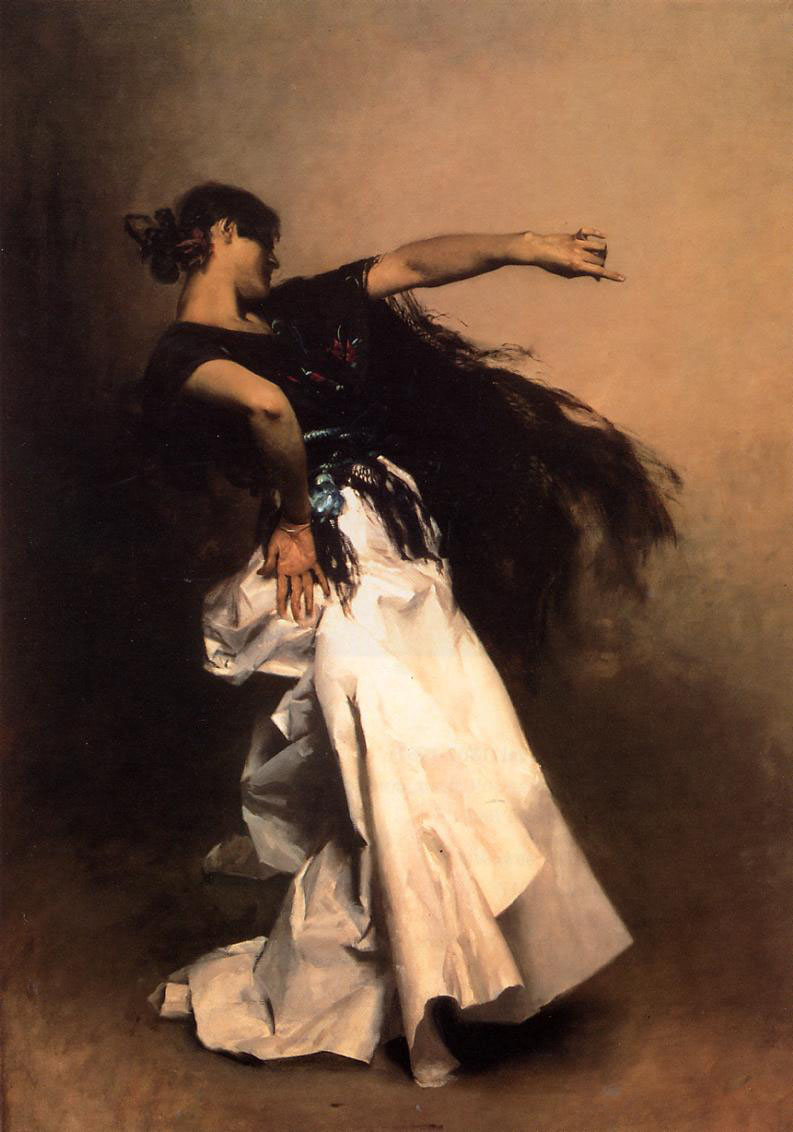 🇪🇸 SpainFlamenco
A dramatic dance and music tradition rooted in Andalusia's gitano and folk culturesFolk dance · Solo · Group
🇪🇸 SpainFlamenco
A dramatic dance and music tradition rooted in Andalusia's gitano and folk culturesFolk dance · Solo · Group
 🇦🇷 Argentina and 1 moreTango
A partner dance from the Río de la Plata, danced in close or open embraceSocial dance · Couple
🇦🇷 Argentina and 1 moreTango
A partner dance from the Río de la Plata, danced in close or open embraceSocial dance · Couple
 🇦🇹 Austria and 4 moreWaltz
A turning couple dance in triple time, first popular in 18th-century EuropeBallroom or Latin dance · Couple
🇦🇹 Austria and 4 moreWaltz
A turning couple dance in triple time, first popular in 18th-century EuropeBallroom or Latin dance · Couple
 🇧🇷 BrazilCapoeira
A Brazilian martial art that blends dance, acrobatics, and music in a circle gameWar or martial dance · Circle · Solo
🇧🇷 BrazilCapoeira
A Brazilian martial art that blends dance, acrobatics, and music in a circle gameWar or martial dance · Circle · Solo