
Menora
In its own language: มโนราห์
A traditional Thai dance-drama from the south, featuring acrobatics and ornate costumes.
Menora is a theatrical dance form from southern Thailand that combines music, acting, and acrobatics. It tells stories from Jataka tales and is performed at temple fairs and community events.
Watch it dancedShare on WhatsApp
- Recognized by UNESCO in 2021 as Intangible Cultural Heritage.
- Originates from southern Thailand's Srivijaya era traditions.
- Features acrobatics, singing, and ornate beaded costumes.
- Includes a sacred three-day ritual called Nora Rong Khru.
- Stories are based on the Jataka tales of Manohara.
What is Menora?
Menora is a traditional performance art from southern Thailand. It blends dance, singing, and acrobatics into a theatrical story. The plot usually comes from the Jataka tales of Manohara. Performers wear bright, heavy costumes and use masks for comic characters. The style is related to Lakhon chatri from central Thailand. It serves as both entertainment and a spiritual practice for local communities.
Where does Menora come from?
The dance likely began during the Srivijaya era between the sixth and eleventh centuries. It spread across the Malay Peninsula through maritime trade routes. A legend says it started with Prince Ajit Kumar on Kachang island. He learned to dance by watching his reflection in the water. His grandfather, King Saifa Fat, later honored him and taught the dance to the royal court. This story explains why the tradition values lineage and skill so highly.
How is Menora danced?
Dancers move to the rhythm of drums and gongs. They perform agile steps and flexible poses. The choreography matches the lyrics and musical beats closely. Actors also sing poetry with clear emotion and timing. Some performers specialize in specific techniques like arm movements or acrobatics. The group interacts through call-and-response singing and synchronized dancing. Comic skits may appear briefly to add humor.
Menora, drawn
The music of Menora
The sound relies on percussion instruments. Drums, gongs, cymbals, and wooden clappers create the beat. Singers deliver poetic lines that tell the story. The music guides the dancers' tempo and mood. Ceremonial overtures mark the start of rituals. The rhythm supports both graceful and energetic movements throughout the performance.
Costume and what is carried
Performers wear elaborate outfits made of beads and metal. The main dancer wears a low crown called a serd. Beaded panels cover the chest and shoulders. Wing-like accessories extend from the hips. Brass bracelets and long fingernail extensions add sound and flair. Masks represent comic characters like Phran. The attire enhances the visual impact of the acrobatic moves.


When and where Menora is danced
The dance is shown at temple fairs and cultural festivals. It is also part of sacred rituals honoring ancestral teachers. The Nora Rong Khru ceremony lasts three days and two nights. Masters teach students in homes and community groups. In Malaysia, the practice has declined due to religious bans. In Thailand, it remains a living tradition passed down through generations.
Styles of Menora
The style evolved from ancient courts to popular folk entertainment. It shares roots with Lakhon chatri from central Thailand. Regional differences exist across the twelve zodiac cities. Modern troupes adapt the format for stage performances. The ritual aspects remain strict, while the theatrical elements allow for creative expression.
What Menora means
UNESCO recognized Menora as Intangible Cultural Heritage in 2021. It holds deep spiritual meaning for Southern Thais. The dance connects people to their history and mythology. Despite bans in neighboring Malaysia, it thrives in Thailand. The tradition preserves ancient stories and musical forms for new audiences.
Questions people ask about Menora
What is Menora?
Menora is a traditional Thai dance-drama from the south. It combines singing, acrobatics, and theatrical storytelling. The performance features colorful costumes and masks.
Where does it come from?
It originated in southern Thailand during the Srivijaya period. The dance spread through the Malay Peninsula via trade routes. Legends link its start to Prince Ajit Kumar on Kachang island.
When is it performed?
It is danced at temple fairs, community events, and festivals. It is also central to the sacred Nora Rong Khru ritual honoring teachers.
What instruments are used?
The music uses drums, gongs, cymbals, and wooden clappers. Singers provide vocal narration that matches the rhythmic beats.
Why is it important?
It preserves ancient Jataka stories and local history. UNESCO listed it in 2021 for its cultural value. It remains a key part of Southern Thai identity.
Good reading and sources
- Menora (dance) on WikipediaEncyclopedia
- More photos and video on Wikimedia CommonsPhotos and video
- Wikidata recordOpen data
- Videos of Menora on YouTubeSearch results, not chosen by Ghungroo
The facts on this page come from the Wikipedia article "Menora (dance)", written by its contributors and used under the CC BY-SA 4.0 licence, and from its Wikidata record (CC0). Ghungroo rewrote the text in its own words, with AI assistance, and compares every page with the article to make sure no passage is copied. It may be reused under the same CC BY-SA 4.0 licence with a link back.
It may contain mistakes, and it describes the dance in outline: it is not a lesson. Traditions differ from one teacher, village or family to the next. If something is wrong, tell us. Last refreshed 2026-10-03.
More from Thailand
All the dances of Thailand 🇹🇭 ThailandThai danceนาฏศิลป์
Classical and folk dances shaped by many cultures across Thailand’s regionsClassical dance · Solo · Group
🇹🇭 ThailandThai danceนาฏศิลป์
Classical and folk dances shaped by many cultures across Thailand’s regionsClassical dance · Solo · Group
 🇹🇭 ThailandKhonโขน
A masked dance drama from Thailand, performed to the Ramakien epic.Dance-drama · Group
🇹🇭 ThailandKhonโขน
A masked dance drama from Thailand, performed to the Ramakien epic.Dance-drama · Group
 🇱🇦 Laos and 5 moreRomvong
A slow circle dance for men and women at festivals and gatherings in Southeast AsiaFolk dance · Circle · Group
🇲🇾 Malaysia and 1 moreMak yongTarian Mak Yong
A traditional Kelantanese dance-drama with ritual roots and a royal lead.Folk dance · Group
🇱🇦 Laos and 5 moreRomvong
A slow circle dance for men and women at festivals and gatherings in Southeast AsiaFolk dance · Circle · Group
🇲🇾 Malaysia and 1 moreMak yongTarian Mak Yong
A traditional Kelantanese dance-drama with ritual roots and a royal lead.Folk dance · Group
Its cousins elsewhere
All dance-dramas 🇮🇹 Italy and 2 moreBallet
A highly technical stage dance with its own steps and styles, shaped in France and RussiaClassical dance · Solo · Group
🇮🇹 Italy and 2 moreBallet
A highly technical stage dance with its own steps and styles, shaped in France and RussiaClassical dance · Solo · Group
 🇧🇴 Bolivia and 2 moreDiablada
A masked devil dance from the Andes, led by Saint Michael at CarnivalFolk dance · Procession · Group
🇧🇴 Bolivia and 2 moreDiablada
A masked devil dance from the Andes, led by Saint Michael at CarnivalFolk dance · Procession · Group
 🇪🇸 SpainSoleá
A solemn flamenco song and dance in 12-beat rhythm from AndalusiaFolk dance · Solo · Group
🇪🇸 SpainSoleá
A solemn flamenco song and dance in 12-beat rhythm from AndalusiaFolk dance · Solo · Group
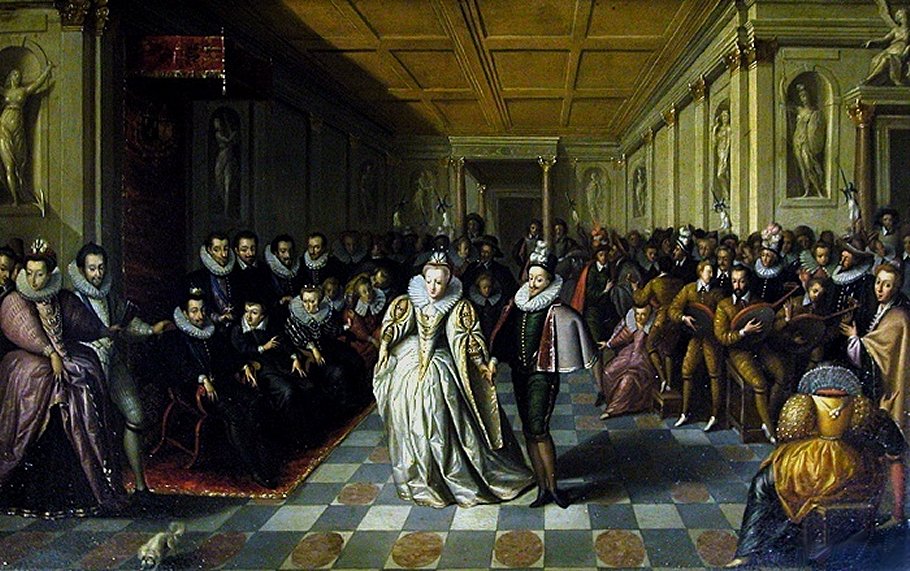 🇫🇷 FranceBallet de cour
A 16th and 17th century French court dance form blending spectacle, politics, and geometry.Court dance · Group
🇫🇷 FranceBallet de cour
A 16th and 17th century French court dance form blending spectacle, politics, and geometry.Court dance · Group