
Soleá
A solemn flamenco song and dance in 12-beat rhythm from Andalusia
Soleá is a major form of flamenco from Andalusia, Spain, often called the 'mother of palos.' It is danced and sung with a single guitar in a distinctive 12-beat rhythm, marked by expressive, serious lyrics and intricate handclapping. Traditionally linked to the Calé Romani people, it is performed by skilled artists in both song and dance.
Watch it dancedShare on WhatsApp
- Soleá uses a 12-beat rhythmic cycle unique to flamenco.
- Its lyrics are serious and often express pain or introspection.
- It likely began among the Calé Romani people in Andalusia.
- The dance and song are performed with guitar and handclapping.
- Many regional styles are named after Andalusian towns or singers.
What is Soleá?
Soleá is a core style of flamenco, recognized for its serious mood and expressive artistry. It is sung and danced, usually with a single guitar and handclapping (palmas), and is known for its 12-beat rhythm. The dance and song are marked by emotional restraint and depth, with lyrics that often reflect pain or introspection. Performances can be solo or with a group, and both men and women take part, depending on tradition and context.
Where does Soleá come from?
The origins of soleá are uncertain but it likely developed among the Calé Romani people in Cádiz and Seville, Andalusia. Its earliest documented mention dates to 1862, though it may have existed earlier. Some believe it evolved from lively 'jaleo' songs, while others see it as a foundational flamenco form. Its golden age was in the late 19th century, especially in the café cantante venues. Soleá experienced periods of decline and revival, notably regaining prestige in the mid-20th century.
How is Soleá danced?
In dance, soleá is characterized by a poised, upright posture and controlled, expressive movements. Dancers use intricate footwork, subtle turns, and expressive arms and hands to convey the song's emotion. The choreography often builds from restrained beginnings to more intense, ornamented passages, matching the music's progression. The dancer interacts closely with the singer and guitarist, responding to changes in tempo and mood.
Soleá, drawn
The music of Soleá
Soleá is performed in a 12-beat cycle, combining triple and duple meters. The guitar plays in the altered Phrygian mode, often using a capo to match the singer's range. Handclapping (palmas) provides rhythmic support, sometimes silent during certain beats to highlight the singing. The melody is narrow in range but rich in ornamentation, with melisma and microtones. The lyrics are sung in three- or four-line stanzas, often rearranged or repeated for expressive effect.
Costume and what is carried
The sources do not specify a particular costume for soleá. As with many flamenco forms, dancers may wear traditional flamenco attire, but details are not given here.
When and where Soleá is danced
Soleá is performed on stage by skilled flamenco artists, often in concert settings or flamenco venues. It is valued for its depth and difficulty, appealing to knowledgeable audiences. While it originated in community and café settings, today it is mainly seen in professional performances. The tradition is passed on through oral transmission and apprenticeship with established artists.
Styles of Soleá
Soleá has many regional and stylistic variations, often named after towns or influential singers, such as those from Alcalá, Triana, Cádiz, Jerez, Lebrija, and Utrera. Each locality or artist brings subtle differences in melody, rhythm, and delivery. Some styles are more restrained, while others are more ornamented or vivid. These variations are maintained and adapted through oral tradition.
What Soleá means
Soleá holds a central place in flamenco, regarded as a touchstone for artistic skill and emotional depth. It is sometimes called the 'mother of palos,' though it is not the oldest style. Its serious tone and complexity make it a respected form among artists and aficionados. Over time, its popularity has risen and fallen, but it remains a key part of flamenco's identity and heritage.
Questions people ask about Soleá
Where does soleá come from?
Soleá likely originated among the Calé Romani people in Cádiz or Seville, in Andalusia, Spain. It has deep roots in the flamenco tradition of southern Spain.
When is soleá performed?
Soleá is mainly performed in concert settings, flamenco venues, or on stage by skilled artists. Historically, it was also sung and danced in cafés and community gatherings.
What is the rhythm or metre of soleá?
Soleá is built on a 12-beat rhythmic cycle, combining triple and duple meters, and is a foundation for other flamenco forms.
Who dances or sings soleá?
Both men and women perform soleá, either solo or in groups, depending on the tradition and context. It is especially valued by experienced flamenco artists.
What makes soleá different from other flamenco styles?
Soleá is known for its serious tone, expressive lyrics, and demanding rhythm. Its 12-beat structure and emotional depth set it apart from more festive flamenco forms.
Good reading and sources
- Soleá on WikipediaEncyclopedia
- More photos and video on Wikimedia CommonsPhotos and video
- Wikidata recordOpen data
- Videos of Soleá on YouTubeSearch results, not chosen by Ghungroo
The facts on this page come from the Wikipedia article "Soleá", written by its contributors and used under the CC BY-SA 4.0 licence, and from its Wikidata record (CC0). Ghungroo rewrote the text in its own words, with AI assistance, and compares every page with the article to make sure no passage is copied. It may be reused under the same CC BY-SA 4.0 licence with a link back.
It may contain mistakes, and it describes the dance in outline: it is not a lesson. Traditions differ from one teacher, village or family to the next. If something is wrong, tell us. Last refreshed 2026-10-03.
More from Spain
All the dances of Spain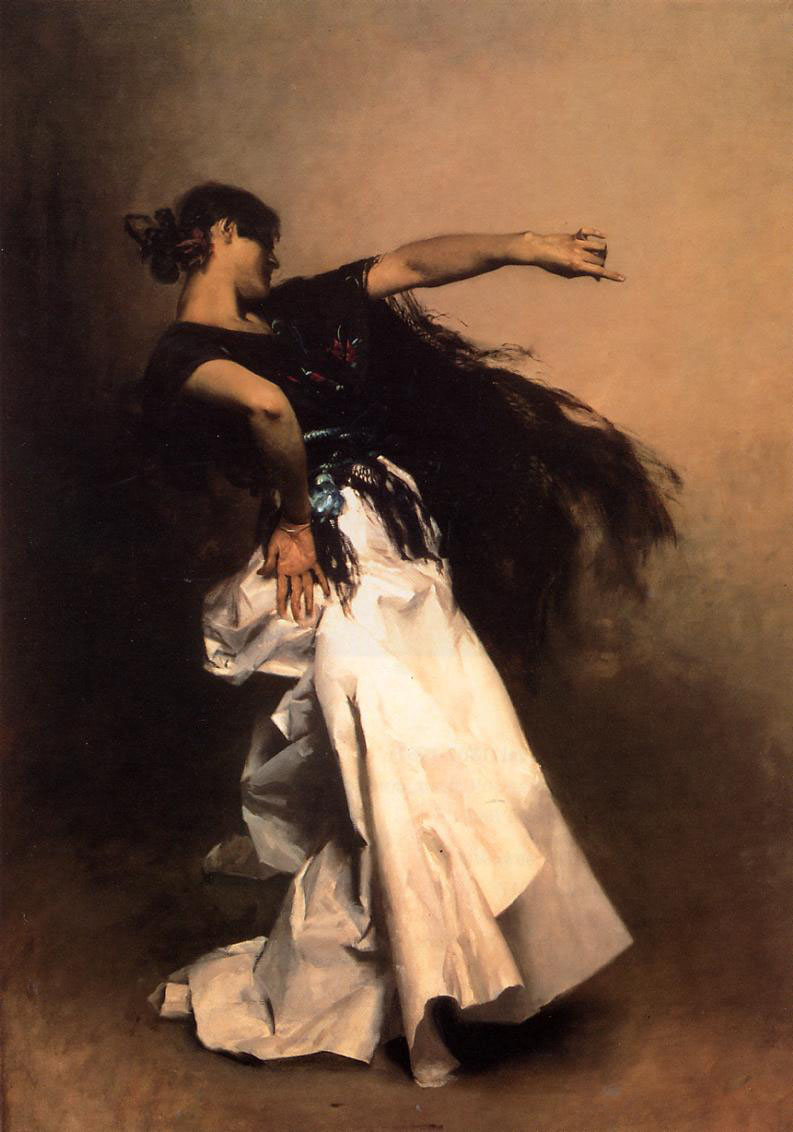 🇪🇸 SpainFlamenco
A dramatic dance and music tradition rooted in Andalusia's gitano and folk culturesFolk dance · Solo · Group
🇪🇸 SpainFlamenco
A dramatic dance and music tradition rooted in Andalusia's gitano and folk culturesFolk dance · Solo · Group
 🇧🇪 Belgium and 5 moreProcessional giant
Huge costumed figures carried and danced in European street processionsFolk dance · Solo · Procession
🇧🇪 Belgium and 5 moreProcessional giant
Huge costumed figures carried and danced in European street processionsFolk dance · Solo · Procession
 🇪🇸 Spain and 5 morePasodoble
A dramatic Spanish partner dance set to march-like music, echoing the bullfightFolk dance · Couple · Group
🇪🇸 Spain and 5 morePasodoble
A dramatic Spanish partner dance set to march-like music, echoing the bullfightFolk dance · Couple · Group
 🇪🇸 Spain and 4 moreFandango
A lively Spanish partner dance in triple meter, accompanied by guitars and castanets.Folk dance · Couple · Group
🇪🇸 Spain and 4 moreFandango
A lively Spanish partner dance in triple meter, accompanied by guitars and castanets.Folk dance · Couple · Group
Its cousins elsewhere
All folk dances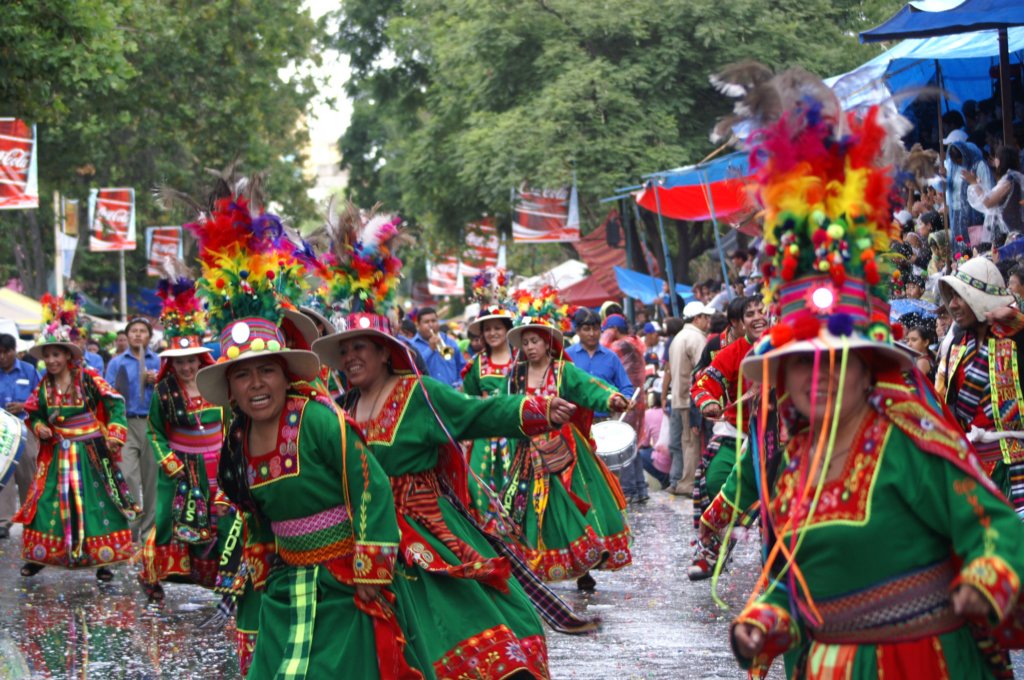 🇧🇴 BoliviaTinku
A Bolivian dance that echoes ritual combat, with bold costumes and warlike rhythmsFolk dance · Circle · Group
🇧🇴 BoliviaTinku
A Bolivian dance that echoes ritual combat, with bold costumes and warlike rhythmsFolk dance · Circle · Group
 🇻🇪 VenezuelaDancing devils of Corpus ChristiDiablos danzantes de Corpus Christi
Masked dancers in red parade and perform on Corpus Christi in Venezuelan townsRitual dance · Procession · Group
🇻🇪 VenezuelaDancing devils of Corpus ChristiDiablos danzantes de Corpus Christi
Masked dancers in red parade and perform on Corpus Christi in Venezuelan townsRitual dance · Procession · Group
 🇯🇵 JapanAwa Dance Festival阿波踊り
A street dance festival held during Obon in Tokushima, JapanFolk dance · Group · Procession
🇯🇵 JapanAwa Dance Festival阿波踊り
A street dance festival held during Obon in Tokushima, JapanFolk dance · Group · Procession
 🇪🇨 EcuadorSanjuanito
A circle dance and music from Ecuador’s Andean highlands, often for Inti RaymiFolk dance · Circle · Group
🇪🇨 EcuadorSanjuanito
A circle dance and music from Ecuador’s Andean highlands, often for Inti RaymiFolk dance · Circle · Group