Mezmar
In its own language: مزمار
A group stick dance with drumming and singing from western Saudi Arabia
Mezmar is a group stick dance from the Hejaz region of Saudi Arabia, performed by 15 to 100 people at weddings and national celebrations. Dancers twirl long bamboo canes, beat drums, and clap while singing about themes like heroism and love. Once linked to battle, it is now a festive tradition and was recognized by UNESCO in 2016.
Watch it dancedShare on WhatsApp
- Performed by 15 to 100 people with sticks and drums
- Songs cover heroism, praise, love, and generosity
- No wind instruments are used despite the name
- Closely related to Egypt and Sudan's tahtib dance
- Listed by UNESCO as intangible cultural heritage in 2016
What is Mezmar?
Mezmar is a group dance from the Hejaz region in western Saudi Arabia. It brings together 15 to 100 people who form lines or groups, each holding a long bamboo cane or stick. The dancers twirl their sticks, beat drums, and clap while singing songs. The topics of the songs range from heroism and chivalry to love and generosity. Mezmar is performed at festive gatherings, especially weddings and public celebrations. There is no wind instrument used, despite the name.
Where does Mezmar come from?
Mezmar has roots in the Hejaz region of Saudi Arabia. Historically, it was connected to battle or competition, but over time it became a dance for festive occasions. The name 'mizmar' is also used for wind instruments in the region, but the dance itself does not use them. Mezmar is closely related to the tahtib dance of Egypt and Sudan. In 2016, UNESCO recognized Almezmar as an important part of the region's cultural identity.
How is Mezmar danced?
During Mezmar, dancers hold long bamboo canes or sticks and twirl them in coordinated movements. The group may move together in lines or loose formations, clapping and singing as they go. The dance is energetic, with rhythmic stick twirling and synchronized drumming. The size of the group can vary greatly, but the focus is on unity and shared rhythm rather than individual display.
Mezmar, drawn
The music of Mezmar
Mezmar is accompanied by drumming and clapping. The songs sung during the dance cover a wide range of subjects, including heroism, praise, and love. Although the word 'mizmar' refers to wind instruments in the region, none are used in this dance. The music is lively and supports the communal spirit of the performance.
Costume and what is carried
There is no specific costume described for Mezmar in the sources. The main props are the long bamboo canes or sticks, which each dancer holds and twirls. Drums are used for accompaniment, and clapping is an important part of the sound.
When and where Mezmar is danced
Mezmar is performed at weddings, national events, and other festive gatherings in the Hejaz region. It is a communal dance, open to anyone who wishes to join. The tradition is passed on through participation at these events, keeping the practice alive in the community.
Styles of Mezmar
Mezmar is closely related to the tahtib dance of Egypt and Sudan, which also uses sticks and group formations. The core elements of Mezmar—stick twirling, drumming, and singing—remain consistent, though the size of the group and the style of songs may vary between occasions.
What Mezmar means
Mezmar is a symbol of community identity in the Hejaz. Its performance at important celebrations reinforces social bonds and shared values. In 2016, UNESCO listed Almezmar as part of the Intangible Cultural Heritage of Humanity, recognizing its cultural significance and the role it plays in expressing local traditions.
Questions people ask about Mezmar
Where does Mezmar come from?
Mezmar comes from the Hejaz region in western Saudi Arabia, where it is a traditional group dance performed at festive occasions.
When is Mezmar performed?
Mezmar is performed during weddings, national events, and other festive gatherings in the Hejaz region.
Who can take part in Mezmar?
Anyone in the community can join Mezmar, with groups ranging from 15 to 100 participants.
What props or instruments are used in Mezmar?
Dancers use long bamboo canes or sticks, and the dance is accompanied by drumming and clapping. No wind instruments are used.
What is the meaning of Mezmar in the community?
Mezmar is seen as a cultural expression of community identity and was recognized by UNESCO in 2016 for its significance.
Good reading and sources
- Mezmar on WikipediaEncyclopedia
- Wikidata recordOpen data
- Videos of Mezmar on YouTubeSearch results, not chosen by Ghungroo
The facts on this page come from the Wikipedia article "Mezmar", written by its contributors and used under the CC BY-SA 4.0 licence, and from its Wikidata record (CC0). Ghungroo rewrote the text in its own words, with AI assistance, and compares every page with the article to make sure no passage is copied. It may be reused under the same CC BY-SA 4.0 licence with a link back.
It may contain mistakes, and it describes the dance in outline: it is not a lesson. Traditions differ from one teacher, village or family to the next. If something is wrong, tell us. Last refreshed 2026-10-03.

Its cousins elsewhere
All folk dances 🇨🇴 Colombia and 3 moreMapalé
A fast, energetic Afro-Colombian dance echoing the movements of fish and the seaFolk dance · Couple · Group
🇨🇴 Colombia and 3 moreMapalé
A fast, energetic Afro-Colombian dance echoing the movements of fish and the seaFolk dance · Couple · Group
 🇿🇼 ZimbabweMbende Jerusarema
A polyrhythmic group dance of the Zezuru, marked by acrobatic hip and waist movementsFolk dance · Group · Line or chain
🇿🇼 ZimbabweMbende Jerusarema
A polyrhythmic group dance of the Zezuru, marked by acrobatic hip and waist movementsFolk dance · Group · Line or chain
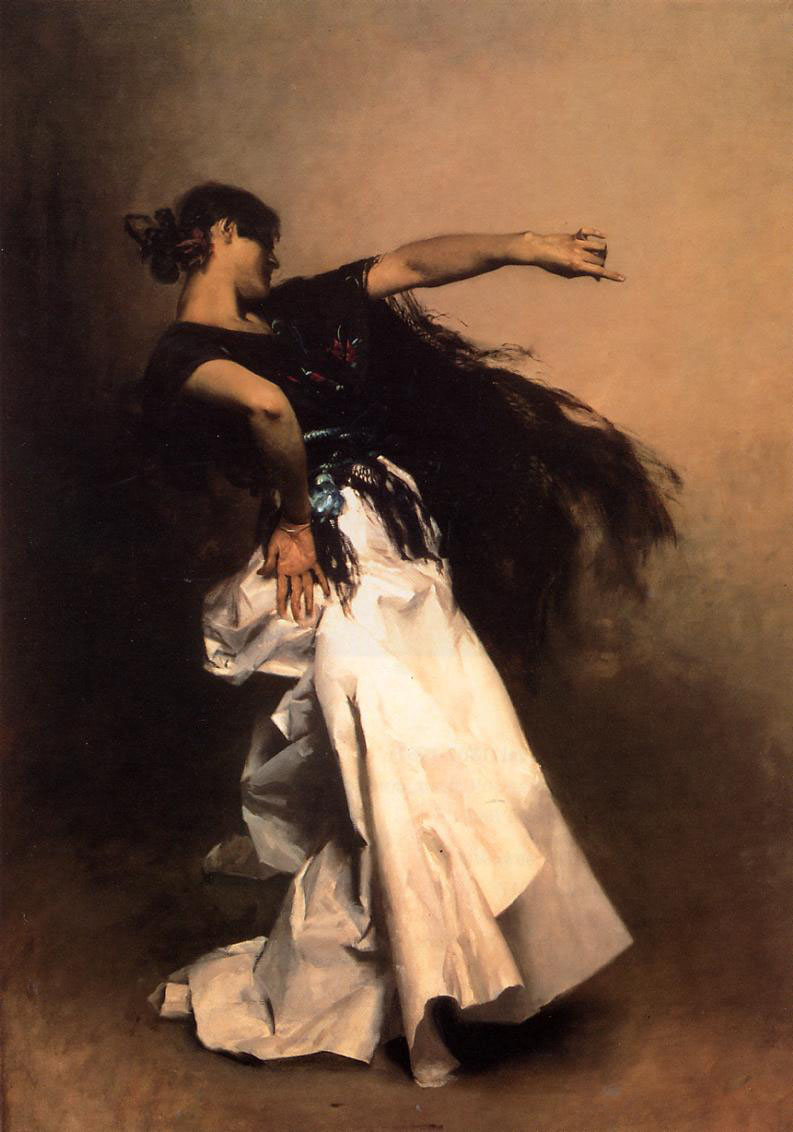 🇪🇸 SpainFlamenco
A dramatic dance and music tradition rooted in Andalusia's gitano and folk culturesFolk dance · Solo · Group
🇪🇸 SpainFlamenco
A dramatic dance and music tradition rooted in Andalusia's gitano and folk culturesFolk dance · Solo · Group
 🇳🇿 New ZealandHaka
A ceremonial group dance from New Zealand featuring vigorous movement and chanted words.Folk dance · Group
🇳🇿 New ZealandHaka
A ceremonial group dance from New Zealand featuring vigorous movement and chanted words.Folk dance · Group