
Haka
A ceremonial group dance from New Zealand featuring vigorous movement and chanted words.
Haka are traditional performance dances of the Māori people in New Zealand. Groups perform them with strong body movements and rhythmic shouting to welcome guests, mark funerals, or challenge opponents in sports.
Watch it dancedShare on WhatsApp
- Performed by groups using body percussion and chanting.
- Originates from Māori creation myths involving natural phenomena.
- Used by sports teams to challenge opponents before games.
- Includes war dances and ceremonial forms without weapons.
- Global fame boosted by the New Zealand All Blacks rugby team.
What is Haka?
Haka is a collective performance art practiced by Māori communities in New Zealand. Dancers move their bodies vigorously while chanting or shouting in unison. The performance relies on physical actions like foot stomping and hand slapping to emphasize the spoken words. It serves as a powerful expression of identity and emotion for the group performing it.
Where does Haka come from?
Māori tradition traces the dance to creation stories involving sun gods and seasonal maidens. The atmospheric shimmering of hot air was personified as the first haka. The word itself shares roots across Polynesian languages, originally describing a bow-legged stance or short-legged movement. European observers in the eighteenth century noted its fierce nature, though missionaries later attempted to suppress it in favor of hymns.
How is Haka danced?
Performers use their entire bodies to deliver the message. Key actions include stamping feet, slapping thighs and chests, and making intense facial expressions. Men may stick out their tongues, while all dancers might widen their eyes to show the whites. The choreography can be synchronized or improvised, with leaders guiding the rhythm through vocal cues.
Haka, drawn
The music of Haka
There are no musical instruments. The sound comes entirely from the human voice and body. Performers chant or shout lyrics in a rhythmic pattern. The vocal delivery is often loud and forceful. Body percussion, such as clapping hands against legs or chests, provides the beat alongside the spoken words.
Costume and what is carried
Traditional attire varies by region and occasion. Some performers wear woven garments or feathered accessories. In modern contexts, sports teams often wear their official uniforms. There is no single standardized costume, allowing flexibility based on the specific purpose of the performance.


When and where Haka is danced
The dance marks significant life events and social gatherings. It welcomes distinguished visitors, mourns the dead, or celebrates achievements. Sports teams use it before matches to intimidate rivals. Schools and military groups practice it to build unity. It is also performed at cultural festivals and competitions.
Styles of Haka
Different types exist for specific purposes. Peruperu is a war dance that may involve weapons. Haka taparahi is performed without weapons and is more common today. Women and children now participate in many forms, though historically some actions were male-only. Regional styles differ in movement intensity and vocal style.
What Haka means
The All Blacks rugby team popularized the dance globally through pre-match performances. This has led to debates about cultural appropriation and respect. Legal settlements have recognized tribal ownership of specific chants like Ka Mate. The dance remains a vital symbol of Māori identity and resilience in New Zealand society.
Questions people ask about Haka
What is the origin of haka?
Māori tradition links it to creation stories where atmospheric heat was personified as dance. The term shares roots with other Polynesian words for bow-legged movement or dancing.
Who performs haka?
It is performed by Māori groups in New Zealand. Both men and women participate, though some historical forms were male-only. Sports teams and schools also perform it today.
When is haka danced?
It marks funerals, welcomes guests, celebrates achievements, or challenges opponents in sports. It is central to Māori social and ceremonial life.
Is haka a war dance?
Some forms like peruperu were used in warfare. However, most modern haka are ceremonial or social. Scholars note that labeling all haka as war dances is inaccurate.
Good reading and sources
- Encyclopaedia BritannicaArticle
- New Zealand haka war dance bewilders USA basketball teamThe Guardian, Article
- Haka on WikipediaEncyclopedia
- More photos and video on Wikimedia CommonsPhotos and video
- Wikidata recordOpen data
- Videos of Haka on YouTubeSearch results, not chosen by Ghungroo
The facts on this page come from the Wikipedia article "Haka", written by its contributors and used under the CC BY-SA 4.0 licence, and from its Wikidata record (CC0). Ghungroo rewrote the text in its own words, with AI assistance, and compares every page with the article to make sure no passage is copied. It may be reused under the same CC BY-SA 4.0 licence with a link back.
It may contain mistakes, and it describes the dance in outline: it is not a lesson. Traditions differ from one teacher, village or family to the next. If something is wrong, tell us. Last refreshed 2026-10-03.
More from New Zealand
All the dances of New Zealand 🇬🇧 United Kingdom and 5 moreMorris dance
A group folk dance from England, with bells, sticks or handkerchiefsFolk dance · Group · Procession
🇬🇧 United Kingdom and 5 moreMorris dance
A group folk dance from England, with bells, sticks or handkerchiefsFolk dance · Group · Procession
 🇬🇧 United Kingdom and 5 moreCéilidh
A social dance gathering with live music from Scotland and IrelandFolk dance · Couple · Set or square
🇬🇧 United Kingdom and 5 moreCéilidh
A social dance gathering with live music from Scotland and IrelandFolk dance · Couple · Set or square
 🇬🇧 United Kingdom and 5 moreScottish highland dancedannsa Gàidhealach
A solo step dance with raised arms, performed at Highland games and competitionsFolk dance · Solo · Group
🇬🇧 United Kingdom and 5 moreScottish highland dancedannsa Gàidhealach
A solo step dance with raised arms, performed at Highland games and competitionsFolk dance · Solo · Group
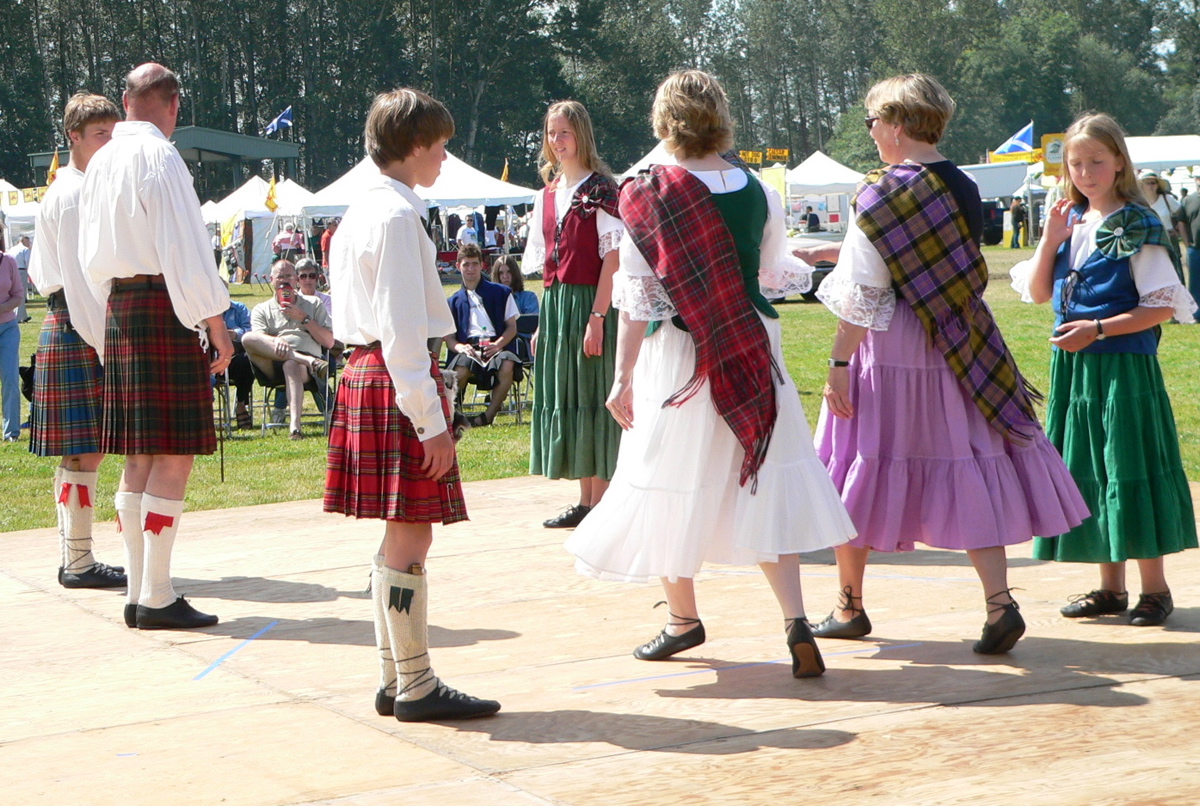 🇬🇧 United Kingdom and 5 moreScottish country dance
A social dance for sets of couples, using Scottish steps and figuresFolk dance · Set or square · Line or chain
🇬🇧 United Kingdom and 5 moreScottish country dance
A social dance for sets of couples, using Scottish steps and figuresFolk dance · Set or square · Line or chain
Its cousins elsewhere
All folk dances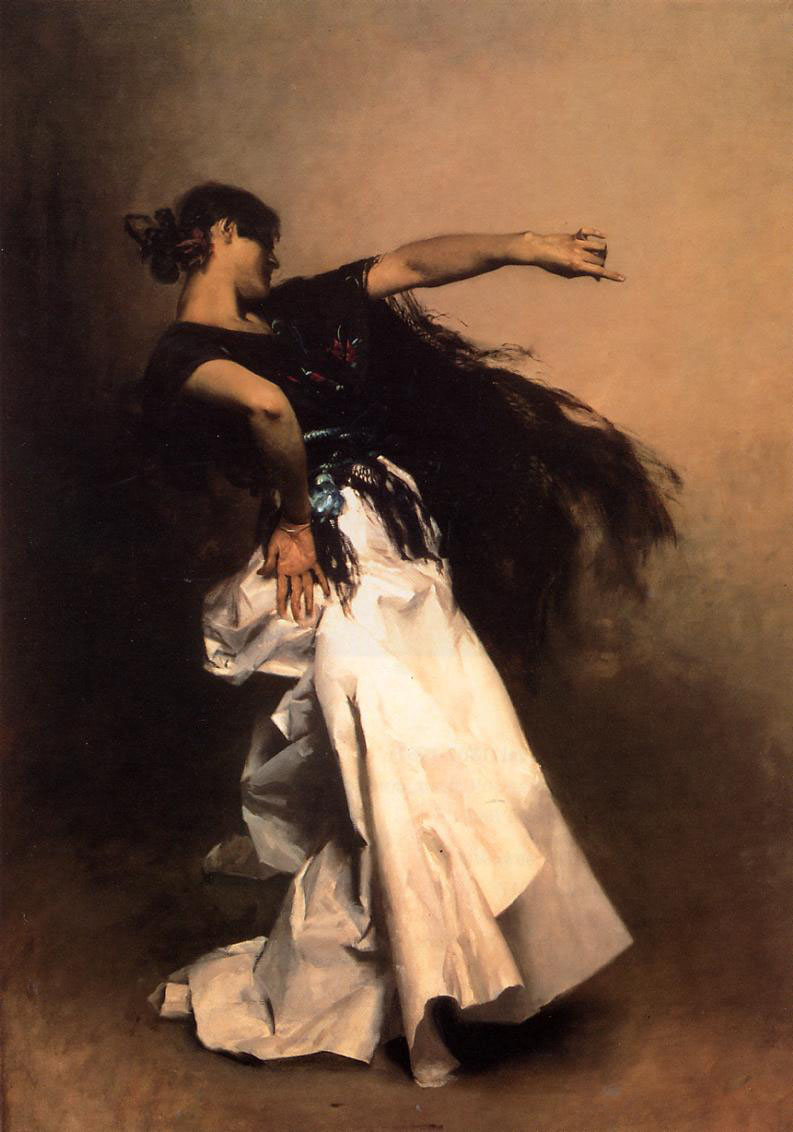 🇪🇸 SpainFlamenco
A dramatic dance and music tradition rooted in Andalusia's gitano and folk culturesFolk dance · Solo · Group
🇪🇸 SpainFlamenco
A dramatic dance and music tradition rooted in Andalusia's gitano and folk culturesFolk dance · Solo · Group
 🇪🇸 Spain and 4 moreFandango
A lively Spanish partner dance in triple meter, accompanied by guitars and castanets.Folk dance · Couple · Group
🇪🇸 Spain and 4 moreFandango
A lively Spanish partner dance in triple meter, accompanied by guitars and castanets.Folk dance · Couple · Group
 🇬🇷 Greece and 5 moreCircle dance
A group dance in a circle or curved line, joined by hand and led around the floorFolk dance · Circle · Line or chain
🇬🇷 Greece and 5 moreCircle dance
A group dance in a circle or curved line, joined by hand and led around the floorFolk dance · Circle · Line or chain
 🇮🇳 India and 2 moreGiddhaਗਿੱਧਾ
A Punjabi women's folk dance in a singing, clapping circleFolk dance · Circle
🇮🇳 India and 2 moreGiddhaਗਿੱਧਾ
A Punjabi women's folk dance in a singing, clapping circleFolk dance · Circle