
Mopacho
A full-body urban dance from Brazzaville that uses rhythmic isolation to express personal control.
Mopacho is a Congolese street dance created in Brazzaville in 1990 by Sixte Singha. It gained global fame in the early 2020s through social media challenges and music videos, becoming a symbol of youth culture across Africa.
Watch it dancedShare on WhatsApp
- Created in 1990 by Sixte Singha in Brazzaville.
- Gained global fame via TikTok challenges in 2022.
- Name means 'me step show' in local lexicon.
- National competition held in December 2022.
- Featured in music videos by artists like Fally Ipupa.
What is Mopacho?
Mopacho is a dynamic dance form born in the Republic of the Congo. It involves moving every part of the body in sync with the beat. Dancers isolate their head, shoulders, hips, and limbs to create fluid patterns. The style allows for individual expression while following a core set of rhythmic rules. It is popular among young people in cities like Brazzaville and Kinshasa.
Where does Mopacho come from?
Sixte Singha, also known as Zgala Mboyo, created mopacho in 1990 in Ouenzé, an arrondissement of Brazzaville. He drew inspiration from traditional dances of the Mbochi people. The name combines words meaning 'me', 'step', and 'show'. Singha intended it as an accessible dance for those who felt they lacked skill. It evolved from a personal style into a collective urban tradition.
How is Mopacho danced?
The dance begins with alternating foot steps that advance and retreat. As the music builds, dancers raise their shoulders and cross their arms in an X shape. Hands remain open while hips rotate gently and the pelvis lowers. The head moves side to side, linking upper and lower body motions. This creates a continuous flow of energy across the entire frame.
Mopacho, drawn
The music of Mopacho
Performers move to Congolese instrumental tracks, often ndombolo or coupé-décalé styles. Ndombolo features driving guitar sections called sébène. Coupé-décalé adds piano and guitar riffs. The rhythm dictates the speed and intensity of the movements. Occasionally, Ivorian tunes are used, showing the dance's adaptability to different beats.
Costume and what is carried
Dancers wear casual street clothes suitable for vigorous movement. There are no specific masks or traditional garments required. The focus remains on physical coordination and facial expression. Makeup is not a standard element of the performance.


When and where Mopacho is danced
Mopacho is danced in bars, nightclubs, and at cultural festivals. It became widely known through TikTok challenges starting in 2022. A national competition was held in Brazzaville in late 2022 to celebrate the dance. Performances occur during vigils and social gatherings, reflecting its role in community life.
Styles of Mopacho
The dance style varies slightly between regions. Dancers incorporate local gestures based on their home departments. Urban youth in Kinshasa and Brazzaville have adapted the moves to fit modern music videos. Artists like Fally Ipupa and DJ Afara Tsena Fukuchima helped spread these variations globally.
What Mopacho means
Mopacho represents contemporary Congolese identity and creativity. It gained official recognition through a national competition organized by the Ministry of Cultural Industry. The dance symbolizes self-expression and control. Its viral success on social media connected African youth across continents.
Questions people ask about Mopacho
Where did mopacho originate?
It originated in Ouenzé, an arrondissement of Brazzaville in the Republic of the Congo, created by Sixte Singha in 1990.
What does the name mopacho mean?
The term combines mo (me), pa (step), and cho (show), translating to expressing oneself through controlled movement.
How did mopacho become famous?
It went viral on TikTok in 2022 after DJ Afara Tsena Fukuchima released Afro Mbokalisation, inspiring global dance challenges.
Who performs mopacho?
Anyone can dance it, but it is particularly popular among youth in Brazzaville and Kinshasa as a form of social expression.
Is there a formal competition for mopacho?
Yes, the Ministry of Cultural Industry held a national competition in Brazzaville from December 2022 to January 2023.
Good reading and sources
- Mopacho on WikipediaEncyclopedia
- Wikidata recordOpen data
- Videos of Mopacho on YouTubeSearch results, not chosen by Ghungroo
The facts on this page come from the Wikipedia article "Mopacho", written by its contributors and used under the CC BY-SA 4.0 licence, and from its Wikidata record (CC0). Ghungroo rewrote the text in its own words, with AI assistance, and compares every page with the article to make sure no passage is copied. It may be reused under the same CC BY-SA 4.0 licence with a link back.
It may contain mistakes, and it describes the dance in outline: it is not a lesson. Traditions differ from one teacher, village or family to the next. If something is wrong, tell us. Last refreshed 2026-10-04.
More from the Republic of the Congo
All the dances of the Republic of the Congo 🇨🇩 Democratic Republic of the Congo and 2 moreSoukous
A fast-paced Congolese dance music style with intricate guitar work and energetic movement.Social dance
🇨🇩 Democratic Republic of the Congo and 2 moreSoukous
A fast-paced Congolese dance music style with intricate guitar work and energetic movement.Social dance
 🇨🇩 Democratic Republic of the Congo and 5 moreNdombolo
A Congolese social dance of rapid hip rotations and animated gesturesSocial dance · Solo · Couple
🇨🇩 Democratic Republic of the Congo and 5 moreNdombolo
A Congolese social dance of rapid hip rotations and animated gesturesSocial dance · Solo · Couple
Its cousins elsewhere
All folk dances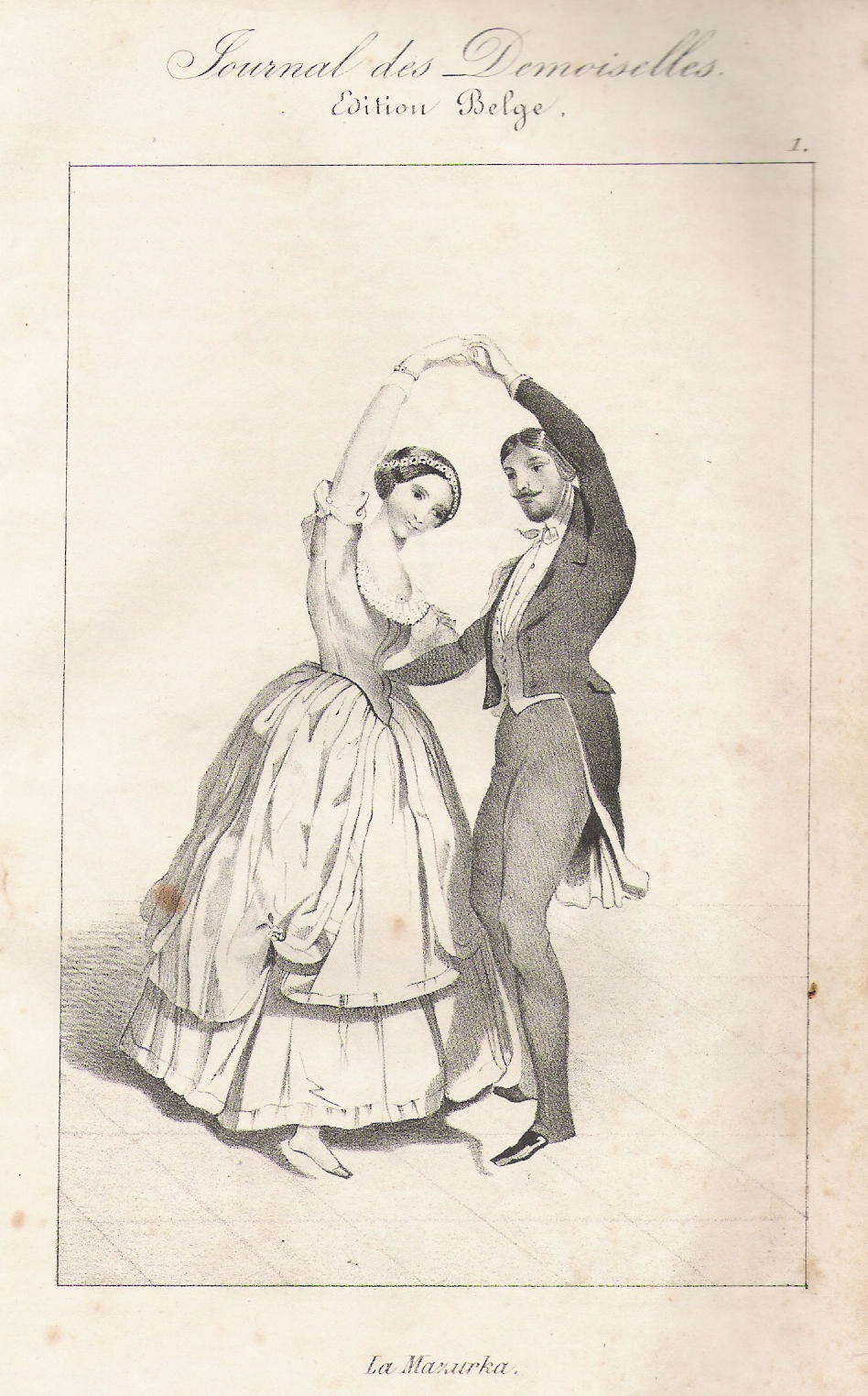 🇵🇱 Poland and 5 moreMazurka
A lively Polish folk dance in triple time, known for its shifting accentsFolk dance · Couple · Group
🇵🇱 Poland and 5 moreMazurka
A lively Polish folk dance in triple time, known for its shifting accentsFolk dance · Couple · Group
 🇺🇸 United States and 2 moreContra dance
A social line dance for pairs, led by a caller and set to live folk tunesFolk dance · Couple · Line or chain
🇺🇸 United States and 2 moreContra dance
A social line dance for pairs, led by a caller and set to live folk tunesFolk dance · Couple · Line or chain
 🇦🇷 Argentina and 1 moreChacarera
A partner dance with foot stomping and handkerchiefs from rural ArgentinaFolk dance · Couple · Group
🇦🇷 Argentina and 1 moreChacarera
A partner dance with foot stomping and handkerchiefs from rural ArgentinaFolk dance · Couple · Group
 🇨🇺 Cuba and 5 moreContradanzacontradanza criolla
A Cuban partner dance with African rhythms that influenced jazz and tangoFolk dance · Couple
🇨🇺 Cuba and 5 moreContradanzacontradanza criolla
A Cuban partner dance with African rhythms that influenced jazz and tangoFolk dance · Couple