
Nati
In its own language: नाटी
A group folk dance from Himachal Pradesh, danced in circles at festivals and celebrations
Nati is a folk dance from Himachal Pradesh, India, performed by groups at festivals, weddings, and other happy gatherings. Dancers form circles or semi-circles, moving with coordinated steps to drum and horn music, often wearing regional costumes. Both men and women now take part, and the dance is a feature of many local celebrations.
Watch it dancedShare on WhatsApp
- Nati is performed in circles or lines by large groups.
- Both men and women now dance Nati, though it was once mainly for men.
- The dance uses instruments like dhol, damau, and horns.
- Nati set a Guinness World Record with nearly 10,000 women dancing together.
- Regional styles include Kullvi, Sirmauri, and Kinnauri Nati.
What is Nati?
Nati is a group dance from Himachal Pradesh, India, where people join hands or move together in circles or lines. Both men and women take part, wearing local dress and sometimes holding props like a fly whisk or axe. The dance is marked by simple, repeated steps that match the rhythm of drums and horns. Songs often tell stories from folklore, and the group’s movements can be slow or quick, depending on the music. Nati is a familiar sight at festivals, weddings, and other joyful events.
Where does Nati come from?
Nati comes from the hill regions of Himachal Pradesh, with each area developing its own style. The dance has roots in local stories and religious traditions, drawing inspiration from tales like Raaslila and Chandravali. Over time, it spread from its home districts to other parts of India, especially as people from the hills moved to new areas. Today, Nati is a symbol of regional identity and is performed at many public gatherings, including large festivals.
How is Nati danced?
Dancers usually form a circle or semi-circle, sometimes arranging themselves in lines. They may hold hands in a criss-cross pattern or let their hands move freely, folding their palms in a figure-eight shape. Steps are coordinated and repeated, with a basic set of eight steps forming the foundation. The group is often led by a dancer carrying a fly whisk or axe. The tempo starts slow and builds as the music speeds up, and the arrangement of dancers can vary by region.
Nati, drawn
The music of Nati
The dance is accompanied by local percussion and wind instruments. Drums like the dhol and damau set the beat, while horns such as the karnal and narsingha add melody. The shehnai and nagara are also used. Musicians, called tunis, play songs that often recount old legends. The music’s pace influences how fast or slow the dancers move, and the songs are an important part of the performance.
Costume and what is carried
Traditional dress changes from district to district. Men wear woolen pants, long shirts, jackets, and caps decorated with flowers or seeds. In some areas, men add special headwear or swirling tunics. Women’s outfits include suit-salwar, jackets, headscarves, and jewelry, with each region having its own style. In Kullu, women wear a draped pattu and special ornaments, while in Shimla, a two-piece dress called rezta is common. Both men and women often tie a handkerchief to a finger and wear handmade footwear called pullas.

When and where Nati is danced
Nati is performed at many happy times, such as weddings, the birth of a child, harvests, and religious festivals like Dussehra and Diwali. It is open to anyone, and there is no set limit on the number of dancers. Sometimes, a sacred ritual called yagna is held at the end when the dance is part of a religious event. The dance is passed down through families and communities, and is now popular even outside the hills.
Styles of Nati
There are several regional forms of Nati, including Kullvi, Mahasuvi, Sirmauri, Kinnauri, Jaunpuri, Barada, and Bangani Nati. In Jaunsar-Bawar, the dance is sometimes called Tandi. Kinnauri Nati is known for its slow, mime-like movements. Each style has its own steps, hand arrangements, and costumes, reflecting the traditions of its area. The Lahaul district has a different dance called Garphi, not considered a type of Nati.
What Nati means
Nati is a source of pride for people from Himachal Pradesh and is closely linked to their identity. It has gained recognition for its scale, with thousands of dancers setting records for the largest folk dance. The dance is a regular feature at major festivals and public events, and its popularity has grown beyond its original region due to migration. Nati is also associated with Hindu religious practices and is an important part of local celebrations.
Days Nati is danced for
Questions people ask about Nati
Where does Nati come from?
Nati is from Himachal Pradesh, a region in northern India. It is especially popular in areas like Kullu, Mandi, Shimla, Sirmaur, Chamba, and Kinnaur.
When is Nati danced?
People dance Nati at festivals such as Dussehra and Diwali, as well as at weddings, harvests, and other joyful occasions.
Who can take part in Nati?
Both men and women participate in Nati today, though it was once mostly danced by men. There is no fixed number of dancers.
What music is used for Nati?
Nati is accompanied by drums like dhol and damau, along with horns such as karnal and narsingha, and sometimes the shehnai and nagara.
Are there different types of Nati?
Yes, there are several regional versions, including Kullvi, Mahasuvi, Sirmauri, Kinnauri, Jaunpuri, Barada, and Bangani Nati, each with its own style.
Good reading and sources
- Nati (dance) on WikipediaEncyclopedia
- More photos and video on Wikimedia CommonsPhotos and video
- Wikidata recordOpen data
- Videos of Nati on YouTubeSearch results, not chosen by Ghungroo
The facts on this page come from the Wikipedia article "Nati (dance)", written by its contributors and used under the CC BY-SA 4.0 licence, and from its Wikidata record (CC0). Ghungroo rewrote the text in its own words, with AI assistance, and compares every page with the article to make sure no passage is copied. It may be reused under the same CC BY-SA 4.0 licence with a link back.
It may contain mistakes, and it describes the dance in outline: it is not a lesson. Traditions differ from one teacher, village or family to the next. If something is wrong, tell us. Last refreshed 2026-10-03.
More from India
All the dances of India 🇮🇳 India and 1 moreFolk dance
Traditional group dances rooted in local life and passed down through generationsFolk dance · Group · Circle
🇮🇳 IndiaPaika akhada
A martial dance with swords and shields from Odisha, rooted in warrior trainingWar or martial dance · Group · Line or chain
🇮🇳 India and 1 moreFolk dance
Traditional group dances rooted in local life and passed down through generationsFolk dance · Group · Circle
🇮🇳 IndiaPaika akhada
A martial dance with swords and shields from Odisha, rooted in warrior trainingWar or martial dance · Group · Line or chain
 🇮🇳 IndiaDhunuchi nritya
A dance with incense burners during Durga Puja in BengalFolk dance · Solo · Group
🇮🇳 IndiaDhunuchi nritya
A dance with incense burners during Durga Puja in BengalFolk dance · Solo · Group
 🇮🇳 IndiaRamlilaरामलीला
A folk drama of the Ramayana, staged outdoors during Navaratri and DussehraFolk dance · Group · Procession
🇮🇳 IndiaRamlilaरामलीला
A folk drama of the Ramayana, staged outdoors during Navaratri and DussehraFolk dance · Group · Procession
Its cousins elsewhere
All folk dances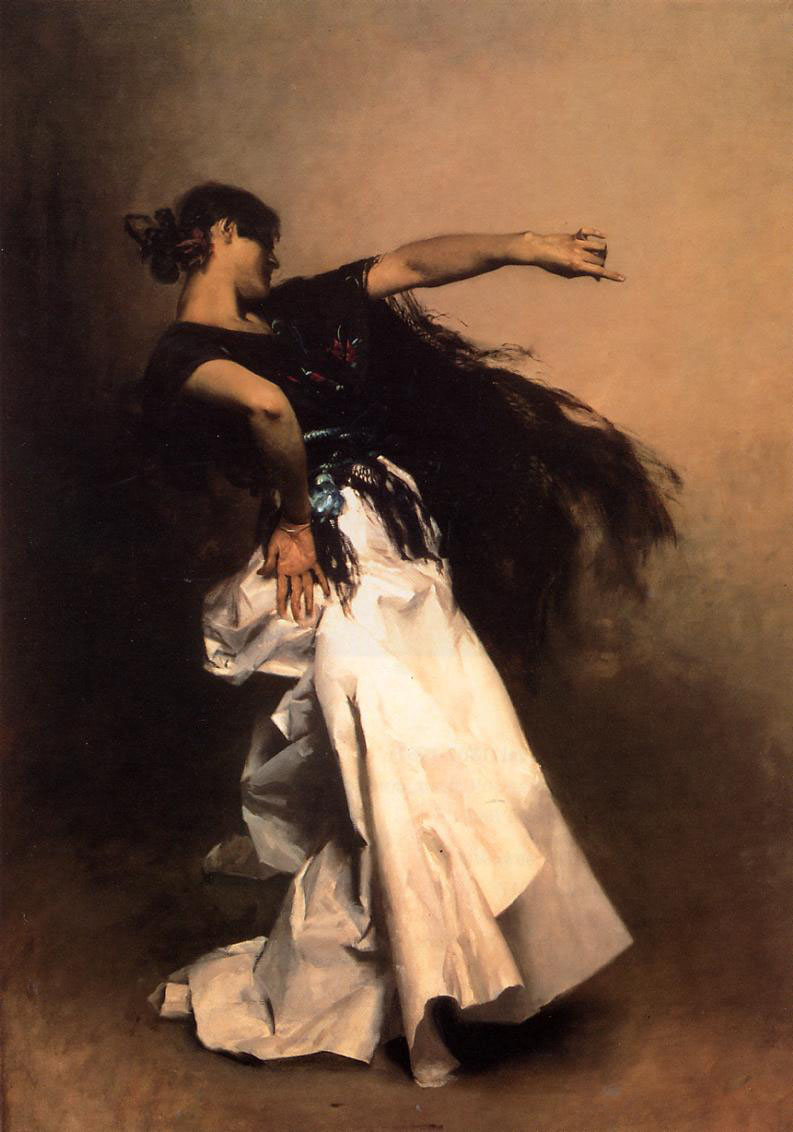 🇪🇸 SpainFlamenco
A dramatic dance and music tradition rooted in Andalusia's gitano and folk culturesFolk dance · Solo · Group
🇪🇸 SpainFlamenco
A dramatic dance and music tradition rooted in Andalusia's gitano and folk culturesFolk dance · Solo · Group
 🇦🇷 Argentina and 1 moreTango
A partner dance from the Río de la Plata, danced in close or open embraceSocial dance · Couple
🇦🇷 Argentina and 1 moreTango
A partner dance from the Río de la Plata, danced in close or open embraceSocial dance · Couple
 🇦🇹 Austria and 4 moreWaltz
A turning couple dance in triple time, first popular in 18th-century EuropeBallroom or Latin dance · Couple
🇦🇹 Austria and 4 moreWaltz
A turning couple dance in triple time, first popular in 18th-century EuropeBallroom or Latin dance · Couple
 🇧🇷 BrazilCapoeira
A Brazilian martial art that blends dance, acrobatics, and music in a circle gameWar or martial dance · Circle · Solo
🇧🇷 BrazilCapoeira
A Brazilian martial art that blends dance, acrobatics, and music in a circle gameWar or martial dance · Circle · Solo