
Quickstep
A lively ballroom dance with fast steps and syncopated rhythms
Quickstep is a fast-paced ballroom dance that grew out of early 20th-century England. Dancers move with light, flowing steps to upbeat music in 4/4 time, often using syncopation and energetic patterns. It is performed at both formal competitions and social gatherings, and is known for its dynamic movement across the floor.
Watch it dancedShare on WhatsApp
- Quickstep was standardized in England in 1927.
- It combines elements from foxtrot and Charleston.
- The dance uses syncopated steps and fast movement.
- It is performed to lively 4/4 music.
- Quickstep features in major ballroom competitions.
What is Quickstep?
Quickstep is a partner dance from the ballroom tradition, recognized for its speed and buoyant character. Couples glide and skip across the floor, using quick footwork and frequent syncopation. The dance is marked by a smooth, elegant look, yet requires a lot of energy and precision. It is a staple in ballroom competitions and is also enjoyed at social dance events.
Where does Quickstep come from?
Quickstep developed in England during the 1920s, blending elements from the foxtrot, Charleston, shag, peabody, and one-step. It was standardized as a distinct dance in 1927, separating from its foxtrot roots. The dance was shaped by the lively jazz music of the ragtime era, which encouraged brisk tempos and animated movement.
How is Quickstep danced?
The dance is performed by couples in a closed ballroom hold. Movements include chassés, where the feet come together, quarter turns, and lock steps. The style is light and graceful, with dancers often appearing to skim the floor. Advanced routines may include hops, runs, and rapid changes of direction, all while maintaining a smooth appearance.
Quickstep, drawn
The music of Quickstep
Quickstep is danced to lively music in 4/4 time, typically at 48 to 52 measures per minute. The rhythms are often syncopated, giving the dance its characteristic bounce and drive. The music originally came from ragtime and early jazz, which set a brisk pace for dancers.
When and where Quickstep is danced
Quickstep is featured in ballroom dance competitions and is also danced at social events. While it is not part of the American Style competitive program, some social dance venues in the United States teach a simplified version. The dance is also seen on television dance shows.
Styles of Quickstep
There are minor differences between the main international syllabi (ISTD and IDTA), but the structure is largely consistent. Advanced dancers use more complex patterns and syncopated steps, while beginners start with basic figures like quarter turns and chassés.
What Quickstep means
Quickstep is an established part of the standard ballroom repertoire. It is regularly performed in dance competitions and has gained broader recognition through popular TV shows. Its energetic style and technical demands make it a favorite among both dancers and audiences.
Questions people ask about Quickstep
Where did quickstep come from?
Quickstep originated in England in the 1920s, developing from dances like the foxtrot, Charleston, and others.
When is quickstep usually danced?
Quickstep is performed at ballroom dance competitions and social dance events, and is also seen on television dance shows.
What music is used for quickstep?
The dance is set to fast-paced music in 4/4 time, often with syncopated rhythms, originally influenced by ragtime and jazz.
Who dances quickstep?
Quickstep is danced in couples, with both men and women participating together in competitions and social settings.
What makes quickstep different from foxtrot?
Although it started from the foxtrot, quickstep is now a separate dance, known for its brisk tempo, syncopation, and energetic movement.
Good reading and sources
- Quickstep on WikipediaEncyclopedia
- Wikidata recordOpen data
- Videos of Quickstep on YouTubeSearch results, not chosen by Ghungroo
The facts on this page come from the Wikipedia article "Quickstep", written by its contributors and used under the CC BY-SA 4.0 licence, and from its Wikidata record (CC0). Ghungroo rewrote the text in its own words, with AI assistance, and compares every page with the article to make sure no passage is copied. It may be reused under the same CC BY-SA 4.0 licence with a link back.
It may contain mistakes, and it describes the dance in outline: it is not a lesson. Traditions differ from one teacher, village or family to the next. If something is wrong, tell us. Last refreshed 2026-10-03.
More from the United Kingdom
All the dances of the United Kingdom 🇬🇧 United Kingdom and 5 moreBallroom dance
Partner dances performed socially and in competition, with roots in EuropeSocial dance · Couple · Group
🇬🇧 United Kingdom and 5 moreBallroom dance
Partner dances performed socially and in competition, with roots in EuropeSocial dance · Couple · Group
 🇺🇸 United States and 1 moreJive
A lively partner dance from 1930s African American communities in the USSocial dance · Couple
🇺🇸 United States and 1 moreJive
A lively partner dance from 1930s African American communities in the USSocial dance · Couple
 🇫🇷 France and 4 moreGalop
A fast-paced ballroom dance in 2/4 time, often closing the nightBallroom or Latin dance · Couple
🇫🇷 France and 4 moreGalop
A fast-paced ballroom dance in 2/4 time, often closing the nightBallroom or Latin dance · Couple
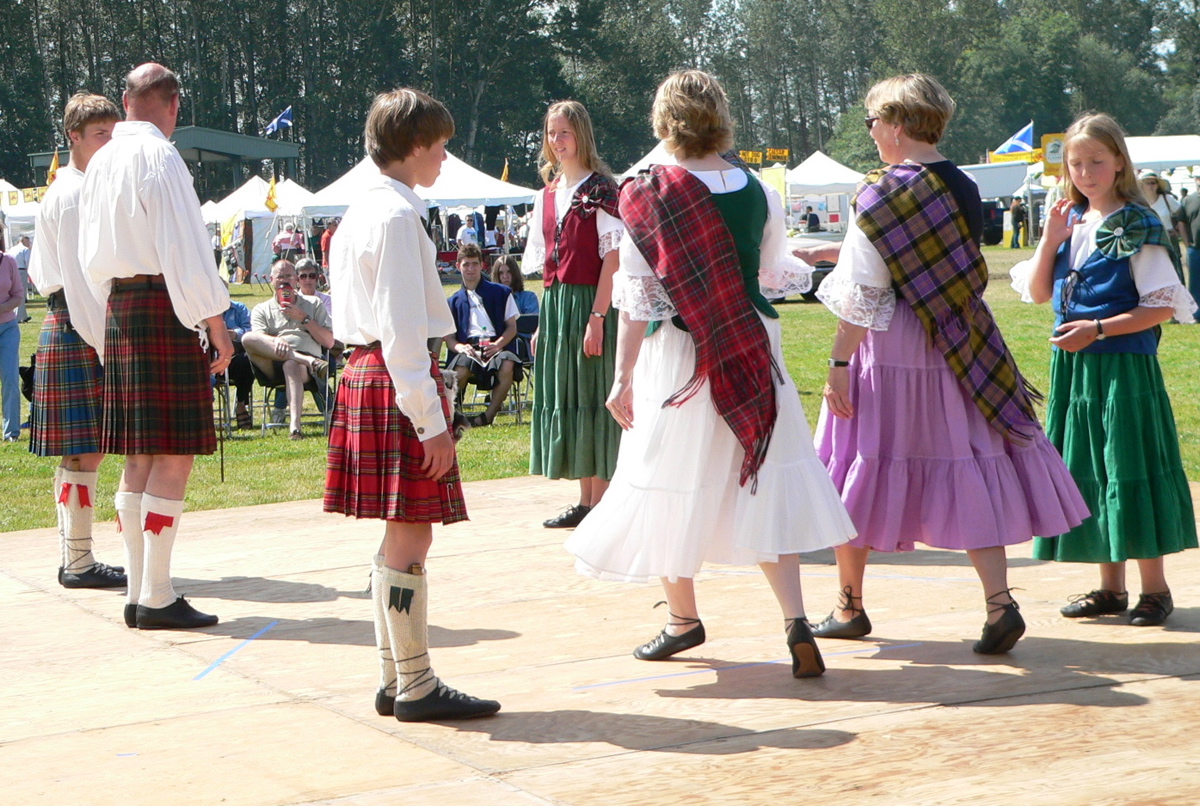 🇬🇧 United Kingdom and 5 moreScottish country dance
A social dance for sets of couples, using Scottish steps and figuresFolk dance · Set or square · Line or chain
🇬🇧 United Kingdom and 5 moreScottish country dance
A social dance for sets of couples, using Scottish steps and figuresFolk dance · Set or square · Line or chain
Its cousins elsewhere
All ballroom and latin 🇦🇷 Argentina and 1 moreTango
A partner dance from the Río de la Plata, danced in close or open embraceSocial dance · Couple
🇺🇸 United StatesFoxtrot
A smooth ballroom partner dance that travels around the floor to big band musicBallroom or Latin dance · Couple
🇦🇷 Argentina and 1 moreTango
A partner dance from the Río de la Plata, danced in close or open embraceSocial dance · Couple
🇺🇸 United StatesFoxtrot
A smooth ballroom partner dance that travels around the floor to big band musicBallroom or Latin dance · Couple
 🇨🇺 Cuba and 2 moreCha-cha-cha
A Cuban partner dance with a shuffling triple step, danced to a steady four-four beat.Social dance · Couple
🇨🇺 Cuba and 2 moreCha-cha-cha
A Cuban partner dance with a shuffling triple step, danced to a steady four-four beat.Social dance · Couple
 🇨🇺 Cuba and 2 moreMambo
A lively Cuban dance with syncopated steps and expressive movementSocial dance · Couple · Group
🇨🇺 Cuba and 2 moreMambo
A lively Cuban dance with syncopated steps and expressive movementSocial dance · Couple · Group