
Cha-cha-cha
A Cuban partner dance with a shuffling triple step, danced to a steady four-four beat.
The cha-cha-cha is a lively Latin partner dance that originated in Cuba during the early 1950s. It was created by composer Enrique Jorrín from the danzón-mambo rhythm and quickly spread from Havana to Mexico City, the United States, and Western Europe. Couples perform a distinctive three-step pattern followed by two quick steps on a dance floor.
Watch it dancedShare on WhatsApp
- Created by Enrique Jorrín in Havana in the early 1950s.
- Derived from the danzón-mambo with simpler rhythms.
- Name comes from the sound of the quick shuffling steps.
- Spread from Cuba to Mexico, the US, and Europe by 1955.
- Standardized tempo for competitions is 30-32 bars per minute.
What is Cha-cha-cha?
The cha-cha-cha is a social and competitive partner dance known for its crisp, rhythmic footwork. Dancers move together in a close hold, executing a pattern of three slow steps followed by two quick, shuffling steps. The name comes from the sound made by the feet during these quick steps. It is a staple of Latin ballroom dancing and is performed globally in both social clubs and formal competitions.
Where does Cha-cha-cha come from?
Enrique Jorrín, a violinist and composer in Havana, developed the dance in the early 1950s while working with Orquesta América. He simplified the complex syncopation of the danzón-mambo to make it easier for dancers. When his band played at the Silver Star Club, dancers improvised a triple step that created the signature 'cha-cha' sound. The style became a craze in Havana, spreading to Mexico City by 1953 and reaching international popularity by 1955.
How is Cha-cha-cha danced?
Dancers follow a basic count of one, two, three, cha-cha. In the International Latin style, the leader steps forward on the second beat, keeping the right knee bent. The fourth beat splits into two quick steps called a chassé. Partners mirror each other's movements over two musical bars. The dance features distinct hip action, achieved by straightening the weighted leg and bending the free leg, creating a natural sway without rising or falling.
Cha-cha-cha, drawn
The music of Cha-cha-cha
The music is energetic and set in a steady 4/4 time signature. It evolved from the danzón-mambo but features a stronger melody on the first downbeat and less syncopation. Traditional accompaniment includes charanga orchestras with violins. In modern ballroom competitions, the tempo is strictly regulated at 30 to 32 bars per minute.
Costume and what is carried
Competitive dancers wear elaborate costumes designed for movement and visual impact. Women often wear dresses with fringe or sequins that accentuate hip motion, while men wear tailored shirts and trousers. Social dancers typically wear comfortable clothing suitable for partner work. No specific masks or props are used; the focus is on body mechanics and connection.


When and where Cha-cha-cha is danced
The dance is primarily performed in social dance halls, nightclubs, and ballroom competition venues. It began in Havana's dance halls and quickly became popular across Latin America, the United States, and Western Europe. It is taught as a standard part of Latin ballroom curricula worldwide, with variations between American Rhythm and International Latin styles.
Styles of Cha-cha-cha
Two main styles exist: International Latin and American Rhythm. International Latin emphasizes compact steps, straight legs on weight, and sharp hip action, standardized by bodies like the World Dance Council. American Rhythm allows for more knee bending and a different counting structure. A common error among social dancers is shifting the timing to 'one, two, cha-cha-cha,' which alters the intended rhythm.
What Cha-cha-cha means
The cha-cha-cha is one of the five official dances in the Latin American program of international ballroom competitions. Its creation marked a shift toward more accessible Cuban rhythms. The dance reflects the cultural exchange between Cuban musicians and dancers, influencing global ballroom standards. It remains a popular social dance and a key component of competitive dance sport.
Questions people ask about Cha-cha-cha
Where did the cha-cha-cha originate?
It originated in Cuba in the early 1950s, created by composer Enrique Jorrín in Havana. He developed it from the danzón-mambo to be easier for dancers to follow.
What does the name cha-cha-cha mean?
The name is an onomatopoeia representing the shuffling sound made by dancers' feet when they perform the two quick steps that characterize the dance.
How is the basic step counted?
The standard count is 'one, two, three, cha-cha.' This involves three single steps followed by two quick steps on the fourth and fifth beats of the music.
What instruments accompany the dance?
Traditional music features charanga orchestras, prominently including violins. Modern ballroom versions may use synthesized tracks or Latin pop arrangements.
Is it a solo or partner dance?
It is a partner dance. Couples dance together in a closed hold, coordinating their steps and hip movements to match the rhythm and each other.
Good reading and sources
- Cha-cha-cha (dance) on WikipediaEncyclopedia
- More photos and video on Wikimedia CommonsPhotos and video
- Wikidata recordOpen data
- Videos of Cha-cha-cha on YouTubeSearch results, not chosen by Ghungroo
The facts on this page come from the Wikipedia article "Cha-cha-cha (dance)", written by its contributors and used under the CC BY-SA 4.0 licence, and from its Wikidata record (CC0). Ghungroo rewrote the text in its own words, with AI assistance, and compares every page with the article to make sure no passage is copied. It may be reused under the same CC BY-SA 4.0 licence with a link back.
It may contain mistakes, and it describes the dance in outline: it is not a lesson. Traditions differ from one teacher, village or family to the next. If something is wrong, tell us. Last refreshed 2026-10-03.
More from Cuba
All the dances of Cuba 🇨🇺 Cuba and 2 moreSalsa
A lively partner dance with spins and footwork, danced to salsa music worldwideSocial dance · Couple · Solo
🇨🇺 Cuba and 2 moreSalsa
A lively partner dance with spins and footwork, danced to salsa music worldwideSocial dance · Couple · Solo
 🇨🇺 Cuba and 2 moreMambo
A lively Cuban dance with syncopated steps and expressive movementSocial dance · Couple · Group
🇨🇺 Cuba and 2 moreMambo
A lively Cuban dance with syncopated steps and expressive movementSocial dance · Couple · Group
 🇨🇺 CubaCuban rumba
A street and courtyard dance with song and drums from Havana and MatanzasFolk dance · Group
🇨🇺 Cuba and 1 moreRueda de Casino
A Cuban salsa dance in a circle, with moves called out and partners swappingSocial dance · Circle · Group
🇨🇺 CubaCuban rumba
A street and courtyard dance with song and drums from Havana and MatanzasFolk dance · Group
🇨🇺 Cuba and 1 moreRueda de Casino
A Cuban salsa dance in a circle, with moves called out and partners swappingSocial dance · Circle · Group
Its cousins elsewhere
All social dances 🇦🇷 Argentina and 1 moreArgentine tango
A partner dance from Buenos Aires suburbs, defined by the bandoneon and an intimate embrace.Social dance · Couple
🇦🇷 Argentina and 1 moreArgentine tango
A partner dance from Buenos Aires suburbs, defined by the bandoneon and an intimate embrace.Social dance · Couple
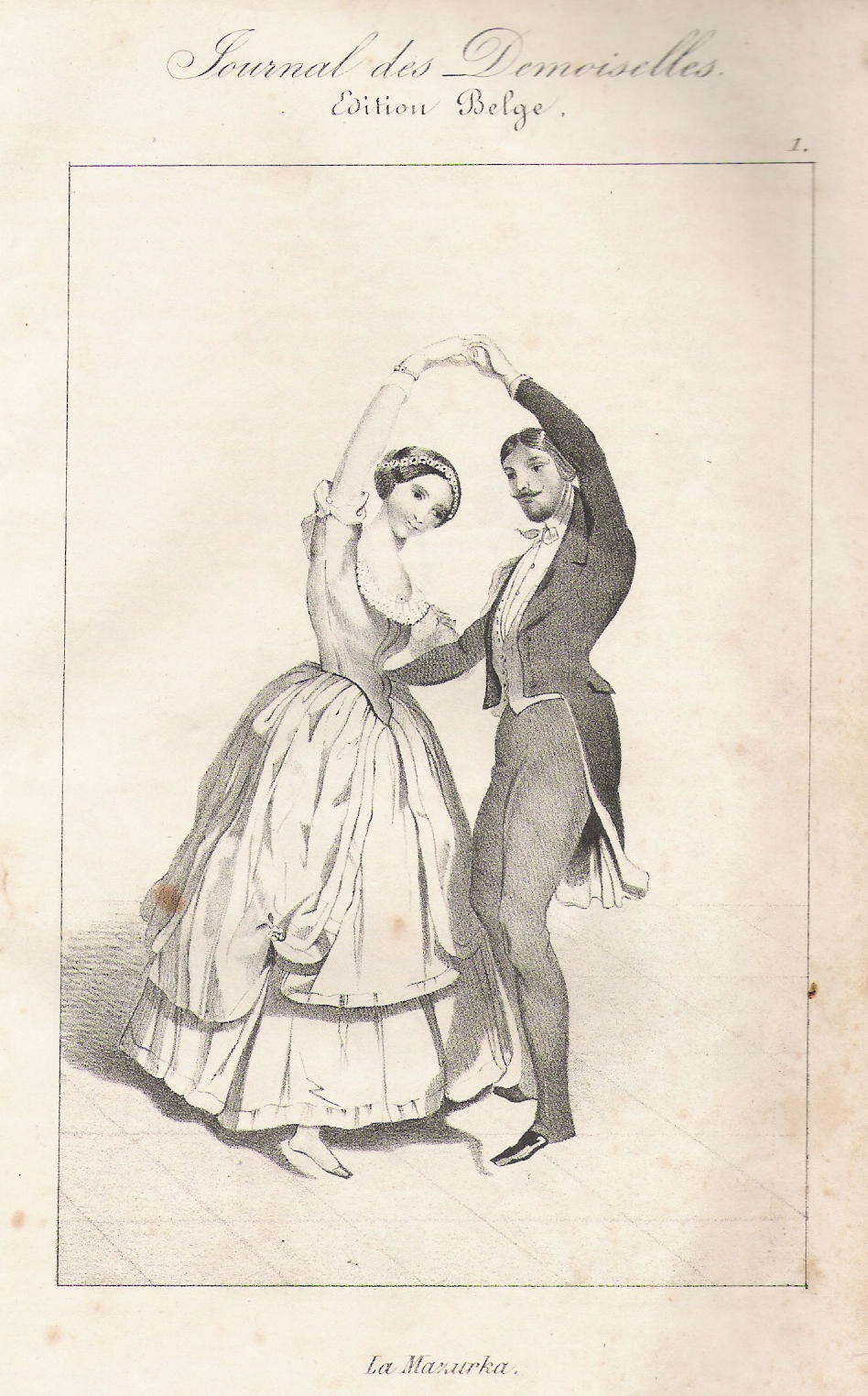 🇵🇱 Poland and 5 moreMazurka
A lively Polish folk dance in triple time, known for its shifting accentsFolk dance · Couple · Group
🇵🇱 Poland and 5 moreMazurka
A lively Polish folk dance in triple time, known for its shifting accentsFolk dance · Couple · Group
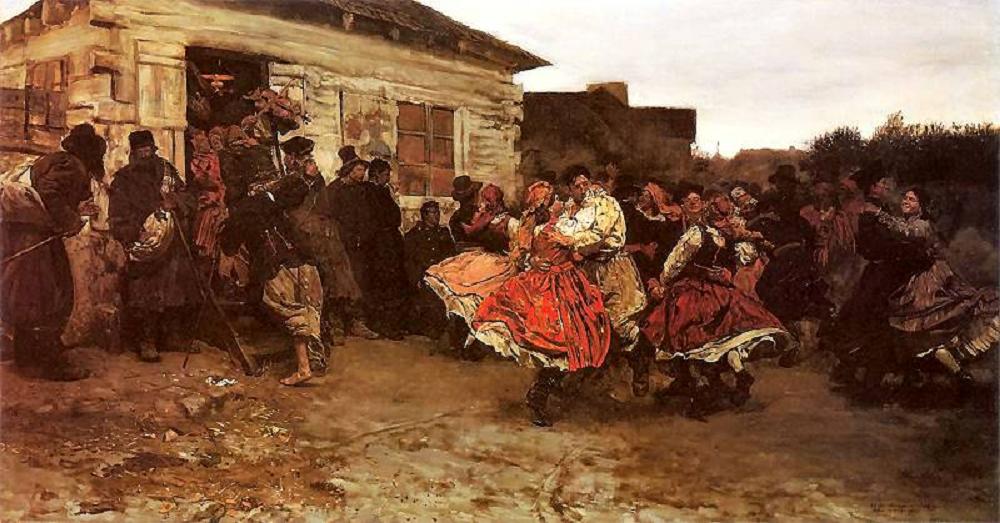 🇵🇱 Poland and 1 moreOberek
A fast Polish folk dance in triple metre, defined by spinning and jumps.Folk dance · Group
🇵🇱 Poland and 1 moreOberek
A fast Polish folk dance in triple metre, defined by spinning and jumps.Folk dance · Group
 🇫🇷 France and 3 moreBranle
A French chain dance of linked couples moving side to side, popular from the 1500s.Folk dance · Circle · Line or chain
🇫🇷 France and 3 moreBranle
A French chain dance of linked couples moving side to side, popular from the 1500s.Folk dance · Circle · Line or chain