Troika
A staged Russian dance where performers mimic horses pulling a sleigh.
This is a Russian concert folk dance that imitates the movement of a three-horse team. It was created in 1948 by Nadezhda Nadezhdina for her Beroyzka troupe and now appears in many Russian ensembles. Dancers perform in groups of three to show prancing horses.
Watch it dancedShare on WhatsApp
- Created in 1948 by Nadezhda Nadezhdina.
- Performed by the Beroyzka folklore troupe.
- Mimics a three-horse team pulling a sled.
- Features groups of three dancers.
- Standard in Russian ethnographic ensembles.
What is Troika?
Troika is a performance piece from Russia that draws on folk traditions. The name refers to a group of three horses harnessed together. Performers move to suggest animals pulling a carriage or sled. The choreography focuses on energetic, prancing steps. Groups usually consist of three dancers. This arrangement allows them to act out the teamwork of a horse team.
Where does Troika come from?
Nadezhda Nadezhdina invented this dance in 1948. She designed it for her folklore ensemble called Beroyzka. The work quickly became popular. Today, almost every Russian ethnographic dance group includes it in their shows. Similar dances exist among other Slavic cultures, such as the Polish Trojak. A Cajun version also shares the name. Some link that version to Cossacks stationed in Paris during the tsar era. A German triolet from 1829 also involved three dancers.
How is Troika danced?
Dancers imitate the actions of horses. They use their bodies to suggest prancing and pulling. The movements are lively and rhythmic. Originally, the dance featured one man and two women. Later versions changed this balance. You might see two men with one woman. Three women can also perform it. The trio formation helps create the visual effect of a connected team.
Troika, drawn
The music of Troika
The sources do not list specific instruments used for this dance. No musical details are provided in the text. We know it accompanies the performance but cannot describe the sound.
Costume and what is carried
No information exists about costumes in the source material. Details regarding dress, makeup, or props held by dancers are absent from the provided text.
When and where Troika is danced
This dance is performed on stage for audiences. It is part of the repertoire for Russian folk groups. It is not tied to a specific religious rite or harvest festival in the sources. It serves as entertainment within cultural presentations.
Styles of Troika
The original setup used one male and two female dancers. Choreographers later altered this pattern. New combinations include two men and one woman. Another variation features three women performing together. These changes allow different casting options while keeping the core theme.
What Troika means
The dance represents Russian folk heritage in a staged format. It has become a standard piece for cultural troupes. Its widespread adoption shows its importance in modern Russian performance art. It connects contemporary audiences with traditional imagery of rural life.
Questions people ask about Troika
Where did the Troika dance originate?
It originated in Russia. Nadezhda Nadezhdina created it in 1948 for her Beroyzka troupe. It draws on Russian folk traditions.
What does the name Troika mean?
The word means a three-horse team. Dancers use this concept to guide their movements. They pretend to be horses pulling a vehicle.
Who performs the Troika dance?
Groups of three dancers perform it. The original used one man and two women. Other versions feature different gender mixes.
Is there a similar dance in other cultures?
Yes. Poland has the Trojak. Cajun culture has a dance with the same name. A German triolet from 1829 also matches the format.
Good reading and sources
- Troika (dance) on WikipediaEncyclopedia
- Wikidata recordOpen data
- Videos of Troika on YouTubeSearch results, not chosen by Ghungroo
The facts on this page come from the Wikipedia article "Troika (dance)", written by its contributors and used under the CC BY-SA 4.0 licence, and from its Wikidata record (CC0). Ghungroo rewrote the text in its own words, with AI assistance, and compares every page with the article to make sure no passage is copied. It may be reused under the same CC BY-SA 4.0 licence with a link back.
It may contain mistakes, and it describes the dance in outline: it is not a lesson. Traditions differ from one teacher, village or family to the next. If something is wrong, tell us. Last refreshed 2026-10-03.
More from Russia
All the dances of Russia 🇮🇹 Italy and 2 moreBallet
A highly technical stage dance with its own steps and styles, shaped in France and RussiaClassical dance · Solo · Group
🇮🇹 Italy and 2 moreBallet
A highly technical stage dance with its own steps and styles, shaped in France and RussiaClassical dance · Solo · Group
 🇦🇹 Austria and 4 moreWaltz
A turning couple dance in triple time, first popular in 18th-century EuropeBallroom or Latin dance · Couple
🇦🇹 Austria and 4 moreWaltz
A turning couple dance in triple time, first popular in 18th-century EuropeBallroom or Latin dance · Couple
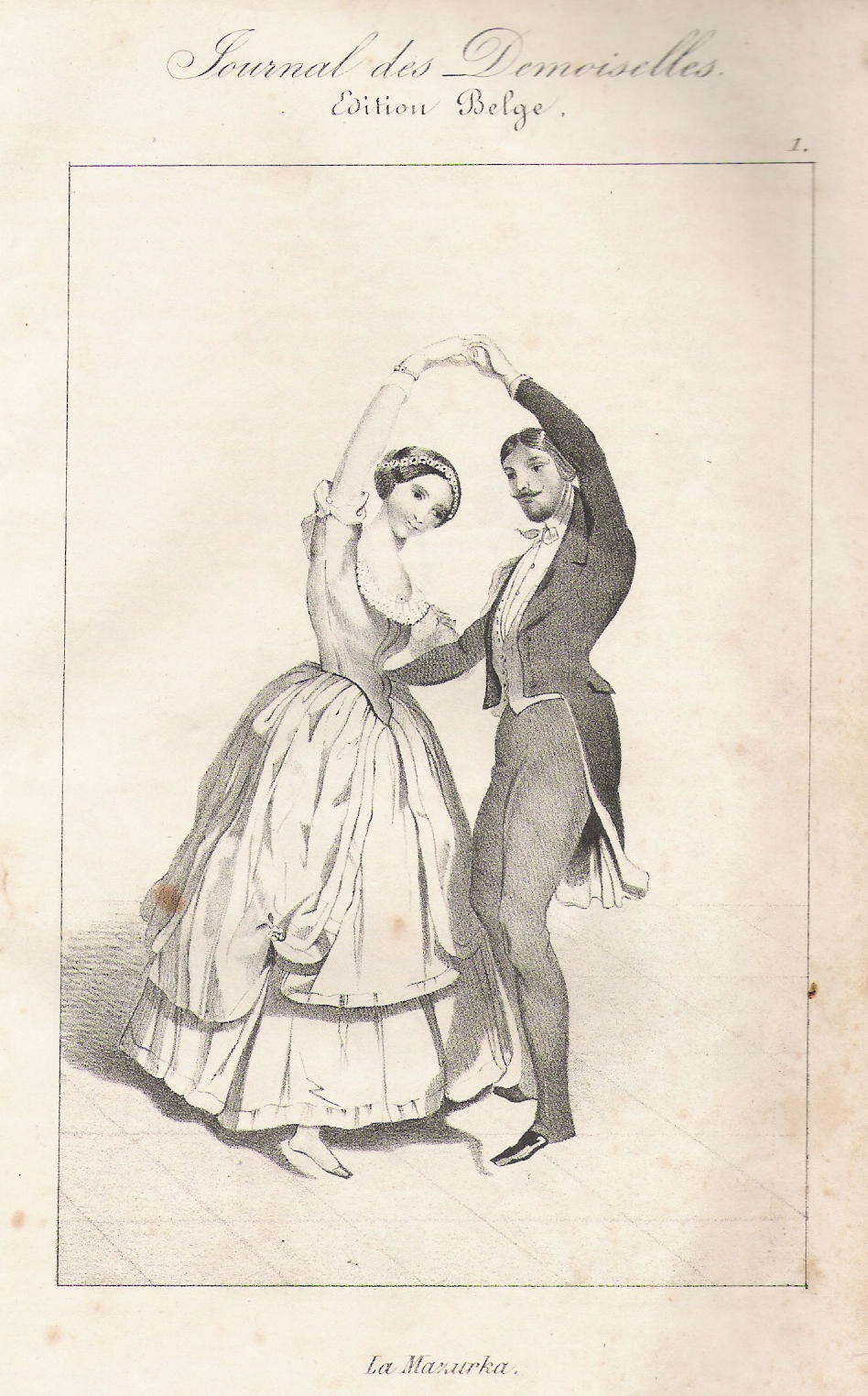 🇵🇱 Poland and 5 moreMazurka
A lively Polish folk dance in triple time, known for its shifting accentsFolk dance · Couple · Group
🇵🇱 Poland and 5 moreMazurka
A lively Polish folk dance in triple time, known for its shifting accentsFolk dance · Couple · Group
 🇷🇺 Russia and 1 moreLezginka
A fast-paced folk dance from the North Caucasus, performed solo or in pairsFolk dance · Solo · Couple
🇷🇺 Russia and 1 moreLezginka
A fast-paced folk dance from the North Caucasus, performed solo or in pairsFolk dance · Solo · Couple
Its cousins elsewhere
All ballet and concert dance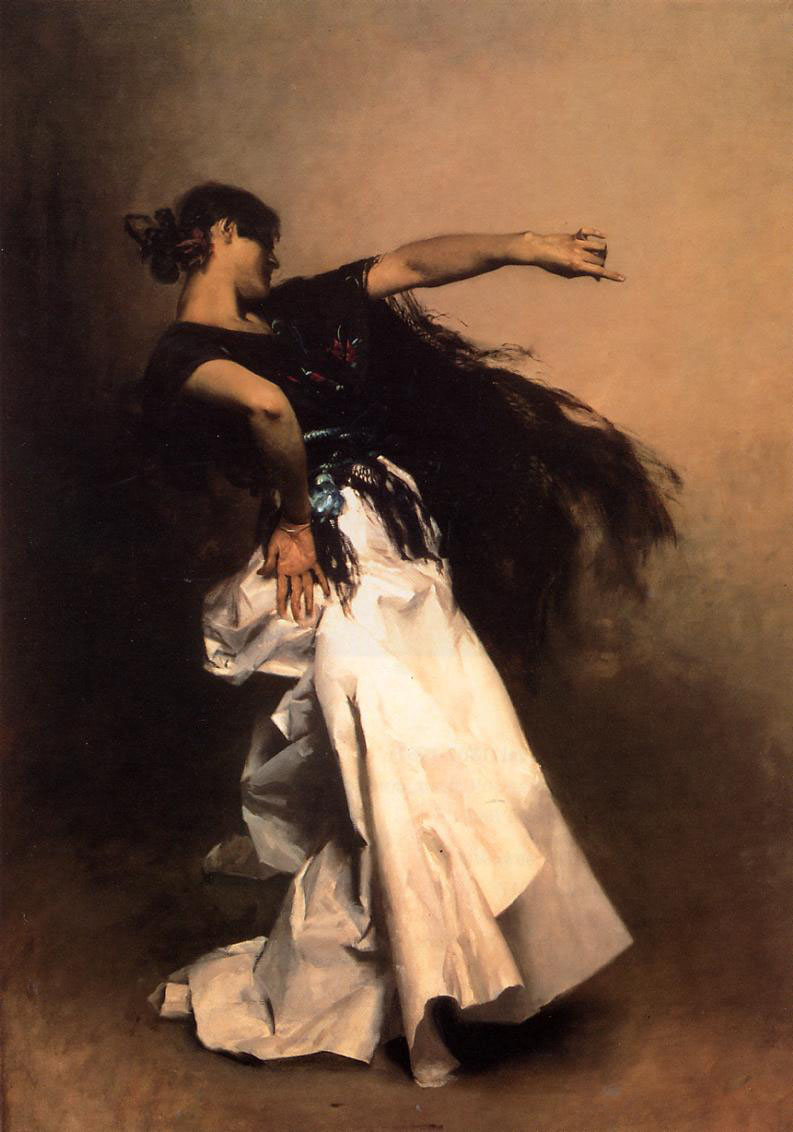 🇪🇸 SpainFlamenco
A dramatic dance and music tradition rooted in Andalusia's gitano and folk culturesFolk dance · Solo · Group
🇪🇸 SpainFlamenco
A dramatic dance and music tradition rooted in Andalusia's gitano and folk culturesFolk dance · Solo · Group
 🇦🇷 Argentina and 1 moreArgentine tango
A partner dance from Buenos Aires suburbs, defined by the bandoneon and an intimate embrace.Social dance · Couple
🇦🇷 Argentina and 1 moreArgentine tango
A partner dance from Buenos Aires suburbs, defined by the bandoneon and an intimate embrace.Social dance · Couple
 🇺🇸 United StatesTap dance
A percussive dance using metal-soled shoes to create rhythms on the floorFolk dance · Solo · Group
🇺🇸 United StatesTap dance
A percussive dance using metal-soled shoes to create rhythms on the floorFolk dance · Solo · Group
 🇺🇦 UkraineHopakГопак
A lively Ukrainian folk dance known for jumps and acrobatic movesFolk dance · Solo · Couple
🇺🇦 UkraineHopakГопак
A lively Ukrainian folk dance known for jumps and acrobatic movesFolk dance · Solo · Couple