Xuc
A lively couple dance from El Salvador in 2/4 time.
Xuc is a musical genre and folk dance created in Cojutepeque, El Salvador, in 1942. It is performed to upbeat rhythms featuring brass instruments and is traditionally danced by couples in social or festival settings.
Watch it dancedShare on WhatsApp
- Created in Cojutepeque, El Salvador, in 1942.
- Popularized by Francisco Palaviccini.
- Danced in 2/4 time signature.
- Features sackbuts, drums, and saxophones.
- Choreography developed in 1958.
What is Xuc?
Xuc is a traditional folk dance and music style from El Salvador. It emerged in the 1940s as a lively expression of local culture. The dance involves energetic movements performed by men and women together. It is characterized by its fast tempo and rhythmic structure. The music drives the dancers through specific steps that emphasize joy and interaction between partners.
Where does Xuc come from?
The dance was created in 1942 in Cojutepeque, located in the Cuscatlán department. Francisco Palaviccini, known as Paquito, popularized the genre. He composed the famous song "Adentro Cojutepeque" to honor sugar cane festivals. The name comes from a wind instrument called juco, which makes a "xuc" sound. The first choreography was developed later in 1958.
How is Xuc danced?
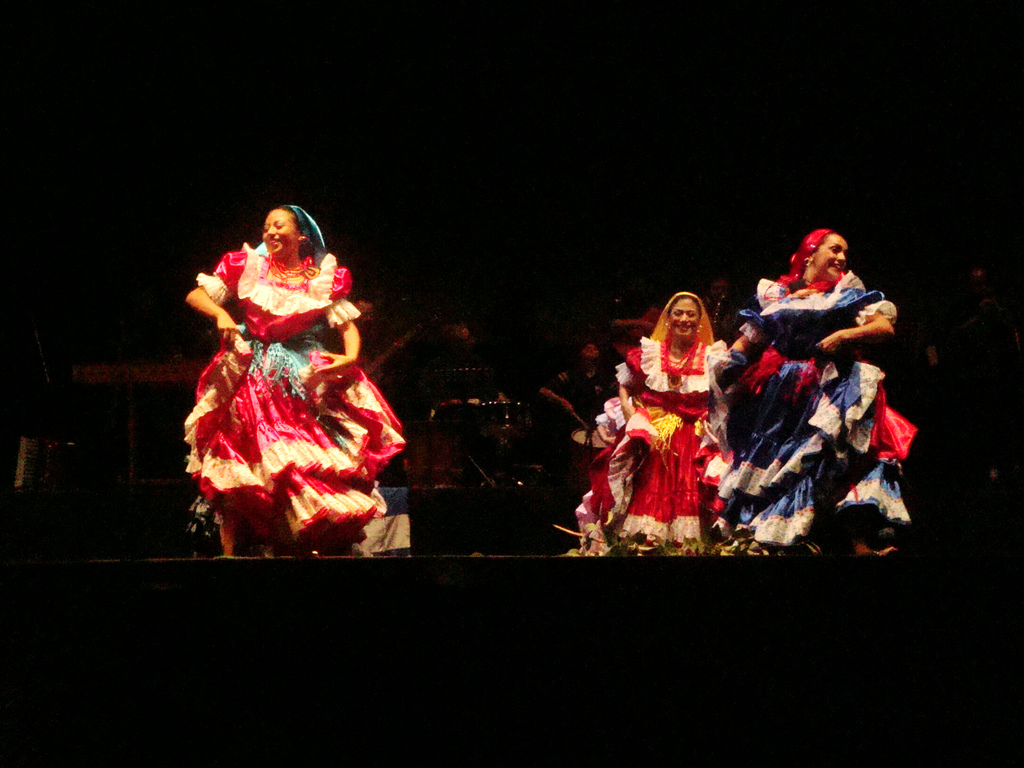
Dancers perform heel-toe-heel positions with small jumps. They move their feet back and forth in crossed patterns while taking short distance jumps. Women often move their skirts and heads to match the step direction. Men typically keep their hands in their front pockets. Couples hold hands with stretched arms, making wheels while advancing and flirting to the beat.
Xuc, drawn
The music of Xuc
The rhythm is usually composed in 2/4 time. It features a mix of indigenous, African, Spanish, and Cuban influences. Instruments include sackbuts, drums, saxophones, and clarinets. The music is upbeat and designed for dancing. Early recordings were released by Orquesta Internacional Polío under Palaviccini's direction.
Costume and what is carried
Women wear typical suits with skirts that accentuate their foot movements. The skirts are often regular and flow with the dance. Men wear pants made of cotton or ixtle fabric. These pants have front pockets where dancers place their hands during the performance. The attire reflects traditional Salvadoran clothing styles.
When and where Xuc is danced
The dance is performed at social gatherings and festivals. It gained prominence during the San Miguel Carnival patron saint festivities. The choreography was staged within this framework. It remains a symbol of Salvadoran identity, with efforts ongoing to declare it cultural heritage.
Styles of Xuc
The original style was established by Palaviccini and his orchestra. The choreography was initially staged by a dancer from the Morena Celarie group. While the core steps remain consistent, regional interpretations may vary slightly. The genre has inspired various emblematic songs celebrating different Salvadoran towns.
What Xuc means
Xuc represents a fusion of diverse cultural influences in El Salvador. It honors local traditions like sugar cane festivals. A request to declare it Cultural Heritage was submitted in 2019. The dance serves as a marker of national identity and community celebration. It continues to be performed in folkloric ballets and public events.
Questions people ask about Xuc
Where did Xuc originate?
Xuc originated in Cojutepeque, El Salvador, in 1942. It was created by Francisco Palaviccini to honor sugar cane festivals.
What instruments play Xuc music?
Xuc music uses sackbuts, drums, saxophones, and clarinets. These instruments create the upbeat 2/4 rhythm essential for the dance.
How do dancers move in Xuc?
Dancers perform heel-toe steps with small jumps. Couples hold hands, make wheels, and advance while flirting to the fast rhythm.
When is Xuc typically danced?
It is danced at festivals like the San Miguel Carnival and social gatherings. It celebrates local traditions and community spirit.
Good reading and sources
- Xuc on WikipediaEncyclopedia
- Wikidata recordOpen data
- Videos of Xuc on YouTubeSearch results, not chosen by Ghungroo
The facts on this page come from the Wikipedia article "Xuc", written by its contributors and used under the CC BY-SA 4.0 licence, and from its Wikidata record (CC0). Ghungroo rewrote the text in its own words, with AI assistance, and compares every page with the article to make sure no passage is copied. It may be reused under the same CC BY-SA 4.0 licence with a link back.
It may contain mistakes, and it describes the dance in outline: it is not a lesson. Traditions differ from one teacher, village or family to the next. If something is wrong, tell us. Last refreshed 2026-10-04.
Its cousins elsewhere
All folk dances 🇨🇿 Czech Republic and 5 morePolka
A lively partner dance in 2/4 time from 19th-century BohemiaFolk dance · Couple · Circle
🇮🇳 IndiaPaika akhada
A martial dance with swords and shields from Odisha, rooted in warrior trainingWar or martial dance · Group · Line or chain
🇨🇿 Czech Republic and 5 morePolka
A lively partner dance in 2/4 time from 19th-century BohemiaFolk dance · Couple · Circle
🇮🇳 IndiaPaika akhada
A martial dance with swords and shields from Odisha, rooted in warrior trainingWar or martial dance · Group · Line or chain
 🇵🇭 PhilippinesDinagyang Festival
A street dance festival in Iloilo City honoring the Santo Niño and Ati historyFolk dance · Group · Procession
🇵🇭 PhilippinesDinagyang Festival
A street dance festival in Iloilo City honoring the Santo Niño and Ati historyFolk dance · Group · Procession
 🇧🇪 Belgium and 5 moreProcessional giant
Huge costumed figures carried and danced in European street processionsFolk dance · Solo · Procession
🇧🇪 Belgium and 5 moreProcessional giant
Huge costumed figures carried and danced in European street processionsFolk dance · Solo · Procession